Television’s most infamous series finale was a betrayal of its fans, and its premise remains controversial 37 years later. The TV show paved the way for some of the best medical dramas, creating a formula that has been emulated by series like Grey’s Anatomy,ER, and House. Beyond medical dramas, the series helped redefine what TV dramas could accomplish.
The show was groundbreaking for leaning into realism, dynamic character arcs, and refreshing storytelling. Filled with unusual literary devices for TV, such as serialized plots, flashbacks, and dream sequences, the NBC show constantly pushed the boundaries. That sentiment is exemplified by the series finale of St. Elsewhere, one of the most divisive TV twists of all time.
St. Elsewhere’s Controversial Twist Didn’t Sit Well With Viewers In 1988
St. Elsewhere’s Finale Is Widely Considered A Betrayal To Its Viewers
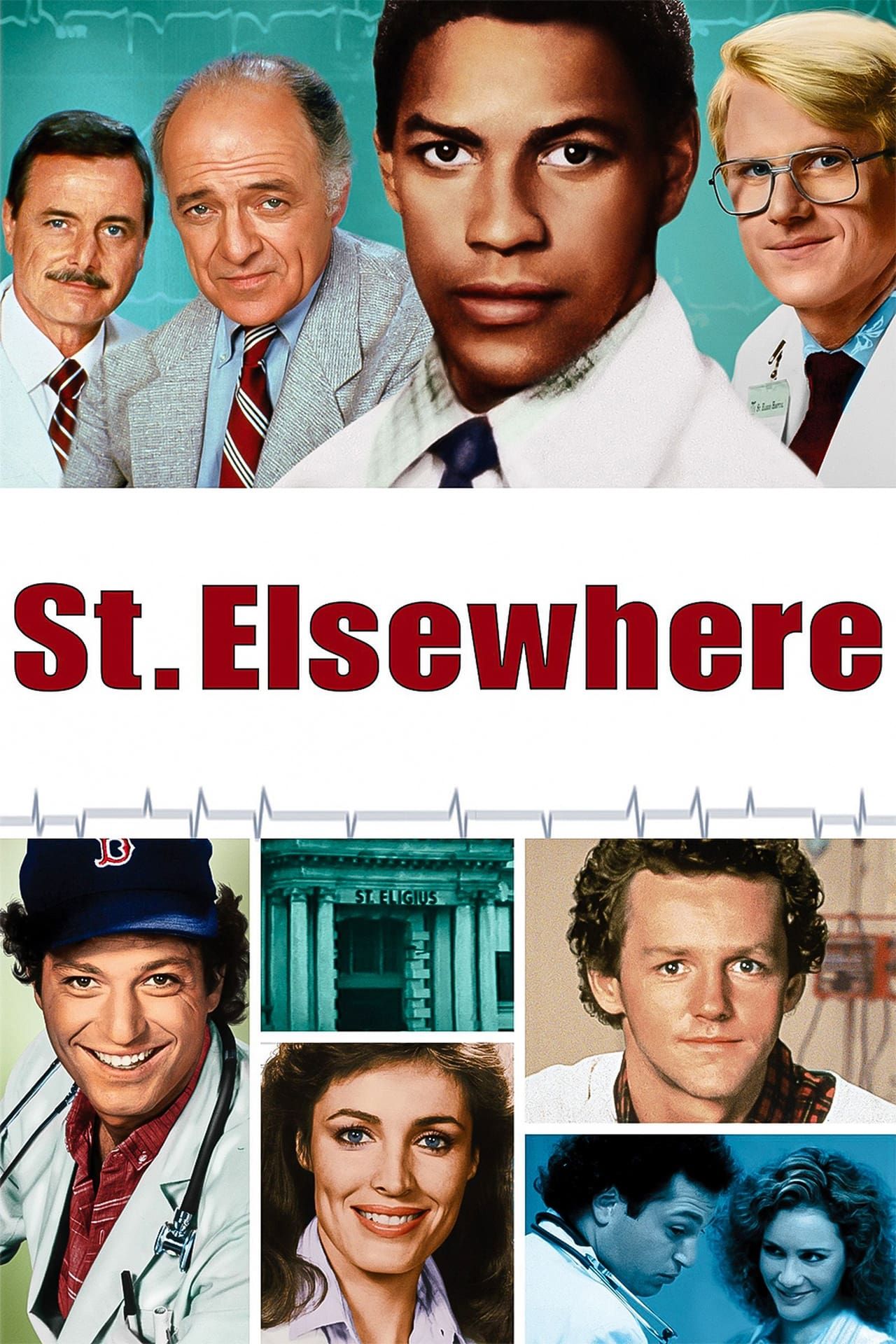
When St. Elsewhere wrapped up in 1988, it was one of the most talked-about moments in TV history. At the end of St. Elsewhere, the series finale implied that the entire show existed in the imagination of Tommy Westphall, a boy with autism who created the story in his mind while gazing into a snow globe replica of St. Eligius Hospital.
Related
7 Sci-Fi Shows That Changed The Genre Forever
Certain sci-fi series not only shaped the genre of science fiction, but also altered the television landscape and shaped popular culture forever.
The end of St. Elsewhere had a ripple effect, with fans creating the Tommy Westphall Universe Theory. Since St. Elsewhere had crossovers with other shows, like Cheers,the theory suggested that crossover shows, and the shows they crossed over with, existed in Tommy’s mind, too. While primarily a thought experiment, hypothetically, it implied that Tommy Westphall had imagined more than 400 shows.
Many felt that, after six seasons, to boil all the show’s plots and characters down to one child’s imagination was a betrayal of the time they invested in the series.
Despite its expansive potential, St. Elsewhere’s twist didn’t sit well with some viewers. Many felt that, after six seasons, to boil all the show’s plots and characters down to one child’s imagination was a betrayal of the time they invested in the series. However, an appreciation for its cultural impact also exists.
What The Creators Of St. Elsewhere Have Said About The Twist
St. Elsewhere’s Creators Embrace The Show’s Impact

The creators of St. Elsewhere have commented on the Tommy Westphall Universe Theory, offering insightful reactions to the cultural phenomenon they helped create. Tom Fontana, the writer and creator, had this to say: “Someone did the math once… and something like 90 percent of all [American] television took place in Tommy Westphall’s mind. God love him” (via Paste Magazine).
Related
10 Biggest TV Show Plot Twists Of All Time That No One Saw Coming
Even plot twists can get a bit predictable at times if they’re overdone, but nobody saw these totally unexpected TV show plot twists coming.
On the other hand, executive producer Bruce Paltrow predicted the divisive nature of St. Elsewhere’s series finale. He told the Chicago Tribune,“I expect a very mixed reaction. I think some people will think it’s extraordinary and existential and quintessential St. Elsewhere. I think other people will find it puzzling, off, maybe unfulfilling in some way” (via Vulture).
Television Plot Twists Have Come A Long Way Since St. Elsewhere’s Snow Globe
But St. Elsewhere Was Still A Proper Mindbender

While it’s a bizarre twist, Tommy’s connection to the show explains why its narrative often blurs the lines of reality. Still, plot twists have come a long way since the reveal of Westphall and his snow globe at the end of St. Elsewhere. In the 1980s, plot twists were rare, and often, like Tommy’s reveal in the finale, polarizing.
For instance, St. Elsewhere’s finale stood out because it framed the entire show. Since the 1990s, plot twists have become more subversive and intricately woven into a series’ narrative. Moving into the future, plot twists are becoming increasingly philosophical and reality-bending in shows like Black Mirror, which extend or explain the larger context without undermining what audiences already know.
Source: Paste Magazine, Vulture
St. Elsewhere
- Release Date
-
1982 – 1988-00-00
-

Ed Begley Jr.
Dr. Victor Ehrlich
-
Howie Mandel
Dr. Wayne Fiscus