Even people who might not be fond of silent cinema have likely seen at least one Charlie Chaplin movie in part or in full, or, at the very least, would surely be aware of who he was. He’s sort of the leading figure of the silent era, at least as far as movies made in English-language countries go (Fritz Lang would probably like a word, and some consideration for such a title when applied worldwide). Chaplin also did more than just silent movies, since he starred in and directed a handful from the 1940s onwards that were talkies. However, he held out making silent movies for longer than pretty much all of his contemporaries, and it’s his silent features and short films for which he’s probably more well-remembered.
Chaplin is also notable for pulling a Thanos time and again with a real “Fine, I’ll do it myself attitude,” as he usually produced, wrote, and directed his movies as well as acting in them, plus he went as far as composing the music heard in a bunch of his best ones, too. That’s all to say that, when judging his cinematic output, he’s something of a legendary figure within film history, and there is something undeniably timeless about so many of the movies he made, even the ones that are nearing – or have even surpassed – 100 years of age. There are some omissions below, since there are more than just a handful of Charlie Chaplin movies worth checking out, but if you’re unfamiliar with most (or all) of his work, then these undeniably masterful films of his are the first ones worth checking out.
5
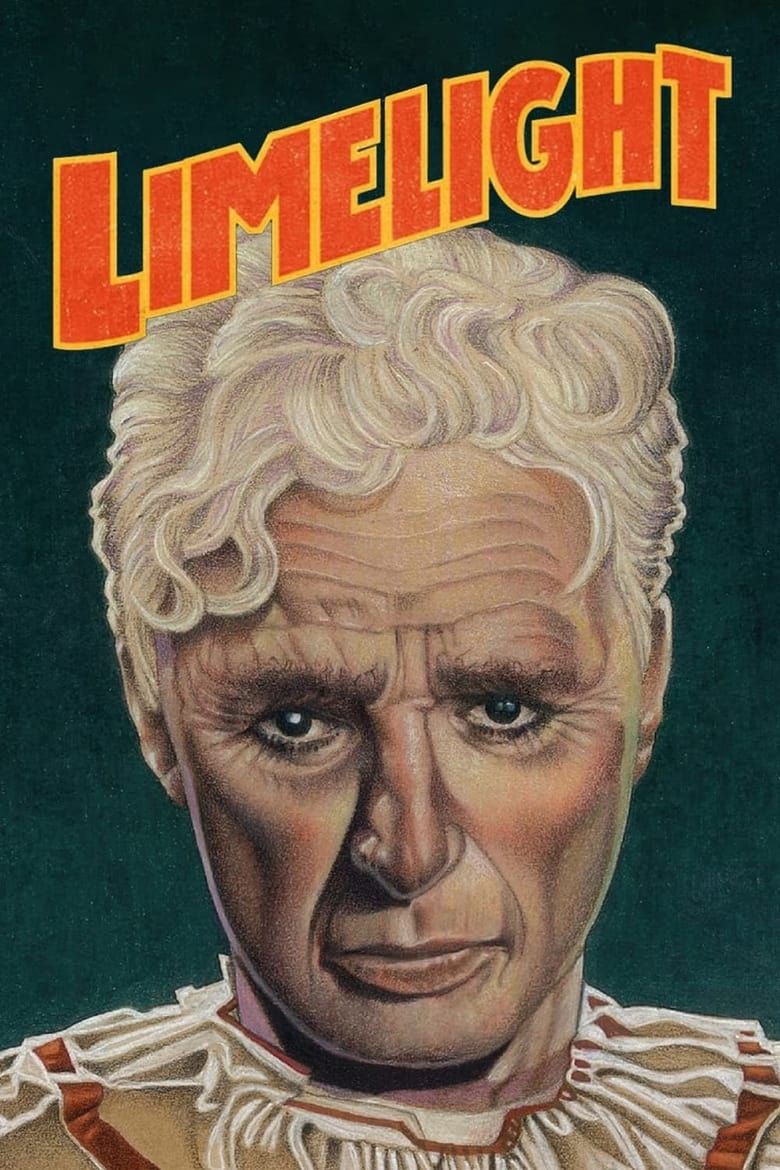
‘Limelight’ (1952)
Starring: Charlie Chaplin, Claire Bloom, Nigel Bruce
Charlie Chaplin directed a total of 11 feature films, with Limelight being his third-last overall, and probably his last truly great effort, too. A Countess from Hong Kong was his final one, and a film he oddly didn’t star in, and isn’t very good, with his penultimate feature, A King in New York, having a little more to offer. But Limelight is much better, and also stands out for being perhaps Chaplin’s most serious film. Most Chaplin movies balance comedy and drama to some extent, but Limelight is really mostly a drama, focusing on two entertainers – an aging music hall comedian and a younger ballet dancer – who form a bond while also struggling with their respective lives and careers.
Picture a spin on A Star Is Born, but one person’s a good deal older than the other and both are struggling, and you kind of get Limelight. It’s heavy, but not without hope entirely. There is a sense of perseverance to this story, and it’s kind of about finding meaning in life, even when doing so feels like an unmanageable task. Chaplin is great as the aging entertainer, and it’s also neat to see the legendary silent film star/director paired up with Buster Keaton on screen, who was probably the second biggest – and most influential – filmmaker/actor of the same era, with Keaton playing a supporting role in the movie. Further, Limelight feels like an undeniably personal film for Chaplin, based on where he was at that point in his life, and so the underlying sadness in the film feels achingly sincere and from the heart.
Limelight
- Release Date
-
October 23, 1952
- Runtime
-
137 minutes
-

-
Claire Bloom
Thereza ‘Terry’ Ambrose
-
-
Buster Keaton
Calvero’s Partner

4
‘The Kid’ (1921)
Starring: Charlie Chaplin, Jackie Coogan, Carl Miller
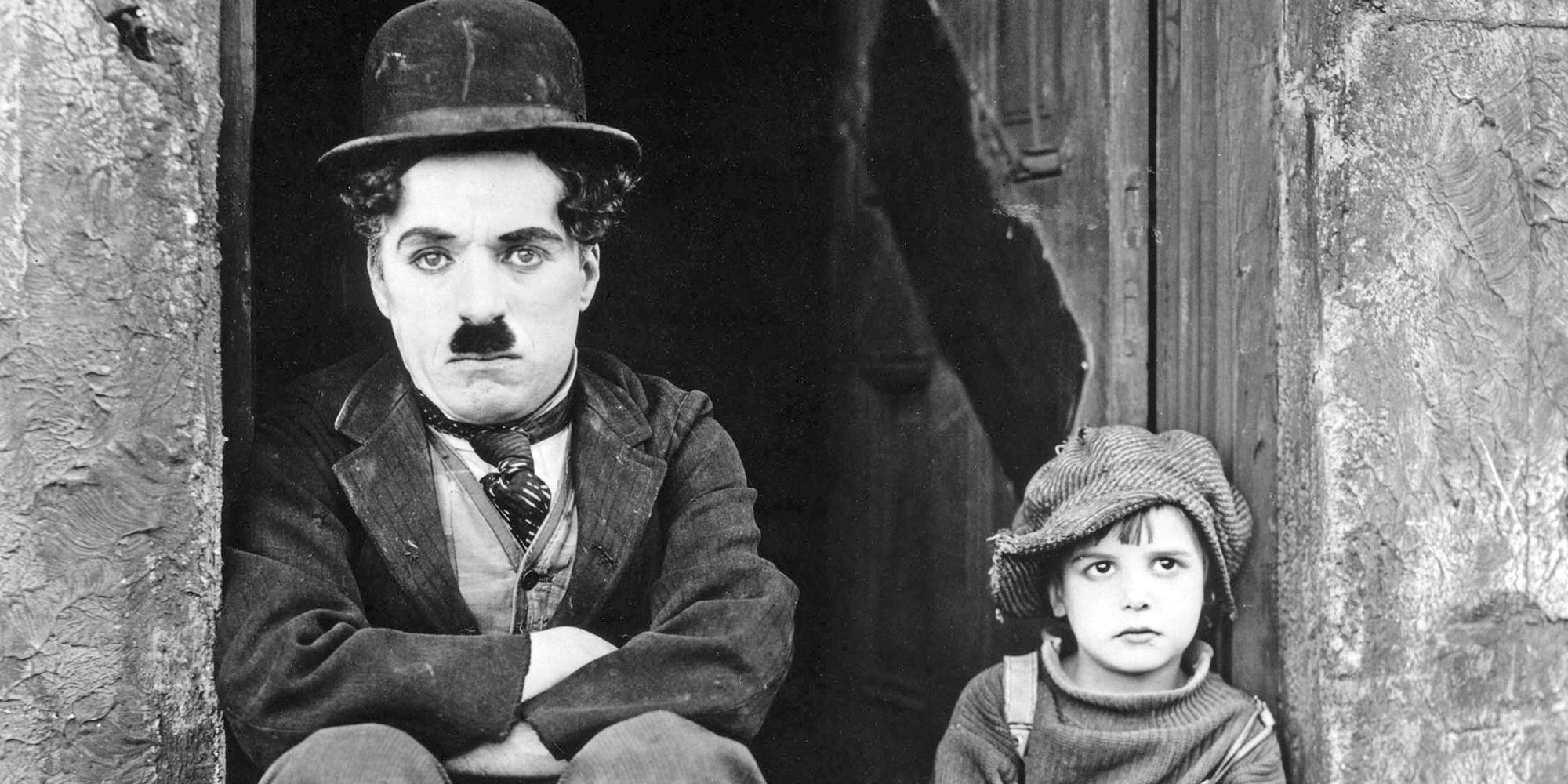
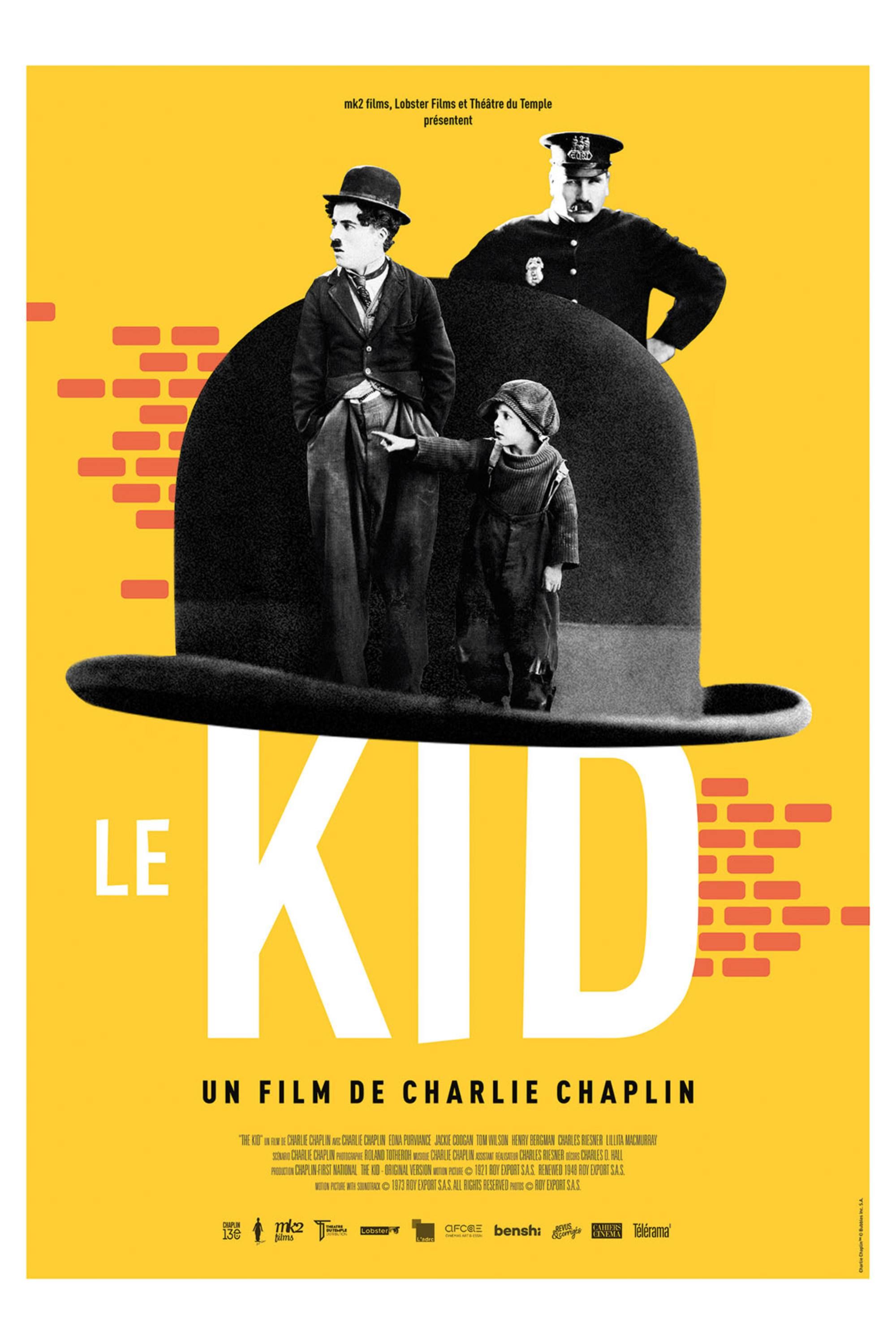
And now jumping back to much earlier in Charlie Chaplin’s filmography, The Kid is the first film of his that technically counts as a feature-length one, though only just, considering it’s either just over an hour or a bit under an hour, depending on which version you watch. Either way, it’s simple and straight to the point, mostly just being about Chaplin’s Tramp character caring for a child that’s been abandoned by their mother. Their bond is a strong, endearing, and sometimes funny one, but then it gets challenged when the mother comes back into the young boy’s life, expressing regret for abandoning him, and then things take a turn towards slightly more serious territory.
It pairs classic physical comedy with a story that gets pretty tear-jerking to great effect, and though the film was made for audiences from 100 years in the past, so much of what The Kid is going for emotionally still resonates when the film’s watched in the 2020s, as opposed to the 1920s. It might well be one of the oldest films that feels truly timeless, and while the 1920s might have ended up having some even better films later on, this one is pretty much right at the decade’s start, and already a highlight. Given it came out so long ago, it’s probably the best starting point if you’re entirely unfamiliar with Charlie Chaplin’s work, with a couple of other Chaplin movies from the 1920s also being worthy of honorable mentions: The Gold Rush and The Circus.
3
‘The Great Dictator’ (1940)
Starring: Charlie Chaplin, Paulette Goddard, Jack Oakie
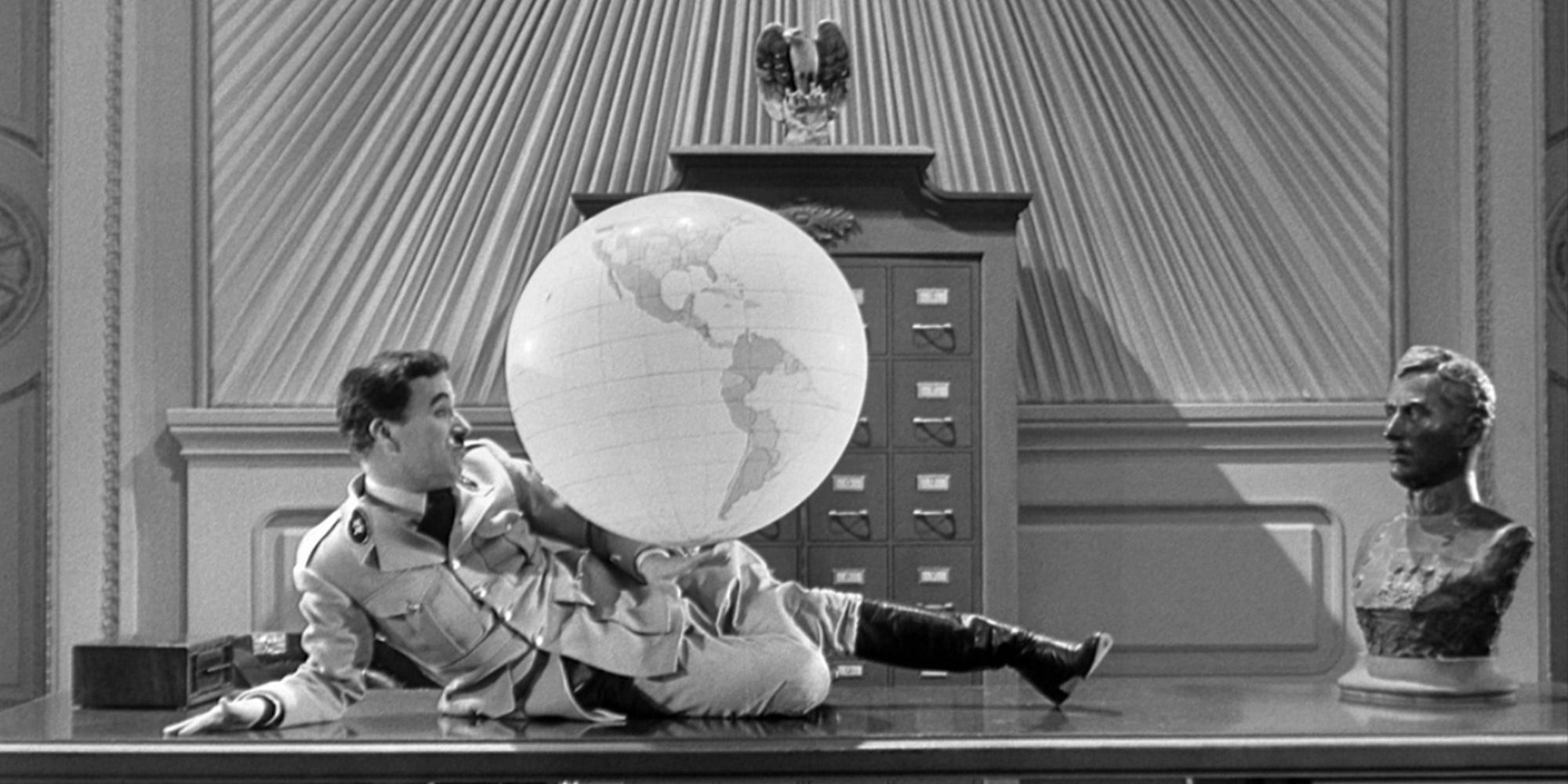
The Great Dictator is likely Charlie Chaplin’s most daring movie, as well as his most politically/socially charged. And he hadn’t been a stranger to exploring serious issues before 1940, particularly in his two 1930s masterpieces (more on those in a bit), but he went up another level in this regard for The Great Dictator. It’s a movie where he plays two roles, and one of those roles is the dictator of a fictional country called Tomainia, which is a character that’s clearly meant to reflect and parody Adolf Hitler. And The Great Dictator ultimately came out near the start of World War II, so that’s where the sense of it being quite daring comes in. It was a satire not made after the fact, but during.
In The Great Dictator, there’s a remarkable balance between timelessly funny comedy and more serious moments that still have an impact.
This makes The Great Dictator very interesting to analyze within the context of the time it was made, but also, it works as a pretty great war comedy in general, with an ending that impresses no matter how you’re judging/defining the rest of the movie. Once more, there’s a remarkable balance between timelessly funny comedy and more serious moments that still have an impact. Also, you can’t discuss The Great Dictator within the context of Chaplin’s filmography without mentioning that it was his first proper sound film, and showed, right out of the gate, that he had it in him to make talkies just as striking and memorable as his silent films.
2
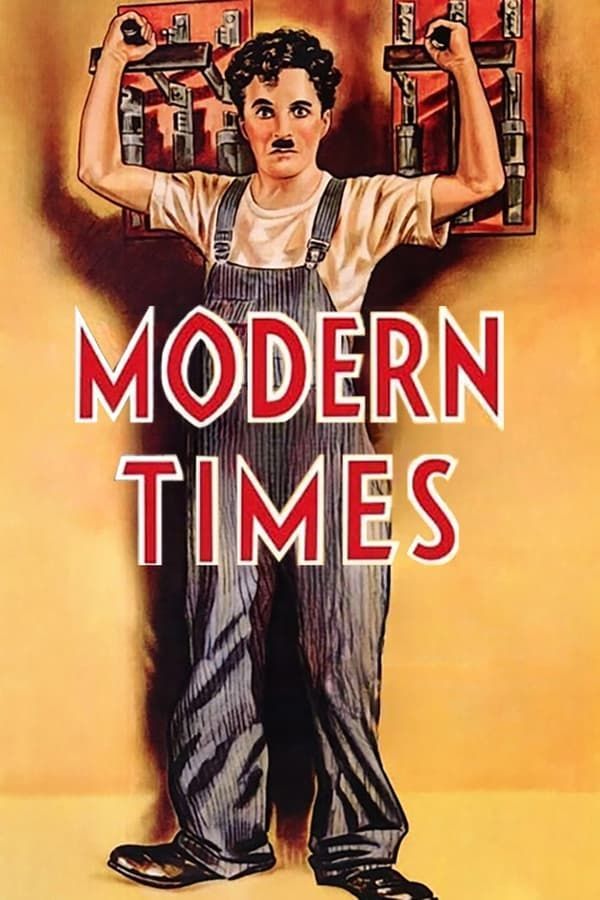
‘Modern Times’ (1936)
Starring: Charlie Chaplin, Paulette Goddard, Henry Bergman
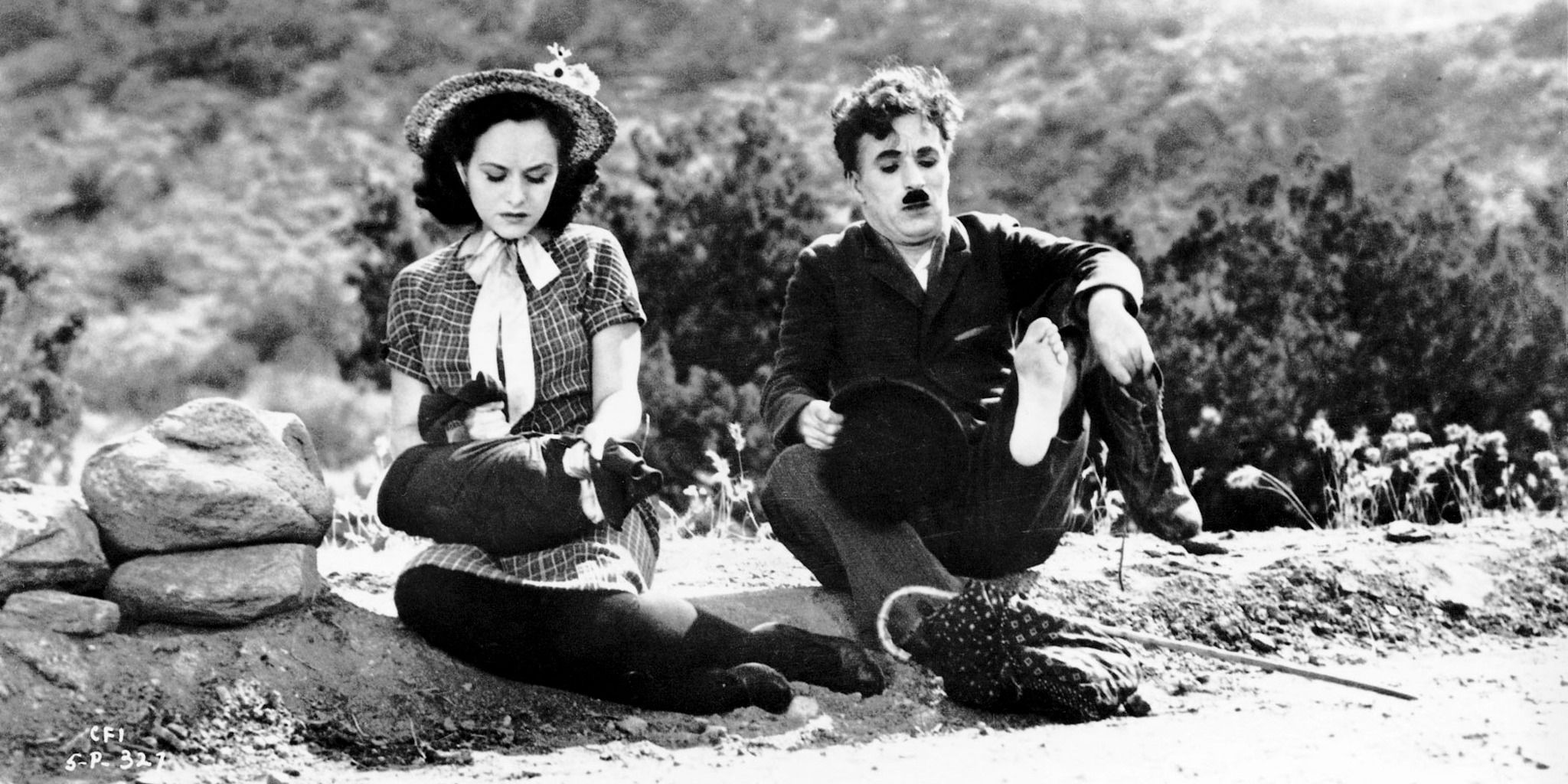
The final film of Charlie Chaplin’s that was made as a silent film, Modern Times feels like the end of an era. And it’s also a movie that has Chaplin’s Tramp character facing continuous obstacles that are related to new technologies and overall changing times, so it’s pretty easy to read the movie as being about Chaplin’s feelings regarding the embracing of talkies and rejection of silent movies. It’s such a fitting final silent film, as a result, even if there are some jokes that use sound effects and some very brief snippets of sound that could be described as dialogue. It’s right on the line, and that’s also appropriate; a mostly silent film that’s holding out, while the rest of the world marches on.
And Chaplin himself joined that world marching on come 1940, with The Great Dictator having dialogue and Modern Times being the final film that featured the Tramp. The bittersweet feelings caused, as a result, also help Modern Times be the masterpiece it is. Beyond all that analytical stuff, though, it’s also just extremely funny and creative, and there’s a good heart to it, with a compelling romantic story about two lost souls eventually persevering through the world together. In just about any other filmography, a movie of this quality would be a director/actor’s best, but Chaplin made one other silent film in the 1930s which, as wild as it might sound, could well be just a touch better than Modern Times; an A++ movie versus Modern Times and its A+ rating.
1
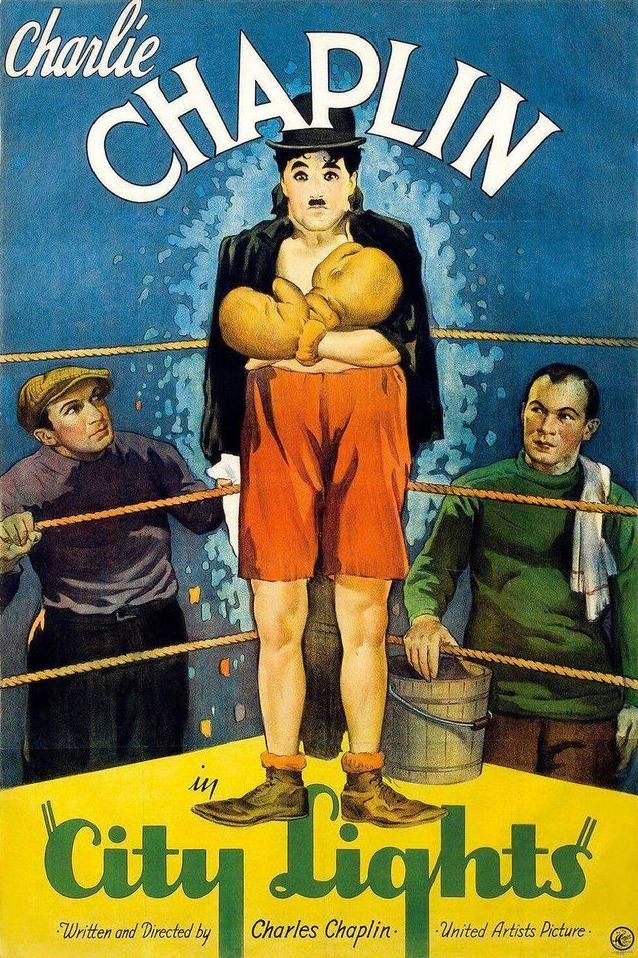
‘City Lights’ (1931)
Starring: Charlie Chaplin, Virginia Cherrill, Florence Lee
That A++ movie is City Lights, and no, it doesn’t matter if the A++ rating isn’t a thing, because it should be for a movie like City Lights. This has the kind of simple story found in The Kid, mixed in with the creative humor of Modern Times, and the stirring drama (and tear-jerking qualities) of Limelight, all rolled into one masterful movie. That’s a long-winded way of saying it’s the best of Chaplin, and so calling it his most perfect film feels fitting. Here, the narrative centers on the Tramp falling in love with a blind woman who sells flowers, and he wants to do everything to impress her, even if he doesn’t have much by way of money to his name.
The other key character is a despondent man who does have money, but the good times can’t last forever, and romance and comedy ultimately give way to bittersweet drama. It’s all very straightforward in a way that might make City Lights sound simplistic, when there are only words available to describe it, but experiencing it properly is another matter altogether. It doesn’t matter if you’ve never seen a movie that’s more than 90 years old before. If you give City Lights a shot, you will almost certainly get something out of it. It’s funny, sweet, soul-crushing, romantic, and admirably honest. It’s not just Chaplin’s greatest film, but City Lights is also right up there among the very best movies of all time, regardless of genre and decade.