When Steve Carell left The Office after season 7, it felt like Dunder Mifflin had lost its heart. Michael Scott’s absence was the biggest challenge the series ever faced, and it completely altered the show’s chemistry. For years, the mockumentary had relied on his bizarre blend of obliviousness and sincerity to anchor its chaos. Suddenly, that glue was gone.
Without Michael, The Office stumbled through a major identity crisis. The writers experimented with new managerial figures, such as Will Ferrell’s Deangelo Vickers, each offering flashes of potential but failing to restore the magic. Some came close, others crashed hard. For a while, it seemed like the show would never truly recover from losing its center.
Then Andy Bernard (Ed Helms) took the manager’s chair, and for a brief moment, The Office seemed to find its rhythm again. His leadership offered the right mix of cringe and chaos – until his character arc went completely off the rails, dragging the rest of the show with it.
Andy Was The Perfect Successor To Michael In The Office
Andy Captured Michael’s Chaotic Energy While Bringing A Fresh Kind Of Cringe To Dunder Mifflin
When Andy Bernard took over as manager of the Scranton branch at the start of season 8, it felt like The Office had finally found its next great lead. Andy wasn’t a carbon copy of Michael, and that’s exactly what made him work. He brought a different flavor of chaos to the workplace, one rooted in insecurity and desperation rather than delusion and ego.
Michael Scott was a surprisingly competent salesman who simply couldn’t read a room. Andy, on the other hand, was a terrible salesman who desperately wanted to be liked. That difference gave The Office new comedic ground to explore. His failures were less about misunderstanding people and more about overcompensating for his lack of self-confidence, making his blunders painfully relatable.
Ed Helms’ comedic timing was also crucial. Coming off the success of The Hangover, Helms had a knack for blending nervous energy with awkward charm. He could pivot from endearing to excruciating in seconds, creating moments that echoed Michael’s cringe-inducing brilliance but felt uniquely Andy.
Episodes like “The Incentive,” where Andy tattoos his own backside to motivate his employees, captured that perfect balance of idiocy and heart. It showed he was just as capable of embarrassing himself as Michael, but he did it in a way that stemmed from insecurity rather than self-importance. That distinction gave The Office room to grow while still staying true to its core awkward humor.
Andy wasn’t a natural leader, but that was the point. His chaotic optimism and need for validation created a different kind of office dysfunction, one that was funny, painful, and human. For a brief moment, he felt like the right heir to Michael’s World’s Best Boss mug.
The Best Post-Michael Seasons Of The Office Had Andy In The Manager’s Chair
Andy’s Early Tenure As Manager Briefly Made The Office Feel Like Its Old Self Again
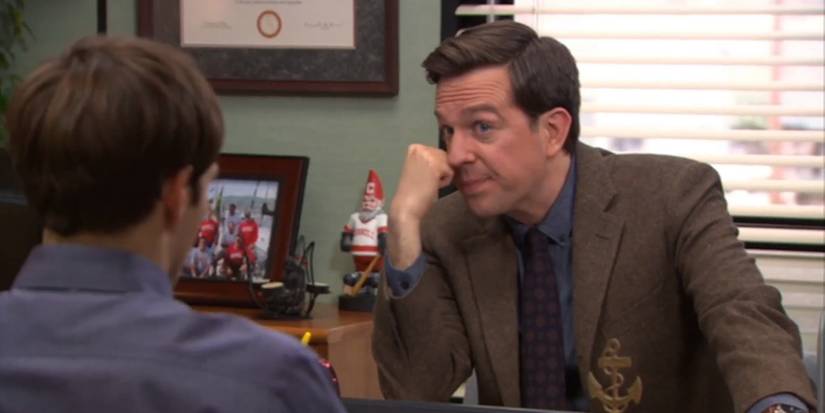
The episodes of The Officeimmediately following Michael’s departure were shaky, but Andy’s promotion brought back a surprising sense of stability. The Office regained some of its rhythm, and for the first time in a while, the show’s humor didn’t feel forced. Andy as manager restored that everyday chaos that made the series work.
Episodes like “The Incentive” and “Garden Party” showcased his insecurity-fueled leadership, and his interactions with James Spader’s Robert California created a bizarre yet hilarious dynamic. Robert’s manipulative confidence contrasted beautifully with Andy’s wide-eyed eagerness to please. Together, they made Scranton feel unpredictable again, and unpredictability was The Office’s sweet spot.
It also helped that Andy’s relationships with his coworkers had already been built up over several seasons. His friendship with Jim (John Krasinski) and Pam (Jenna Fischer) added familiarity, while his rivalry-turned-respect with Dwight (Rainn Wilson) gave the show some much-needed continuity. He wasn’t an outsider parachuted in to replace Michael — he was part of the family, and his rise made sense.
Even his romantic subplot with Erin Hannon (Ellie Kemper) worked during this era. Their shared awkwardness gave The Office an emotional through-line without leaning too heavily into melodrama. By season 8, it almost felt like the show had successfully transitioned to a post-Michael world, something few fans had believed possible.
Andy’s tenure as manager gave the show a different rhythm. It wasn’t Michael’s Dunder Mifflin anymore, but it was still worth tuning in for. The show still had warmth, cringe, and comedy, all driven by a manager who truly (if somewhat pathetically) cared.
When Andy’s Character Arc Went Off The Rails, So Did The Entire Show
Andy’s Regression From Lovable Underdog To Unbearable Narcissist Ruined The Office’s Endgame
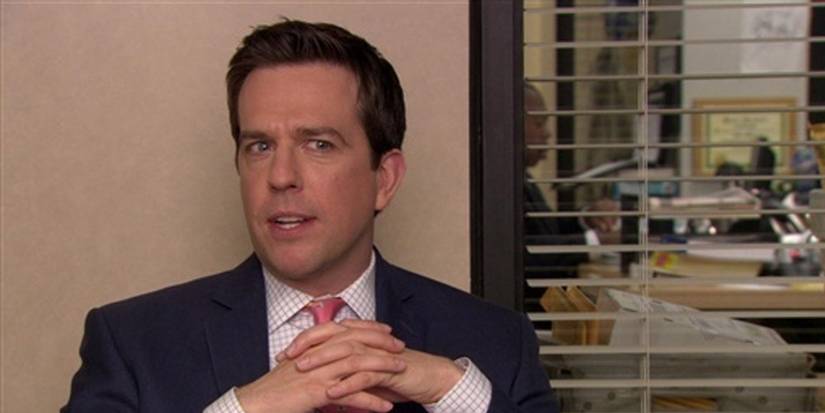
Unfortunately, Andy’s character arc didn’t just lose focus – it completely derailed The Office’s final stretch. After finally earning the manager position and his coworkers’ respect, Andy’s growth evaporated almost overnight. His decision to abandon Dunder Mifflin for a sailing trip in the Caribbean marked the beginning of the end.
When he returned, Andy was unrecognizable. Gone was the insecure but well-meaning manager trying to earn approval, and in his place was a smug, self-absorbed caricature. His mistreatment of Erin, especially during the Florida subplot and later when she moved on with Pete (Jake Lacy), made him genuinely unlikeable. His storyline about chasing fame felt disconnected from everything that had made him endearing.
The problem wasn’t just Andy’s behavior; it was how it rippled through the entire show. Without a sympathetic lead at the center, The Office lost its emotional balance. Andy was supposed to anchor the chaos the way Michael once did. Instead, he became its source.
This shift left the supporting cast adrift. Jim and Pam’s marriage drama filled the vacuum, but without a compelling manager to tie the storylines together, Scranton’s world felt hollow. Andy’s regression undid years of careful character development, turning one of the show’s most sympathetic figures into one of its biggest missteps.
By the time The Office reached its finale, Andy’s redemption arc felt rushed and unearned. What could’ve been a satisfying journey from insecure employee to beloved leader ended as a cautionary tale in character derailment. The Office didn’t just lose its footing when Michael left, it wasted its best chance to stand tall again.
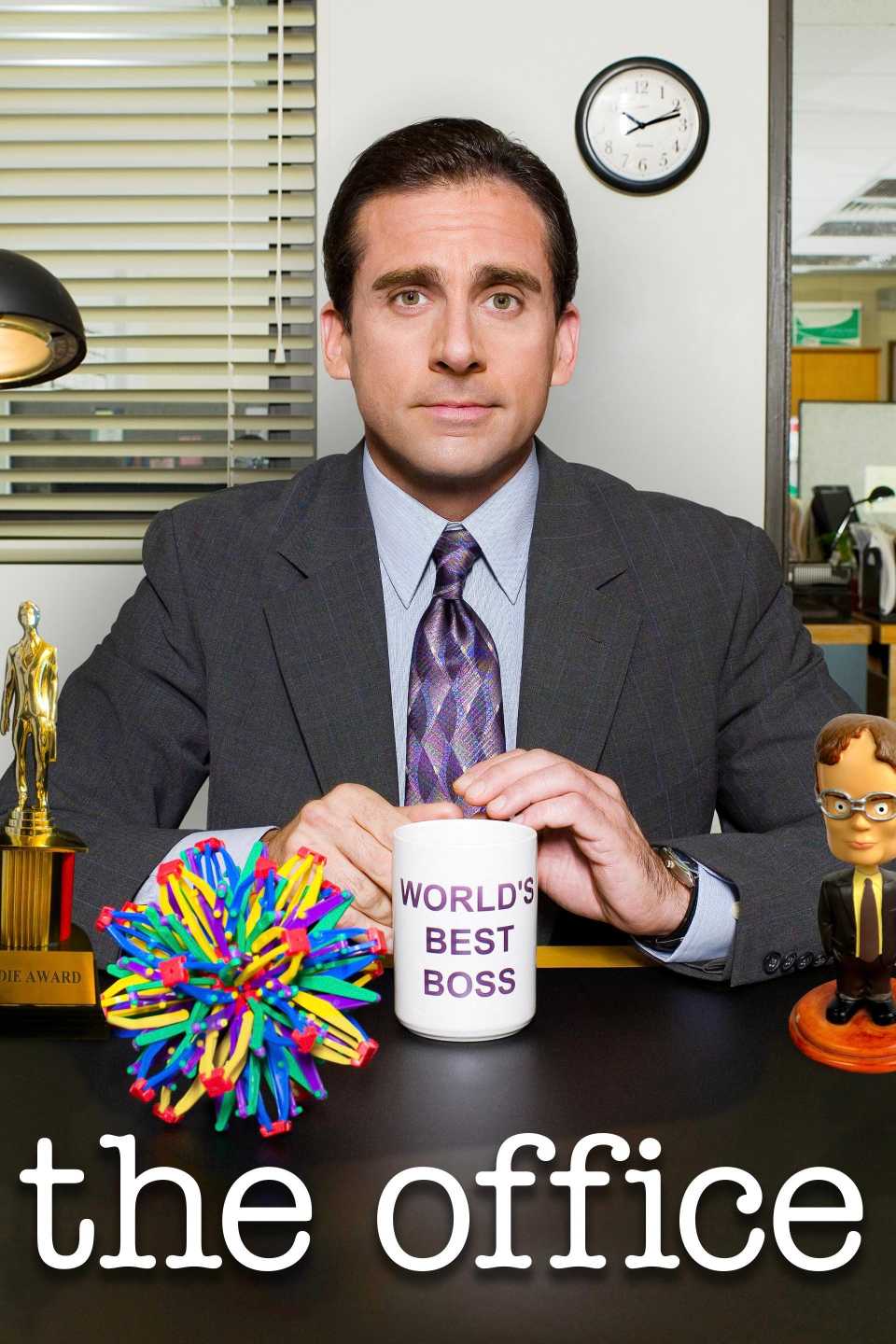
- Release Date
-
2005 – 2013-00-00
- Showrunner
-
Greg Daniels
- Directors
-
Greg Daniels, Paul Lieberstein, Paul Feig, Randall Einhorn, Ken Kwapis