After years of rumors and no forward momentum, when the news broke that Sarah Michelle Gellar herself would return to the world of Buffy the Vampire Slayer as both the star of a revival series and a creative force behind-the-scenes, millions of television fans cheered until their lungs gave out. Buffy‘s combination of quirky humor, coming-of-age potency, and upended horror tropes was a watershed moment in 20th-century pop culture history, and there’s hardly been a time when we need a champion of the vulnerable like Buffy Summers again more than now. The show continues to win new fans thanks to the convenience of streaming, and once pilot director Chloé Zhao and co-writers Nora and Lilla Zuckerman‘s continuation hits Hulu, that attention stands a good chance of gaining fresh momentum.
The original series resolves its major plot points and emotional beats by the end of its seven-season run (and with a conclusion as triumphantly joyful as both an adrenaline shot to the veins and a chopped onion shoved underneath our eyes). Still, those 144 episodes — plus the 1992 movie of the same name — leave several situations worth picking back up or expanding on, and more than a few characters for us to check back in with.
7
Angel and Spike’s Fates
Buffy the Vampire Slayer‘s unforgettable ensemble cast and their equally iconic rapport are a vital component of the series’ alchemy, and several cast members hop over to join Angel: The Series. The fate of the spin-off’s four leads who survived to see the series finale’s credits roll has been left in semi-infamous, but thematically fitting, limbo since 2004 (not counting the comic book and podcast sequels) — and by no means should a continuation named after its returning heroine get caught up with resolving the cliffhanger to her former boyfriend’s own titular show. That said, although it’s perfectly possible for neither Angel (David Boreanaz), the tall-dark-and-handsome brooder, nor Spike (James Marsters), the bleach-blond bad boy, to appear in the revival, not mentioning either could feel awkward.
And a mention — let alone a cameo, which isn’t absurd, since these two immortals will probably pine after Buffy for eternity — all but necessitates even an ambiguous answer to what the reformed vampires have been up to since they stood in a climatic rainy downpour. This would be a tricky needle to thread without descending into the kind of nostalgia that exists for nostalgia’s sake, or reducing the impact of Angel‘s tremendous finale. Threading that needle isn’t impossible so long as their involvement revolves around Buffy, and Buffy alone. In this context, Angel and Spike matter because of what they represent in her journey and where she stands over two decades later.
6
A New Watchers Council
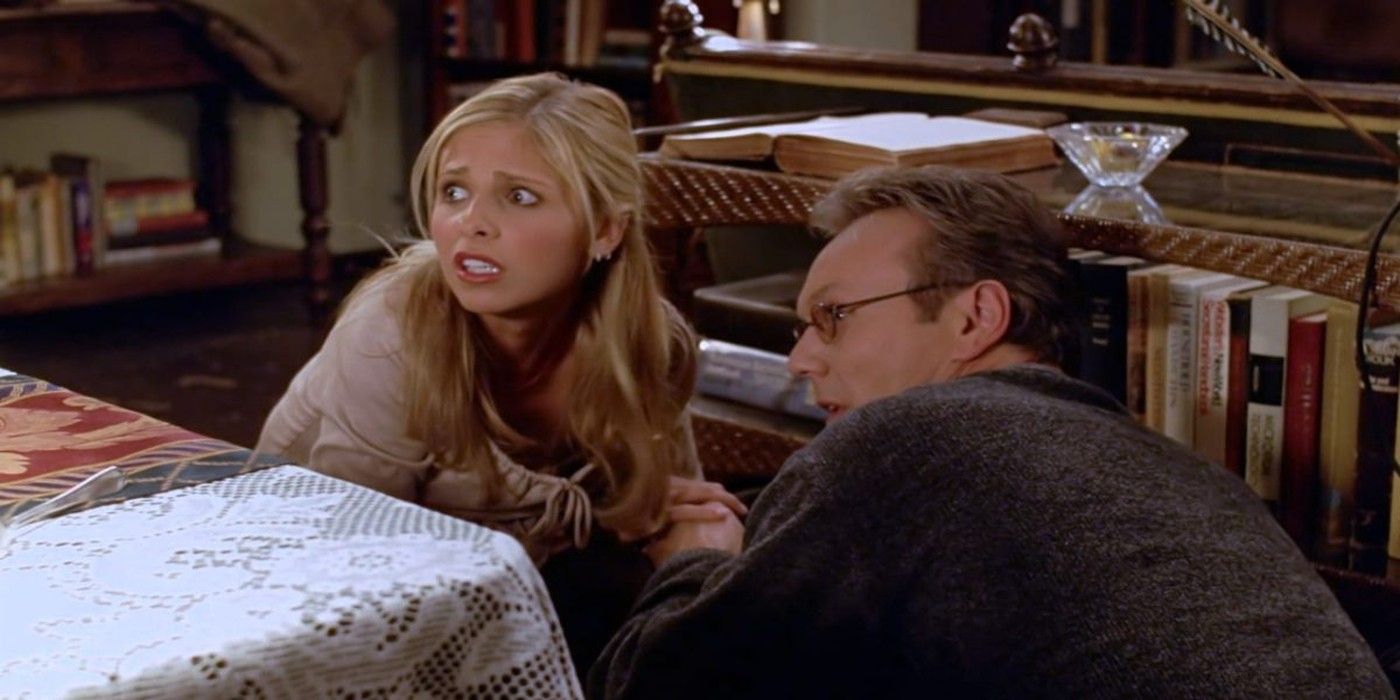
All things considered, the Watchers Council? Pretty much the worst. In an ideal world, the Council would all be variations of Giles (Anthony Head), who is far from flawless, but supports and guides Buffy to the best of his considerable ability. Instead, the male-led Council controls the young women they use as weapons, sometimes plucking potential children away from their parents and always subjecting defenseless girls to violent “tests,” while the Council themselves sit back free from danger. We don’t condone murder, but no tears are shed when Caleb (Nathan Fillion) destroys the Council headquarters in Season 7.
An obvious reference to institutional patriarchy, whether the Council is restored, by whom, and in what form, could be a meaty angle for the new series to tackle. The worst-case scenario, yet one scarily suitable for the Buffyverse, would be heartless men trying to re-establish the status quo. But there’s no going back to the status quo after Willow Rosenberg’s (Alyson Hannigan) spell unleashes the latent powers of every Potential Slayer. Buffy might be one of an army of women at this point, and they’ll need someone to manage communications, track supernatural threats around the globe, and provide any new Potentials with information, protection, and mentorship. Instead of a mostly male group, wouldn’t it be satisfying if the Slayers called the shots for their own lives?
5
Reclaiming the Slayer Line
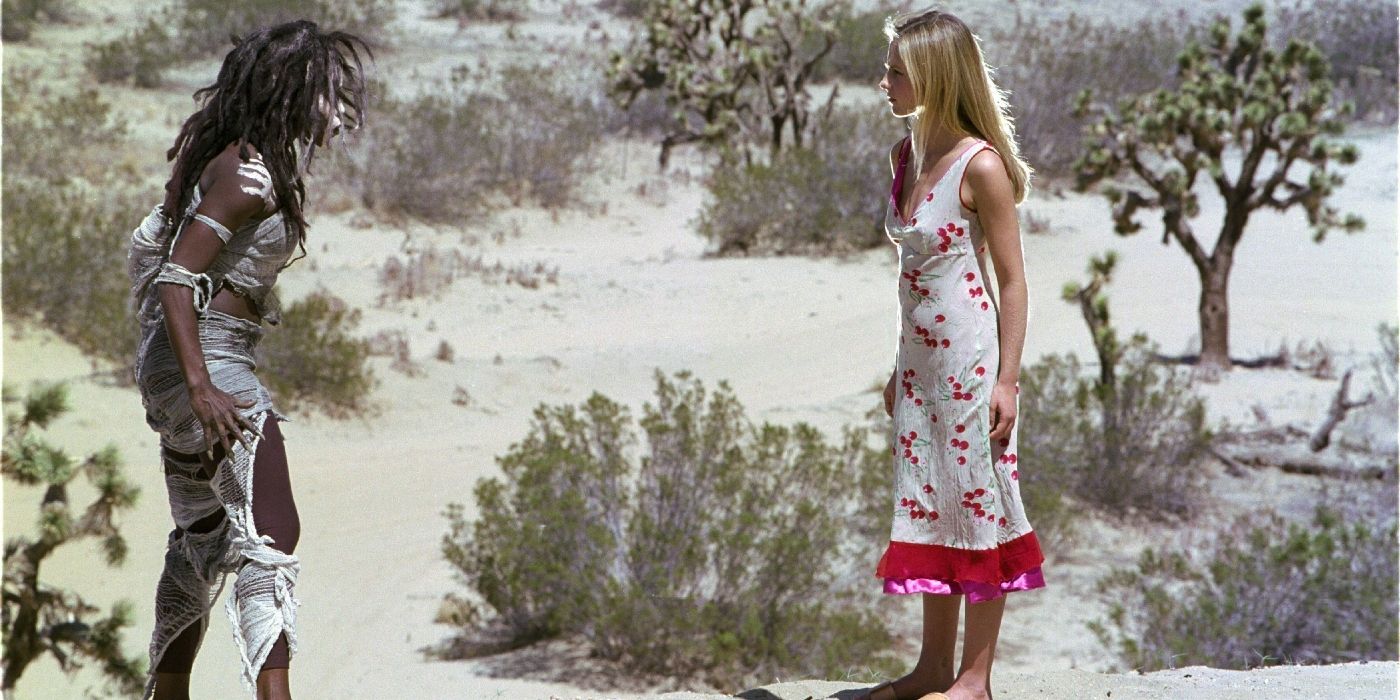
Buffy‘s seventh season reveals the origins of the First Slayer, so neither Buffy nor viewers are left in the dark about how the legacy began. With all the Potentials activated, however, it’s a prime opportunity for two decades’ worth of up-and-coming Slayers (if they continue being awakened in perpetuity) to research their history, and the series itself to flesh out the line’s mythology. Forgotten Slayers lost to time could be illuminated and honored, for example — and it would be fantastic to see the series truly grapple with how the First Slayer’s forced creation resembles sexual assault.
Although that truth isn’t necessarily a surprise, given how Buffy’s ongoing conflict with the destiny she never asked for likely echoes many Slayers’ sentiments, it’s still somewhat dissonant to tie her literal physical empowerment back to men committing violence against women. The point makes sense, and Buffy receives a cathartic speech about the First’s abuse, but the Slayers deserve to fully understand and reclaim their agency for themselves.
4
Willow’s Relationship With Magic
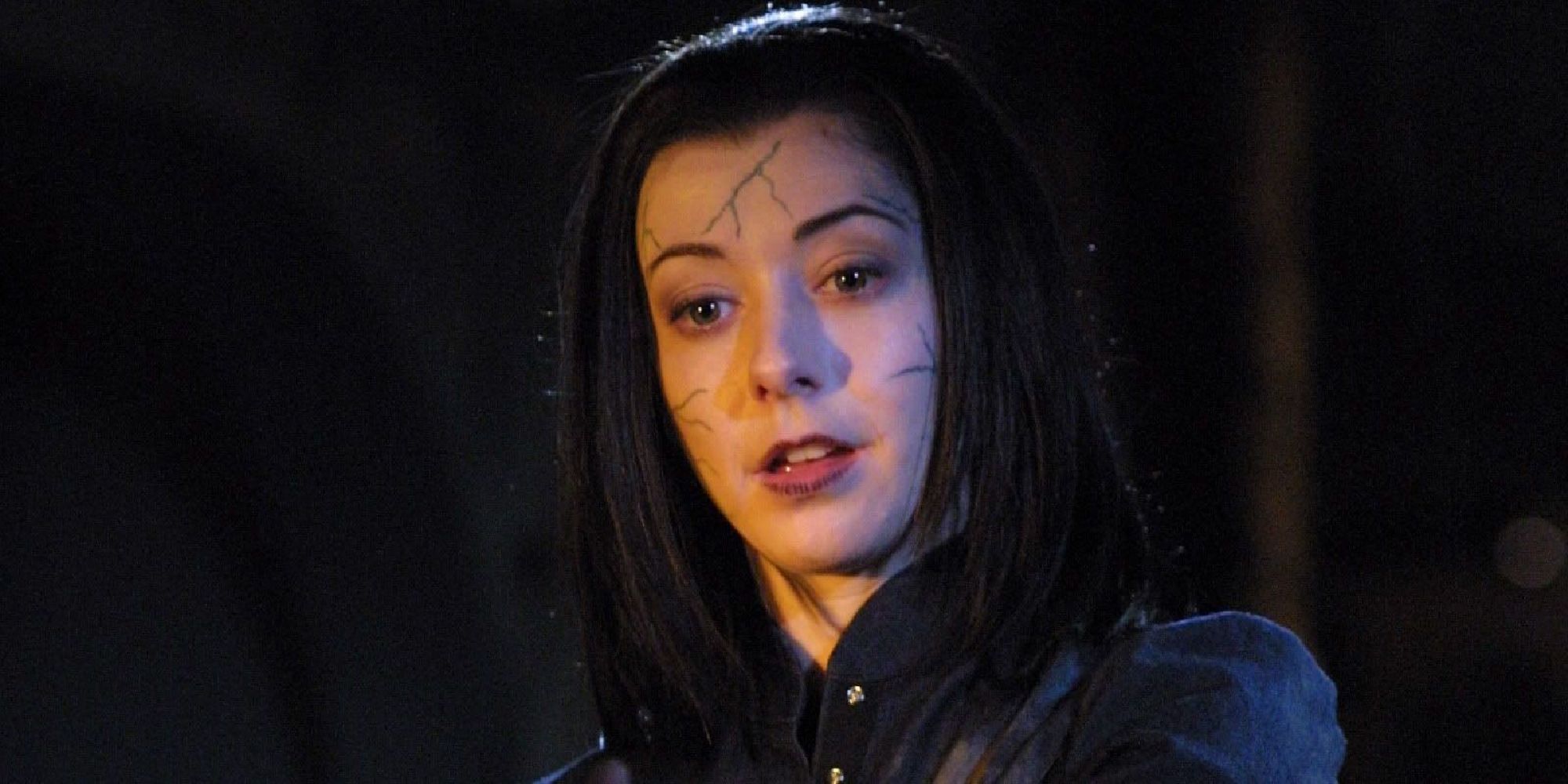
Legacy characters are like a house of cards. Re-introduce too many for the IP to balance, or incorporate them without narrative intent, and everything can fall apart. Even though we yearn to see everyone’s familiar faces, out of almost every possible option, we’d hope that Buffy and her best friend have at least stayed in touch. If Hannigan returns for the sequel in some capacity, then Willow deserves a thoughtful story to match. The redhead’s evolution as a witch has been a bumpy one, especially her devolution into Dark Willow, a contentious and mishandled metaphor for substance addiction. Once Willow learns healthier ways to approach her magic, her recovery culminates in the series finale, when she channels enough “good” magic to briefly turn her hair white. If Willow peaks with her Potentials spell, imagine how powerful she would be by now — and all the good our favorite nerdy Wiccan could do.
Alternatively, if Hannigan doesn’t return, then the revival could still expand the specifics of the magic system itself. Despite knowing the basics, there’s plenty of wiggle room to explore: like the variations between different practitioners (witches, warlocks, mages, those born with magic in their bloodline and those who adopt the practice), or the fact that magic isn’t limited to one species. Like the Force, every living being is already connected to the Earth’s inherent magic; they just need to access and harness it. Imagine a spell-casting Slayer!
3
The Potential Slayers
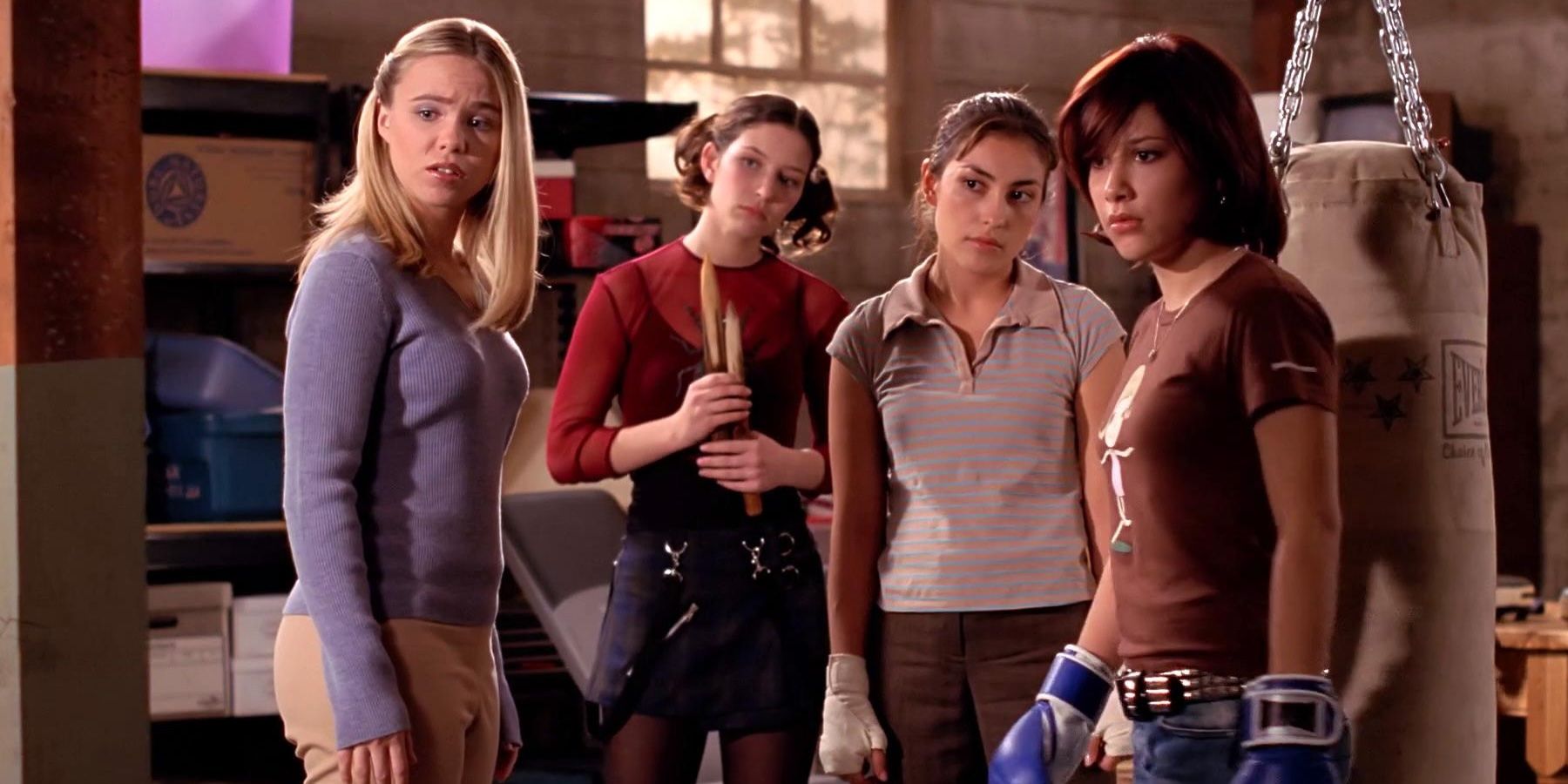
This one is a given, between the established Potentials and Ryan Kiera Armstrong’s casting as a new Slayer. It’s also, frankly, one of the most exciting and promising stories for the sequel to pursue. Buffy has seen two active, living Slayers before, but never more than a pair. If their duties have been dispensed among countless women, that means a worldwide community can share the same burden, thereby lightening the load — or reject it altogether, rather than being stifled by prophetic responsibility.
Yet being a Slayer shouldn’t be a universal experience for every candidate. There certainly might be Potentials similar to Faith Lehane (Eliza Dushku), whose shattered trust and search for belonging sidetracks into dubious morality before she re-joins forces with Buffy against Caleb and The First Evil. And what happens if a Slayer goes rogue and becomes truly evil? In between those extremes lies an immense spectrum of perspectives, desires, backgrounds, races, genders, sexualities, and body types, especially if the reboot factors more than one Slayer into the main cast.
2
Buffy’s Post-Finale Future

Another given, but even if Geller steps away from main character duties and hands off the baton to future generations, there can only ever be one Buffy Summers. Depending on when the revival takes place, the heroine of our hearts will be in her mid-40s. What shape has her life taken since then? Buffy the Vampire Slayer ends with the Chosen One who wanted to be a normal human teenager as One of many Chosens, and the destruction of the Hellmouth no longer ties her exclusively to Sunnydale. Has Buffy traveled to other countries? Is she famous the world over, or moving through it with relative anonymity? Is she happy, satisfied, weary, or any combination of the three? Has she surrounded herself with new additions to her family, either by blood or by choice?
Anticipatory game of 20 Questions aside, Buffy‘s original conceit hinges upon making the universal monsters of our high school years into actual onscreen monsters. The series loses its most effective punch once the Scooby Gang transitions into college, but navigating the struggles specific to adulthood opens a world of possibilities for this stage of Buffy’s journey. And if she acts as a direct or indirect mentor to the new generation, what a fantastic full-circle moment that will make.
1
Cordelia’s Untimely (and Unfair) Death
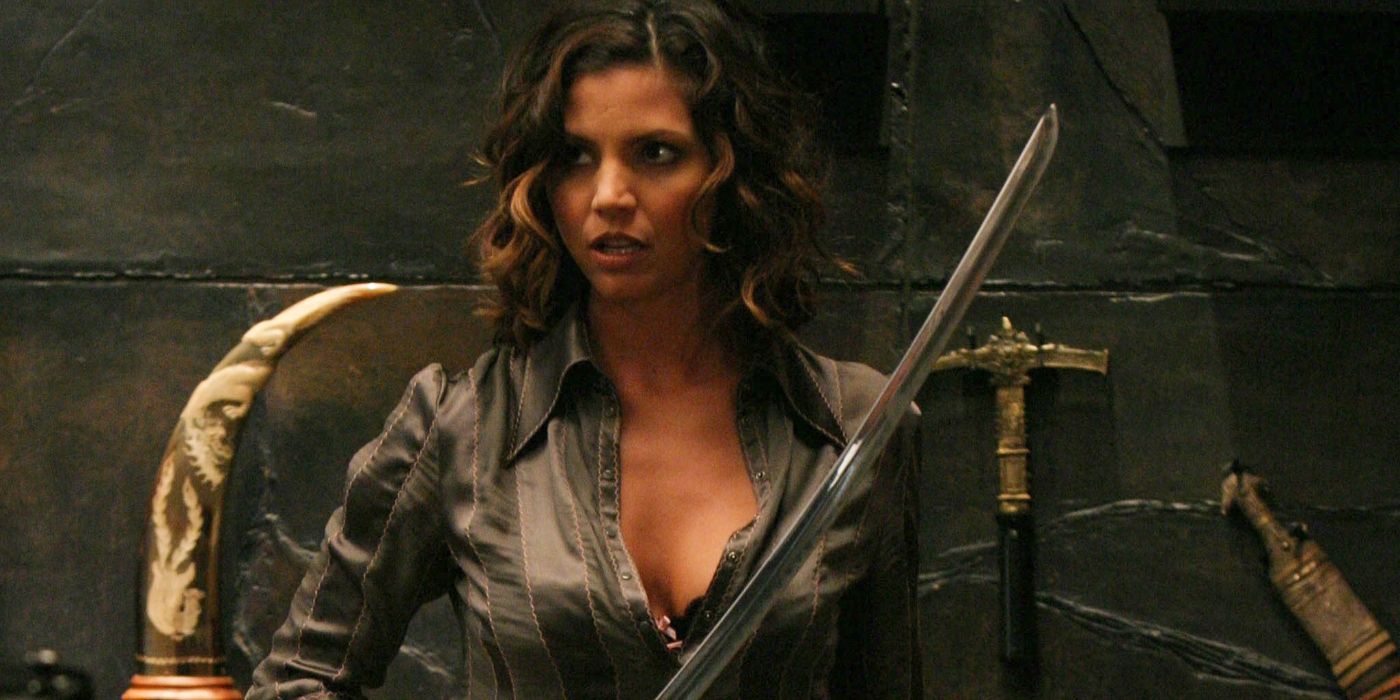
Cordelia Chase (Charisma Carpenter) isn’t the only woman who departs the Buffyverse courtesy of an unjust death. Tara Maclay’s (Amber Benson) murder remains a tragic wound for LGBTQIA+ fans, while Anya Jenkins (Emma Caulfield) falls in battle without the same blaze-of-glory ceremony afforded, say, Spike’s sacrifical death. Even though Cordelia’s exit happens in Angel: The Series, which also evolves her into a richly nuanced character beyond her superbly perfect mean girl days, the great Ms. Chase got her start at Sunnydale High School the same as everyone else.
The same series that advances Cordelia’s characterization also unceremoniously shuffles her off into insulting and reductive plots that strip her of her agency, plant her into a coma, and kill her offscreen. Resurrecting humans takes more effort than vampires, but there are numerous ways for this supernatural series to either bring her back from the grave alive and whole or subvert her death entirely. Her inclusion isn’t a far reach as long as it’s relevant — and, frankly, how much Cordy deserves justice combined with Carpenter’s interest in joining the reboot is more than relevant enough.