WhenKate Hudson burst onto the screen in Almost Famous, it felt like the arrival of the next big star. In her biggest role after two supporting turns, Hudson was vivacious, funny, and free-spirited as Penny Lane, the “Band-Aid” who adored Russell Hammond (Billy Crudup), lead singer of the fictional band Stillwater. While charismatic, what made the performance linger was the sadness just beneath the surface. Penny wasn’t simply cool or carefree; she was wounded, lonely, and desperate to be loved.
It felt like the beginning of something major. Penny Lane was the type of debut that usually signals a long and acclaimed career. And yet, that future never quite materialized. Hudson became famous and bankable, particularly in romantic comedies, but the work rarely matched the promise of Almost Famous. Twenty-five years later, her turn opposite Hugh Jackman in Song Sung Blue finally delivers on the promise she showed in Cameron Crowe’s classic. Song Sung Blue doesn’t just recall the magic of Penny Lane — it matches it.
Kate Hudson’s Career Drifted Away From Its Own Potential
In the years followingAlmost Famous, Hudson remained a reliable star, but one who was rarely challenged. She anchored a string of romantic comedies like How to Lose a Guy in 10 Days andBride Wars that leaned heavily on her charm and likability but were emotionally undemanding. There’s nothing inherently wrong with that lane, and Hudson was often the best part of those movies, but the roles asked little of her beyond surface appeal.
The industry seemed content to flatten what made Penny Lane so compelling, which was the melancholy on the other side of the vivacity. Even in supporting roles or ensemble projects, Hudson was often boxed into familiar rhythms. She attempted more challenging work in films like the musical Nine or the thriller The Killer Inside Me, but was undone by uneven or critically panned projects. Her promise never vanished, but it was deferred again and again.
There was one notable exception: her performance as a supermodel in Rian Johnson’s Glass Onion: A Knives Out Mystery, which showcased her sharp comedic timing and character work. She was one of the film’s most memorable presences, even if it was more comedic. With Song Sung Blue, Hudson goes further, developing one of the most complex characters of her career.
Hugh Jackman’s ‘The Greatest Showman’ Replacement Brings Neil Diamond’s Classics to Life
Kate Hudson stars alongside Hugh Jackman in the new film from Focus Features.
‘Song Sung Blue’ Lets Hudson Be Both Radiant and Broken
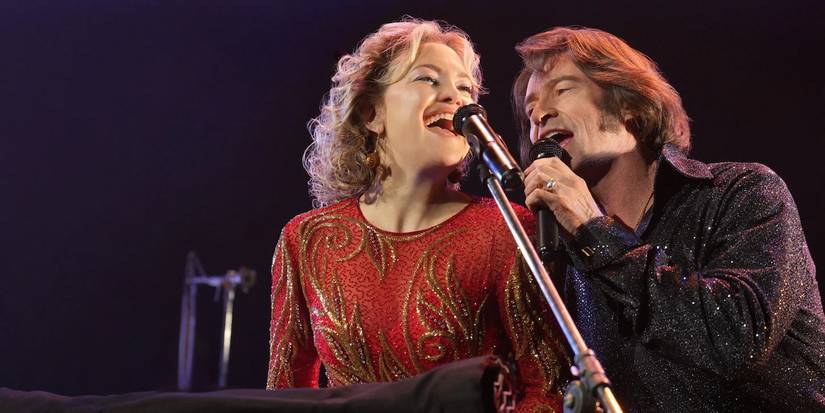
Directed by Craig Brewer, Song Sung Blue stars Hudson and Jackman as Claire and Mike Sardina, a married couple who perform together in a Neil Diamond cover band under the names “Thunder” and “Lightning.” Early on, it’s a warm, energetic underdog story. Claire’s optimism generates its own momentum, and Hudson is funny, loose, and charismatic; her scenes with Jackman are affectionate and easy. A moment where they sit at a living room keyboard and sing Diamond’s “Play Me” is romantic and crackles with chemistry.
Claire loves performing, connecting with an audience, and singing alongside her partner. Brewer, who perfected capturing the joy of performance in films like Hustle & Flow andDolemite Is My Name, allows those passages to breathe, and Hudson’s energy is palpable. Few actors radiate happiness as effortlessly as she does, and the film’s best scenes come when watching Hudson and Jackman take the stage together. It’s a reminder of the vitality she showed as Penny Lane and why she remained such an enchanting screen presence for so long.
Then the film pivots. A horrific accident leaves Claire facing an amputation, chronic pain, and deep depression. The back half allows the harder truths of its real-life story to surface. Claire must endure physical therapy, medication fog, and the fear that her performing days are over. Hudson never overplays the suffering. She captures the numbness and quiet heartbreak of someone whose dreams have been abruptly interrupted. The spark that once radiated from her eyes dims, yet she also sells the resilience that slowly carries Claire toward recovery.
It’s Hudson’s best performance in over two decades. The effervescence of Penny Lane is still there, but it’s paired with a deeper, more emotionally grounded understanding of loss and depression. Because Hudson establishes Claire’s joy so vividly early on, the darker passages hit harder, and the eventual redemption feels earned.
Hudson Gives a Fully Fleshed-Out Performance
When Claire returns to the stage in the final act, the moment lands not because it’s triumphant, but because it’s tentative. Hudson plays it with restraint, allowing confidence and fear to coexist. There’s vulnerability in Claire’s first attempt back, accompanying Mike at a karaoke night and questioning her steadiness. It’s the kind of emotional layering Hudson’s career has too often avoided, and she handles it with quiet maturity that underscores how much was left untapped. Although the script sometimes veers too far into biopic melodrama, the performance always feels genuine.
Awards bodies often favor performances that announce their seriousness. Hudson’s work here is quieter and riskier. It trusts the audience to notice small accumulations: shifts in posture, changes in humor, the evolution of her voice. It’s acting that doesn’t demand to be labeled “serious,” which is why it resonates.
Twenty-five years after Almost Famous, Song Sung Blue finally fulfills the promise Penny Lane hinted at so effortlessly, and she’s getting raves for her work. The film proves Hudson is capable of far more than the industry often allowed her to show. Finally, she’s given the space to be radiant and broken, fully human from start to finish.mi8
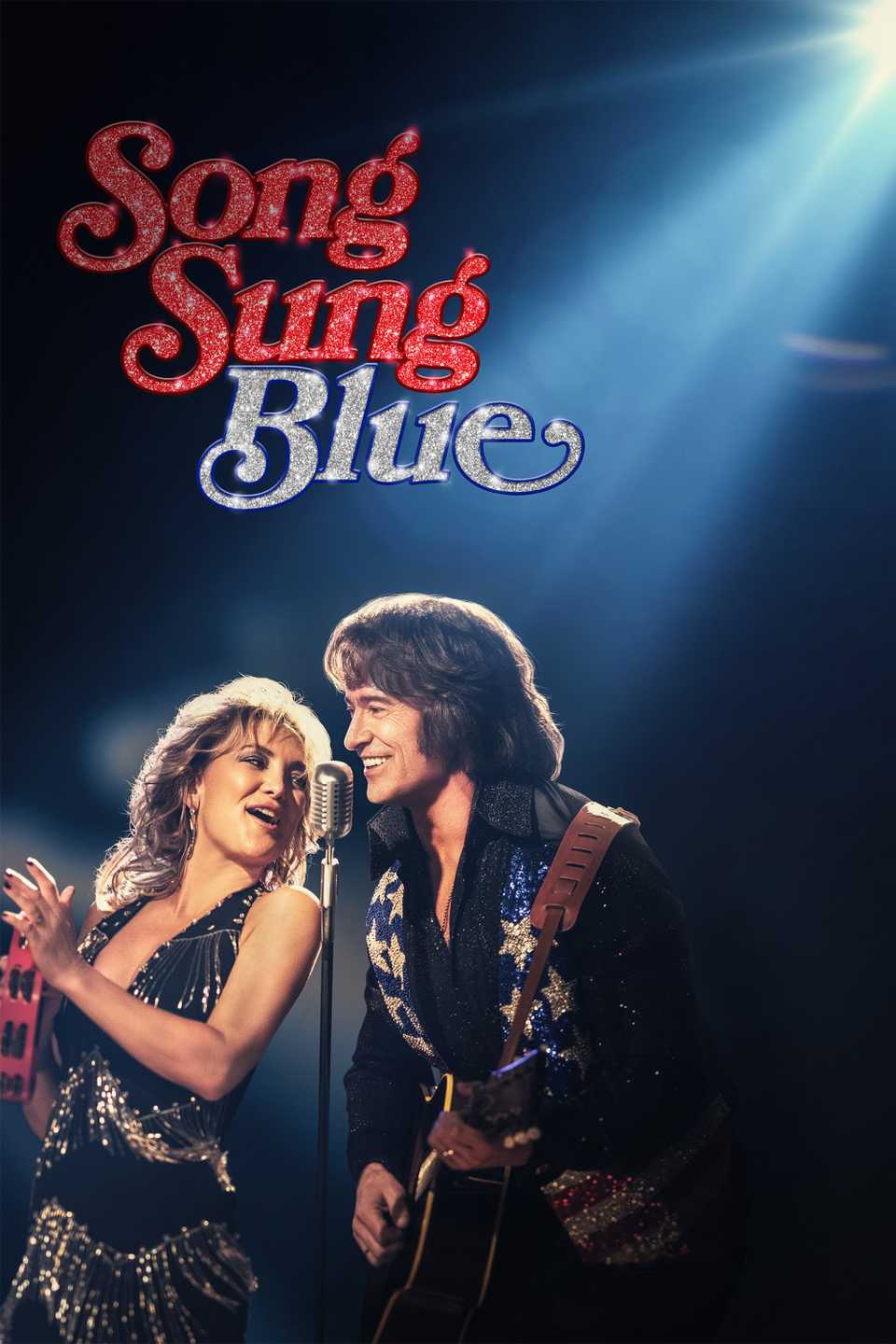
Song Sung Blue opened in theaters on December 25.
- Release Date
-
December 25, 2025
- Runtime
-
132 minutes
- Director
-
Craig Brewer
- Writers
-
Craig Brewer
- Producers
-
John Davis, John Fox, Craig Brewer