Ryan Murphy takes some creative swings in Monster: The Ed Gein Story, but his portrayal of Alfred Hitchcock as an abusive, misogynistic genius might be closer to fact than fiction. The show’s version of him as a voyeuristic creep lurking behind the camera (and a peephole) isn’t artistic license – it’s rooted in decades of reporting about his fixation on his blonde leading ladies. Biographers and former collaborators have long detailed his controlling behavior: the way he allegedly tormented Tippi Hedren during The Birds and Marnie, his obsession with Grace Kelly, his resentment when his creations outshone him. What Monster does is distill that pattern into horror shorthand – turning Hollywood’s “Master of Suspense” into the kind of predator his own films warned us about.
Sure, most of the focus rests on Charlie Hunnam’sMiddle-America monster – a figure that fascinated Hitchcock and the many real-life imitators that followed. But the choice to reserve space in Gein’s origin story to not only reference his influence on horror’s maestro, but pick at Hitchcock’s freshly-healed reputational scab feels important. Monster takes decades of stories about Hitchcock and presents them through a clear lens, showing the ways his behavior could be disturbing in real life. By turning the focus back on him, the show highlights how someone who controls the camera can also control – and intimidate – the people around them, forcing us to question our collective curiosity with the “tortured auteur” archetype. Monster may amp up the drama of it all, but the director’s darker legacy is one that’s all too real.
The Dark Side of Alfred Hitchcock: Birds, Blondes, and Bad Behavior
Two things can be true at once in regards to Hitchcock’s cinematic footprint: he gave plenty of talented young women their big industry break, and he also used that “gift” as leverage to prey on them. Hedren has spoken extensively about the challenges of working with the director on their two films. She described long, exhausting days on set and situations where he pushed her into difficult and sometimes dangerous conditions to get the shots he wanted. Hedren also recalled moments of intimidation and isolation when she resisted his demands, experiences that left her feeling vulnerable and helpless under his control.
Live birds tied to her clothes, pecking her body for days-worth of takes evolved into alleged sexual assaults in the back of Hitchcock’s limousine and in his office. “It was sexual, it was perverse, and it was ugly, and I couldn’t have been more shocked and more repulsed,” Hedren wrote of one encounter in her 2016 autobiography. “The harder I fought him, the more aggressive he became. Then he started adding threats, as if he could do anything to me that was worse than what he was trying to do at that moment.”
But Hitchcock’s attention to his leading ladies extended beyond Hedren. Later biographies and biopics would depict a lonely, troubled creator who reportedly kept a tight hold over many of his leading ladies, including Kim Novak, Janet Leigh, and Ingrid Bergman, often dictating how they should act, dress, and even behave off-set to match his vision. He’d flirt with professional boundaries, making crude, sexual jokes to test just how far he could push the women working for him. He was intensely focused on Grace Kelly, viewing her as the “ideal woman,” and he reportedly became so frustrated with Vera Miles when her personal life, including a pregnancy, interfered with the roles he had planned for her that he had her blacklisted.
While Hitchcock remains celebrated for his influence on cinema and his skill as a filmmaker, the behind-the-scenes happenings paint a more complicated picture. His drive for perfection and command over every detail on set sometimes created an environment that was exploitative, stressful, and emotionally taxing. Recognizing this side of his legacy provides context for why modern portrayals, like Monster: The Ed Gein Story, resonate – they take what has long been discussed in private circles and present it for a broader audience to consider.
How ‘Monster’ Turns Hitchcock’s Dark Behavior into On-Screen Horror
Monster weaves Hitchcock’s more unsavory, malicious behavior directly into its own horror, too, presenting him as another complex, morally gray character, unnerving in his own idiosyncrasies and perversions. The show highlights patterns that were already part of his life: a controlling approach to his actresses, a fascination with violence, and a famously odd, almost distant marriage. It even draws subtle parallels between Hitchcock’s relationship with his own mother and Ed Gein’s, suggesting how formative family dynamics can feed into problematic traits later on. But it fabricates facts, too. While women he worked with, biographers, and Hitchcock himself admitted to voyeuristic tendencies and rumors of peepholes in offices and dressing rooms do exist, it’s never been proven or confirmed that the director spied on women that way.
Instead, the show frames Hitchcock as almost another acolyte of Gein – someone willing to compromise decency and humanity for the sake of his own personal desires. Leering shots, a fixation on women’s fear, and a sense of savoring the moments of terror he created in his work echo how he manipulated and controlled the actresses (and actors) around him. He isn’t committing murder like Gein, but Monster draws a clear parallel: Hitchcock exploits women on set and in his films, using their vulnerability for shock, personal gratification, and his artistic vision. The series presents these patterns not as exaggeration, but as part of a consistent, troubling behavior that shaped both his life and the movies he made.
Ultimately, any portrayal of Hitchcock – including Murphy’s – doesn’t erase the skill or influence that made him a defining figure in cinema. Instead, it shows that talent and torment can coexist, and that understanding one helps make sense of the other. Although the challenge remains: how do we tell these histories responsibly, without sensationalizing them? Maybe the most unsettling part of Hitchcock’s legacy isn’t that he was brilliant or even controversial – it’s that many of the warning signs were always there, quietly shaping the films and the people around him.
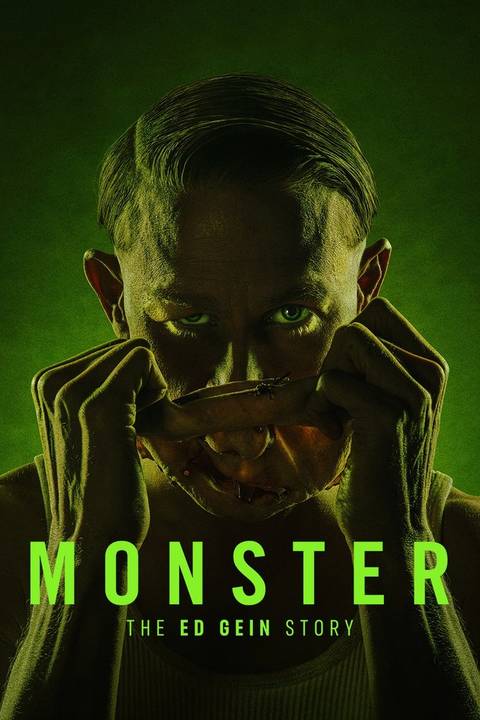
Monster: The Ed Gein Story is available to stream on Netflix in the U.S.
- Release Date
-
October 3, 2025
- Network
-
Netflix
- Directors
-
Carl Franklin