The history of ninja anime is inextricably linked to the medium’s earliest roots, especially when introduced worldwide. A full 34 years before Naruto’s 2002 premiere, its vastly influential predecessor graced TBS Television’s airwaves in 1968, named Sasuke. Now, courtesy of AnimEigo, the full anime run is faithfully restored on Blu-ray for North American audiences for the first time ever.
Sasuke’s anime, cleanly preserved in its made-for-television format, highlights a different anime era of the 1960s, the decade to which anime’s earliest major series like Astro Boy belonged. While it may be fair to perceive as a relic, the manga it adapts, and the mythologized namesake hero it features, is deeply rooted in Japanese culture, influencing Naruto in fascinating ways.
Sasuke Was the Ninja Anime Star 34 Years Before Naruto
Animated by TCJ, later known as Eiken Co., Ltd., Sasuke first broadcast on TBS in Japan on September 3, 1968. At this point, other competing terrestrial Japanese networks had little in the way of competition, with only three presenting similar anime programming. For 29 episodes until March 25, 1969, viewers were treated to the adventures of a young Sasuke Sarutobi.
Sasuke, while largely running unopposed on TBS Television, faced anime competition from three other key networks, with GeGeGe no Kitarō going on to stand the test of time. Other competing programming it faced on various major networks broadcasting anime included:
| TV Network (Japan) | Anime |
|---|---|
| TV Asahi |
|
| Nippon Television |
|
| Fuji TV |
|
This is the same Sasuke Sarutobi who previously featured as the main character of Magic Boy, the first anime film ever released in the United States. Unsurprisingly, Naruto’s Third Hokage, Hiruzen Sarutobi, may immediately come to mind, and it’s a clear homage: even Sasuke Uchiha’s mother, Mikoto, named him after the splendid ninja, confirmed in chapter #500.
It’s hard to see why not: Sasuke features the adventures of its star as a child, on the run from Hattori Hanzo and Tokugawa, who has ordered Hattori to hunt down all Sarutobi. The Sarutobi, though, is more than a mere individual or clan: they’re an elite school of ninjas, chief amongst whom is Ozaru Daisuke, Sasuke’s father and teacher.
Sasuke doesn’t trivialize the mortal danger its hero faces, either, enhancing the stakes with a real, bloody death awaiting him or his father if they’re too careless.
The anime feels rough at times, such as running sequences with telltale wrapping backdrops, but when its principal characters are onscreen, one may be surprised at how intricate and stylized its animation is. Sasuke doesn’t trivialize the mortal danger its hero faces, either, enhancing the stakes with a real, bloody death awaiting him or his father if they’re too careless.
Each episode details Sasuke’s escapades, including early solo outings while Ozaru protects him from afar, including once while disguised as a boar. Focusing on the Edo Period and the historical Siege of Osaka, Sasuke is a far more traditionally-inspired ninja anime than Naruto or its increasingly futuristic sequel. However, Sasuke’s compelling adventures left their own indelible mark on history.
Naruto Was Clearly Influenced by Sasuke and Its Source Material
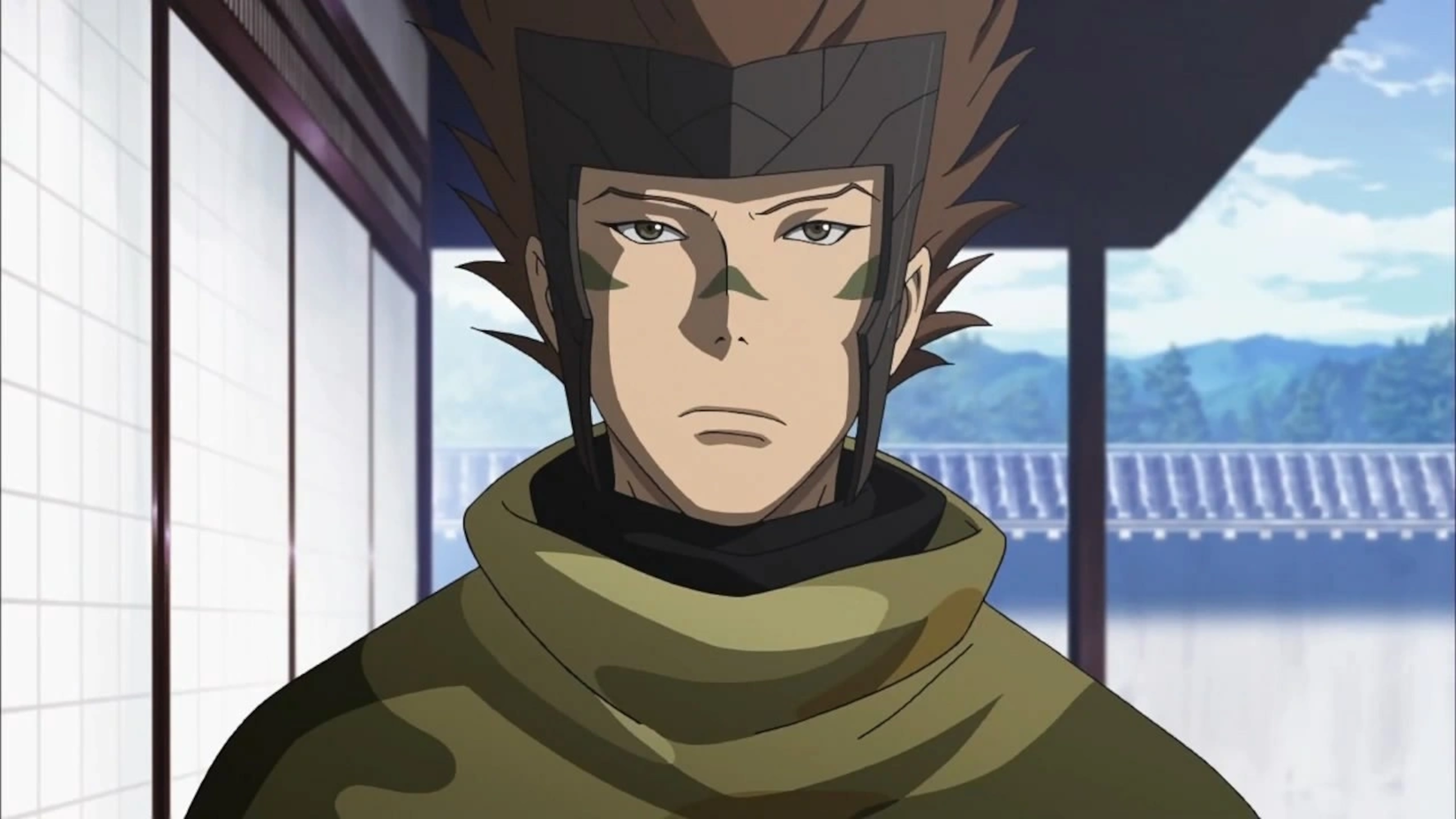
Beyond the Sarutobi connection, Naruto smacks of homages to Sasuke’s anime as well as other Sasuke Sarutobi media. In the 1968 anime’s opening theme song, even the uninitiated viewer with the most basic awareness of Naruto may catch the striking lyrics mentioning “Ninpo Kage Bunshin! Sasuke!” (Shadow Clone Jutsu), prompting an instant-double-take.
Even the uninitiated viewer with the most basic awareness of Naruto may catch the striking lyrics mentioning “Ninpo Kage Bunshin! Sasuke!”, prompting an instant-double-take.
But Sasuke doesn’t take on any Tailed Beasts, and must rely on his wits to survive while on the run from the forces who killed his mother and are after him, not unlike Sasuke Uchiha. Beyond this, the various ninja arts he learns clearly inspire Naruto’s fantastical twist, while other characters leave their footprint on anime and even Western film.
Despite even Sasuke’s 1961 original manga being preceded by an Osamu Tezuka manga over one year prior, Sasuke and its contemporaries hold clear influence over a Japan-obsessed pop culture zeitgeist. This includes characters like the historical Hattori Hanzō who, despite historically dying before the series events (~1614), likely influencing the memorable Naruto villain and even Kill Bill.
The Sasuke anime is enthralling not just as a window into how Japanese pop culture presented its classical heroes, but into how ninja fiction has changed and adjusted. The genre continues to thrive, whether it’s high-profile productions like Ninja Kamui or Shonen Jump’s latest modernized take. Now, with this Blu-ray release, Sasuke can be enjoyed in its best state ever.
A Sasuke: The Complete Television Series Blu-ray was provided to Screen Rant for the purpose of this feature.
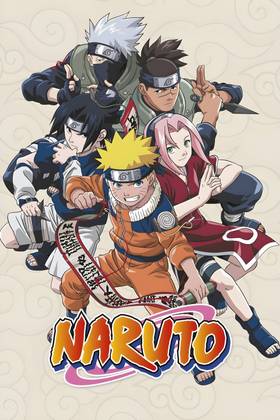
- First Episode Air Date
-
October 3, 2002
- Cast
-
Junko Takeuchi, Maile Flanagan, Noriaki Sugiyama, Chie Nakamura, Kazuhiko Inoue, Nana Mizuki, Hideo Ishikawa, Yûko Sanpei