The announcement that V for Vendetta is being adapted into a TV series by HBO has triggered waves of excitement among fans of Alan Moore. His graphic novel stands as a seminal work in comics, and the idea that HBO is bringing it to screens feels like a major event. To say V for Vendetta is beloved is an understatement, and hopes run high.
However, what drives the buzz isn’t simply that it’s one of Alan Moore’s most acclaimed stories or one of the most successful graphic novels of all time. It’s that HBO, with its reputation for risky, prestige TV, is the studio stepping in. For aficionados of Moore’s work, there’s comfort in seeing a network with a track record of taking bold adaptations seriously being given the reins.
Of all the networks and studios, HBO is perhaps the best possible home for V for Vendetta. After all, they’ve turned an Alan Moore story into a solid TV show before. The network’s previous Moore-related adaptation, Watchmen, scored a 96 % on Rotten Tomatoes and proves HBO can handle gritty, political adaptations of his work – a key reason many V for Vendetta fans are already hyped.
HBO’s Watchmen Gives Me A Lot Of Hope For The V For Vendetta Series
The 2019 Miniseries Shows Alan Moore Adaptations Can Thrive Under HBO’s Wing
In the realm of gritty, down-to-earth, and politically charged superhero TV shows, HBO’s Watchmen stands as the benchmark. When the series premiered in 2019, it did more than simply adapt a beloved graphic novel: it built on Alan Moore’s original mythos and pushed it into contemporary issues, anchoring it deeply in themes of race, legacy, and power.
The 2019 miniseries didn’t shy away from discomfort. It leaned into the idea of masked heroes, systemic violence, and identity, all while expanding the source material in bold ways. One of the biggest strengths of Watchmen is how it honours the tone of Moore’s work without becoming overly deferential.
HBO’s Watchmen understood the source material, but wasn’t afraid to reinterpret it. The show’s high critical acclaim is a testament to that willingness to risk audience expectations to deliver something meaningful. Importantly, it wasn’t a straight adaptation. The Watchmen miniseries was a sequel to the comics, set decades later. This creative direction showed that HBO and showrunners were confident enough to build within Moore’s world rather than simply retread it.
For fans of Alan Moore’s graphic novels, which are dense, layered, and philosophically charged, the success of Watchmen on HBO matters.
For fans of Alan Moore’s graphic novels, which are dense, layered, and philosophically charged, the success of Watchmen on HBO matters. It proves that HBO can handle Moore’s kind of material: the dark allegories, the political underpinnings, the moral ambiguity, and the violent reality. HBO can be trusted to give a story like V for Vendetta the respect and the creative breathing room it needs.
Moreover, the fact that Watchmen embraced topical themes (white supremacism, trauma, legacy of vigilantism) shows HBO doesn’t just use Alan Moore’s name to draw viewers. They are willing to engage with his universe seriously and reckon with what his stories meant then, and what they mean now. That matters when we’re talking about V for Vendetta, which is equally steeped in rebellion, revolution, and the dangers of authoritarianism.
With Watchmen, HBO proved they can bring Alan Moore’s unique voice to the screen and do so in a way that appeals to critics and fans of serious storytelling. That leaves me optimistic. If HBO is the studio behind V for Vendetta, then the series already has a strong foundation of credibility. Yes, Watchmen may have been divisive among diehard fans of the graphic novel, but its position as a solid miniseries can’t be denied.
V For Vendetta Hits A Lot Of The Same Notes As Watchmen
The Two Share Sociopolitical DNA That HBO Clearly Knows How To Handle
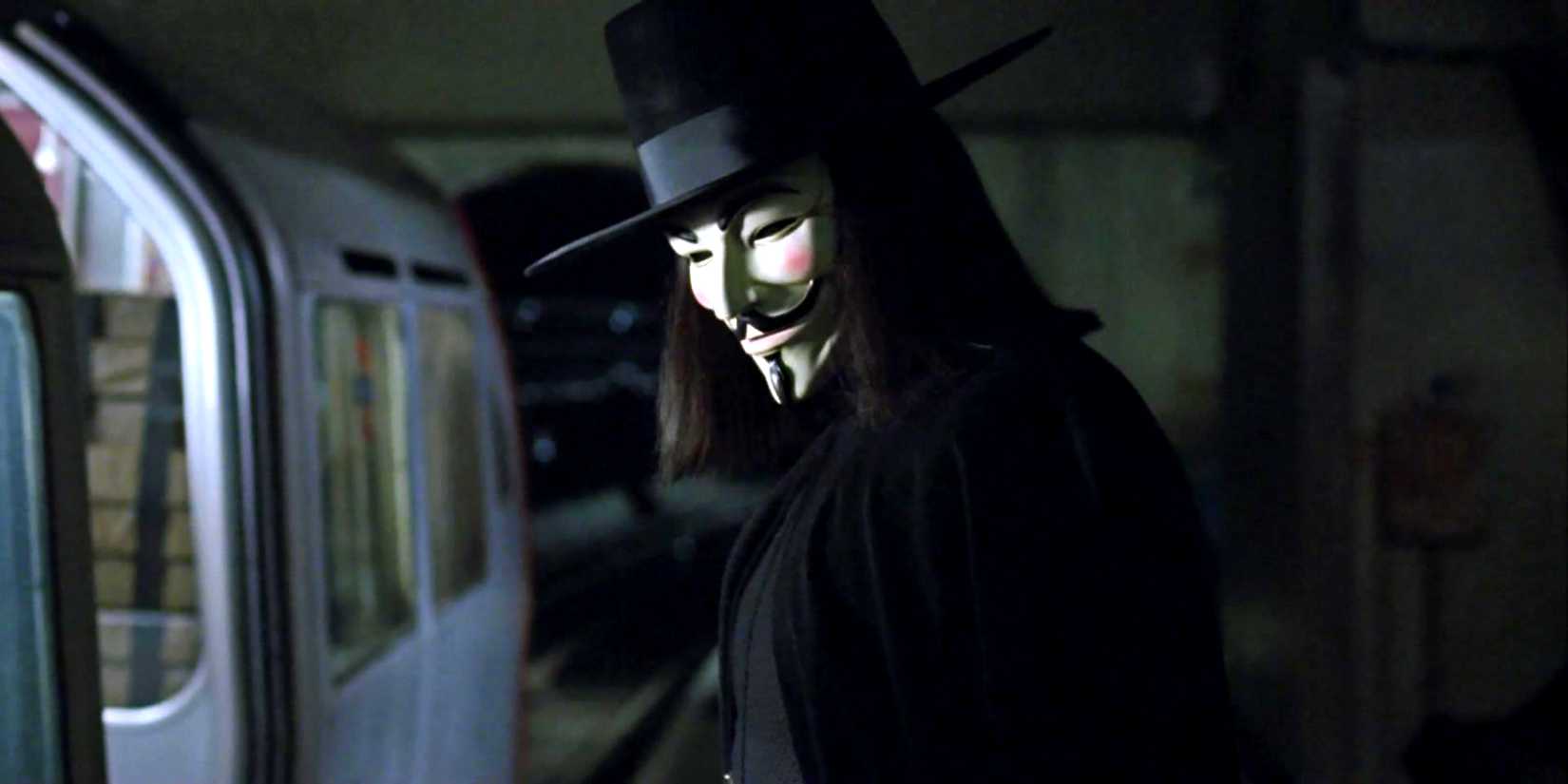
V for Vendetta and Watchmen sharing an author isn’t the only thing they have in common, which makes the upcoming HBO series all the more exciting. When you set aside the fact both series originate from Alan Moore, you’ll find a deeper alignment: both stories feature non-superpowered protagonists standing up to oppressive regimes (well, non-superpowered except for the godlike Dr. Manhattan).
In Watchmen, vigilantes and government corruption; in V for Vendetta, a masked anarchist known as V challenges a totalitarian Britain. The parallels are significant. Both narratives thrive on grit, subversion, and the idea of power in the hands of, or against, the everyday hero.
The heroes in Watchmen wear masks to hide their identities, and the show interrogates vigilante ethics and systemic racism. In V for Vendetta, the mask is the symbol of rebellion, the people rise up, the regime is ruthless. From authoritarian states to the responsibility of the individual in resisting, V for Vendetta and Watchmen are stories built on social commentary first, superhero spectacle second. The fact HBO’s already done one of those stories well means they’re experienced at telling these kinds of politically charged comic-book adaptations.
HBO’s handling of Watchmen’s moral complexity and visual ambition gives reason to believe they can do V for Vendetta justice. Plus, it must be said, V for Vendetta will be simpler to adapt in its original form. Watchmen is a great graphic novel, but it’s also a complex one with a level of nuance that hinders its broader appeal. The same isn’t true of V for Vendetta.
While the Watchmen miniseries was more of a sequel and reinvention, V for Vendetta offers an opportunity for a more direct adaptation of Moore’s original text. The dystopia, the resistance, the spectacle of the mask, and the philosophy of revolution are all themes modern audiences can easily digest.
Thematically, both works rely on the audience’s willingness to engage with violence, discomfort, and grey zones. Neither is “straightforward hero triumphs”. In Moore’s original V for Vendetta, V orchestrates campaign of terror against the regime, raising questions about whether ends justify means. That kind of uneasy moral terrain is exactly what HBO’s Watchmen TV tackled without collapsing into cliché or cheap sensationalism.
To state it plainly: if you enjoyed the Watchmen miniseries for its willingness to wrestle with power, identity, and rebellion, then HBO’s V for Vendetta looks poised to deliver in the same domain. The question is whether the show will be as bold, but the groundwork is promising. Given the network’s proven track record, I am one incredibly excited Alan Moore fan.
If HBO Repeats The Watchmen Magic, V For Vendetta Could Be Game-Changing
This May Be One Of The Most Exciting Superhero TV Shows In The Making

There’s plenty to be excited about with V for Vendetta beyond the fact that HBO is involved and Alan Moore’s name is attached. One of the big ones is, of course, that the 2005 V for Vendetta movie starring Hugo Weaving and Natalie Portman still holds up as a potent political thriller.
The V for Vendetta movie’s cult status means the source material already has cultural resonance. That bodes well for a TV series whose roots are deep. When a story remains relevant decades after it first arrived, that’s a signal its themes transcend momentary trends. V for Vendetta’s interrogation of fascism, anonymity, revolution and purpose remains potent in today’s climate.
The character of V – masked, enigmatic, radical – is iconic. The Guy Fawkes mask is now a universal symbol of protest and anonymity. That alone gives the show an edge: a built-in mythos, immediate visual identity, and thematic weight.
What HBO achieved with Watchmen by taking a comic, giving it gravitas, treating it like serious drama rather than popcorn fluff, sets expectations high.
What HBO achieved with Watchmen by taking a comic, giving it gravitas, treating it like serious drama rather than popcorn fluff, sets expectations high. If they can channel that same craftsmanship into V for Vendetta, we aren’t just getting another superhero show: we might be getting one of the best in the genre.
The involvement of James Gunn and Peter Safran adds real weight. Gunn’s stewardship of the DCU has garnered acclaim and renewed confidence in superhero storytelling. One of the reasons to believe this show will succeed is that the leadership is in place. The ambition is palpable.
Plus, one of the biggest risks with Alan Moore adaptations has always been dilution of the message. HBO has already shown with Watchmen that dilution isn’t necessary for success. If they assemble the right creative team, respect the source’s intellectual horsepower, and deliver narrative flair, this could be a game-changer.
Beyond that, the combination of dystopian Britain, the idea of revolution, masked identity, and fascist government brutality is rich narrative terrain and one that Moore explored deeply in the V for Vendetta graphic novel. HBO’s premium platform means fewer compromises, and that freedom matters for material that demands nuance. There’s potential here for a series that does not just entertain, but resonates, provokes, and lingers.
If HBO repeats the magic of Watchmen, V for Vendetta could join the upper echelons of superhero television. For fans of Moore’s work who have long yearned for the treatment his stories deserve, this development offers hope. It’s early days, but the ingredients are aligned. In an era of predictable comic-book TV shows, a bold, politically charged Alan Moore adaptation on HBO might just be the standout we’ve been waiting for.