James Cameron is the most commercially successful director of all-time, as there isn’t another filmmaker who is quite as consistent when it comes to making record-breaking financial hits. While even a filmmaker as beloved as Steven Spielberg has a few misfires like Indiana Jones and the Kingdom of the Crystal Skull, The Terminal, and The BFG, Cameron has never failed to connect with an audience, and is often responsible for pushing the medium forward. While “populist” filmmakers can often be mischaracterized as those that aim to appease a broad audience without regards to artistic merit, Cameron is a director with deep and profound ideas about humanity, technology, and the drive for innovation and discovery. Although he’s made some of the highest-grossing films ever and won multiple Academy Awards, Cameron should also be remembered as a strong environmentalist who made noble efforts to save the planet.
Although he made some of his most iconic films in the 1990s, Cameron came into his own in the 1980s during his first decade in the industry. While he first gained experience for his mastery of special effects, Cameron distinguished himself from other directors that aped the style of George Lucas and Ridley Scott through his strength as a screenwriter. Even if he’s known for making massive spectacles that employ thousands of visual effects artists, Cameron is a terrific writer with a keen eye for pacing, characterization, and audience perspective. His ‘80s are particularly impressive because of what he was able to achieve, despite not having the same amount of extensive resources that were at his disposal whilst making Avatar and Titanic. Here is every James Cameron movie of the 1980s, ranked.
4
‘Piranha II: The Spawning’ (1982)
Starring Tricia O’Neil and Steve Marachuk
Piranha II: The Spawning is almost hard to count as a real film in Cameron’s filmography, as he had little creative control or resources to execute his vision. After his talents as an art director on the first Piranha film impressed Roger Corman, Cameron was hired to direct the low-budget sequel, where he had little say over the story, direction, or application of visual effects. Cameron’s miserable experience making the film was likely an instructive moment within his career, as it showed him that it was impossible to be truly creative whilst having to appease those who didn’t know what it was like to be on an actual set. It was also important in showing Cameron how to use effects sparingly, as audiences are less likely to be impressed by visual innovation if it doesn’t contain stories and characters that they are invested in.
After being denied access to the editing room and replaced by another producer, Cameron disowned Piranha II: The Spawning, in a similar way to how David Fincher felt about his similarly disastrous experience making Alien 3. Although it’s impossible to blame Cameron for a project that he tried his best to improve, it’s also not a film that is worth watching for those that are not completionists.
3
‘The Abyss’ (1989)
Starring Ed Harris and Mary Elizabeth Mastrantonio
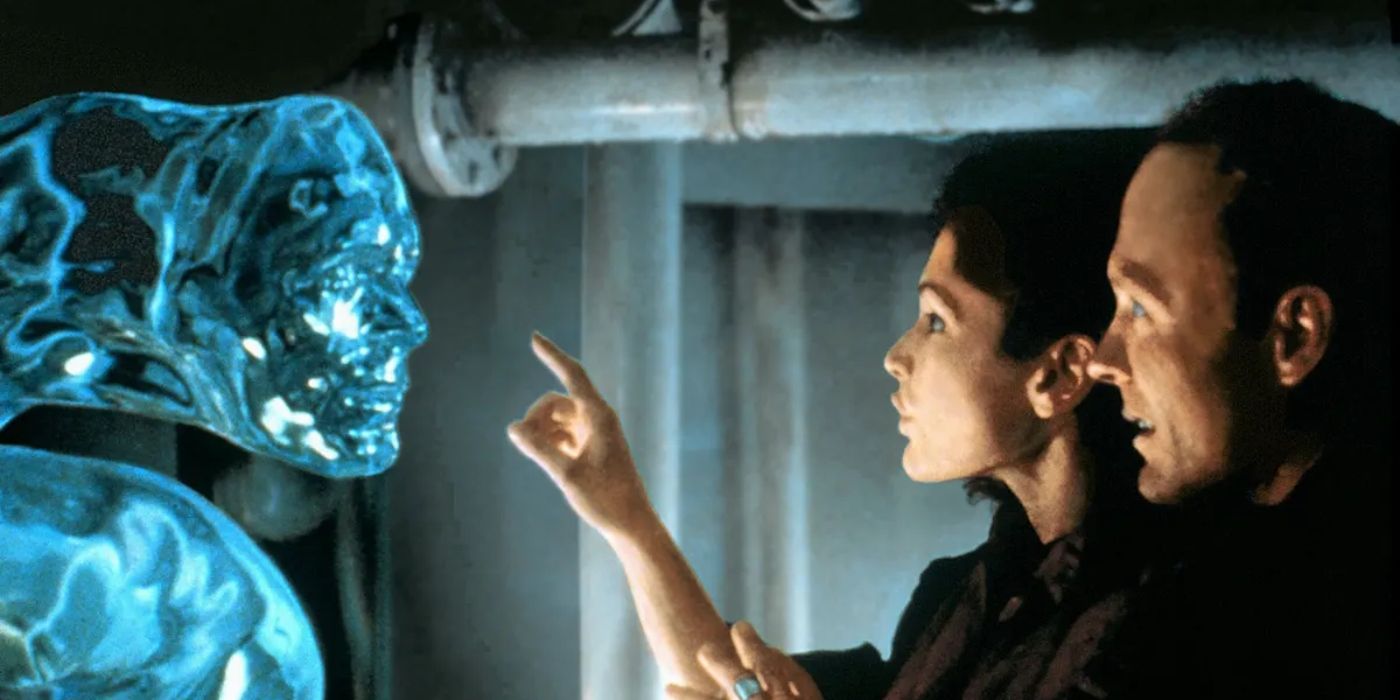
The Abyssis among the most ambitious science fiction films ever made, and stands proudly alongside similarly bold swings like Interstellar, Sunshine, Ad Astra, and Blade Runner as a film that wasn’t appreciated nearly enough at its time. Cameron showed a deep interest in what defined humanity and what possibilities life had to congeal naturally, and created some of the most immersive undersea photography ever made. While it was hardly the bomb that some may have made it out to be, The Abyss is nonetheless taken for granted in Cameron’s filmography because it is much colder and less emotional than some of his bigger successes. Nonetheless, it’s hard to imagine that Cameron would have shown the same brilliance with visual effects in Terminator 2: Judgment Day or a similar scope of vision with Avatar: The Way of Water had he not already had The Abyss under his belt.
The Abyss has become more closely associated with its chaotic behind-the-scenes process than anything else, as many cast members admitted to having miserable experiences due to the rapidly changing technology and Cameron’s exacting vision. While it’s unfortunate that such doom and gloom surrounds the film’s legacy, The Abyss is a film that was ahead of its time when it came to the use of computer-generated imagery, as the industry wouldn’t truly embrace its possibilities until the success of Jurassic Park nearly a decade later. While The Abyss isn’t nearly as rewatchable as some of his other hits, it’s also a film about obsessive innovators who are willing to sacrifice themselves in order to push humanity forward; in some ways, it may be the closest thing that Cameron has to a semi-biographical project.
2
‘The Terminator’ (1984)
Starring Linda Hamilton and Arnold Schwarzenegger

The Terminator is the film that truly announced Cameron as a filmmaker, as he was finally allowed complete creative control, despite having a minimal budget and no expectations. It’s truly impressive the economy of what Cameron achieved, as he was able to create a vast world with implications about the future of mankind, all whilst telling a confined thriller story about a woman on the run. Cameron has always done a great job at introducing strong female characters, and Linda Hamilton’s performance as Sarah Connor is one of the greatest heroes in film history. Although she wouldn’t truly become the badass warrior until the sequel, The Terminator was an important step in her journey of becoming a protector to humanity that safeguarded its future.
The Terminator was the first film to understand the possibilities that Arnold Schwarzenegger had as a star, as he had previously only appeared as a physical presence in Conan the Barbarian. Cameron understood that the Austrian actor’s physicality could be used to strike an incredibly intimidating presence, and gave him the opportunity to craft a real character; even if the T-1000 is known for having an emotionless approach to every situation, Schwarzenegger’s performance could not be described as robotic. Cameron was able to explain the complicated notion of time travel without becoming entirely confusing or opening himself up to plot holes, but also succeeded in making a gritty, relentless thriller that barely gave the audience an opportunity to catch their breath. It truly speaks to Cameron’s brilliance that the franchise collapsed without his involvement; although there are now six films in The Terminator franchise, the two that Cameron directed are leaps and bounds above the rest, and stand out as all-time classics.

The Terminator
- Release Date
-
October 26, 1984
- Runtime
-
108 minutes
- Director
-
James Cameron
- Writers
-
James Cameron, Gale Anne Hurd, William Wisher
- Producers
-
Gale Anne Hurd, John Daly
1
‘Aliens’ (1986)
Starring Sigourney Weaver and Michael Biehn
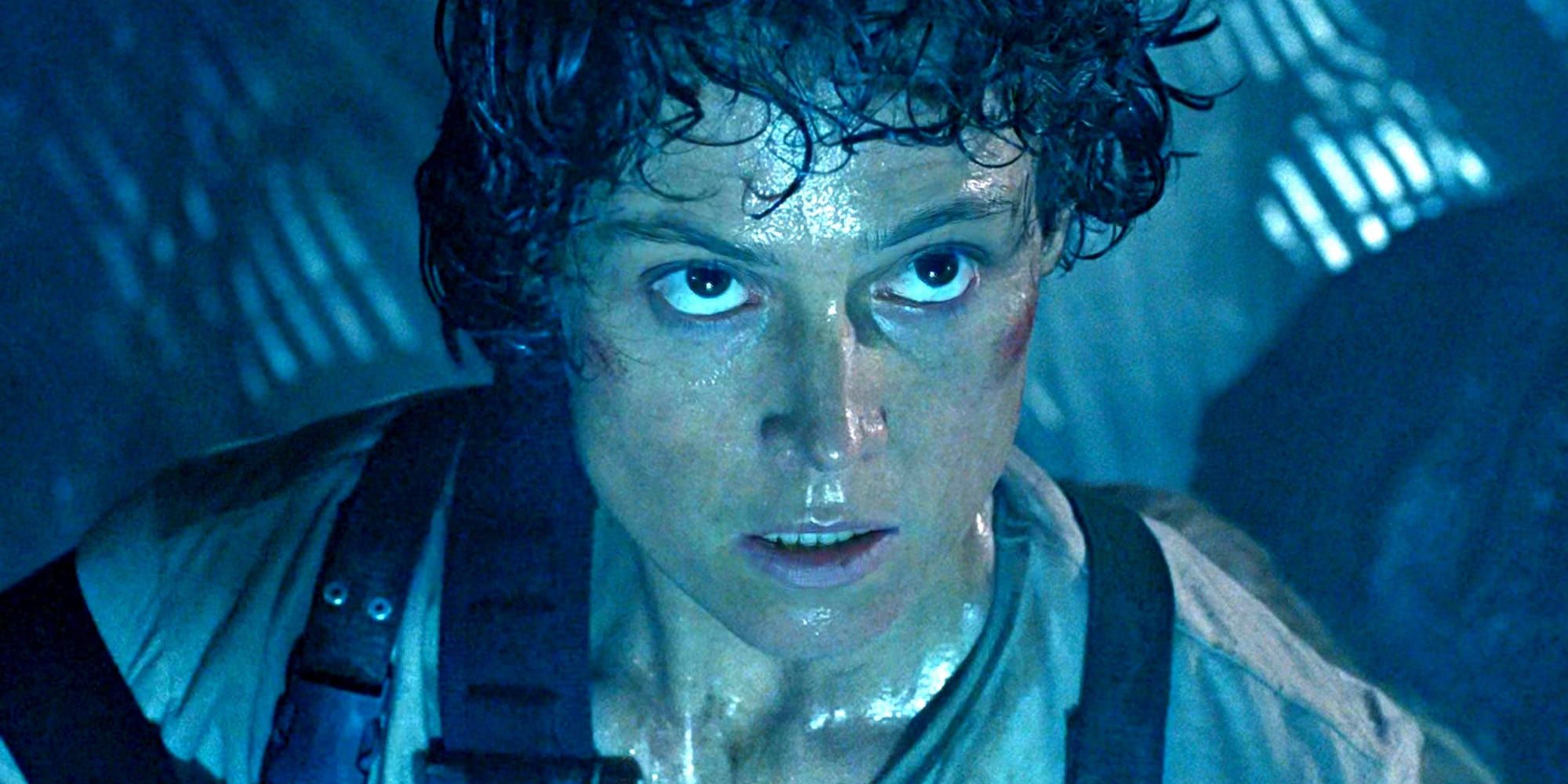
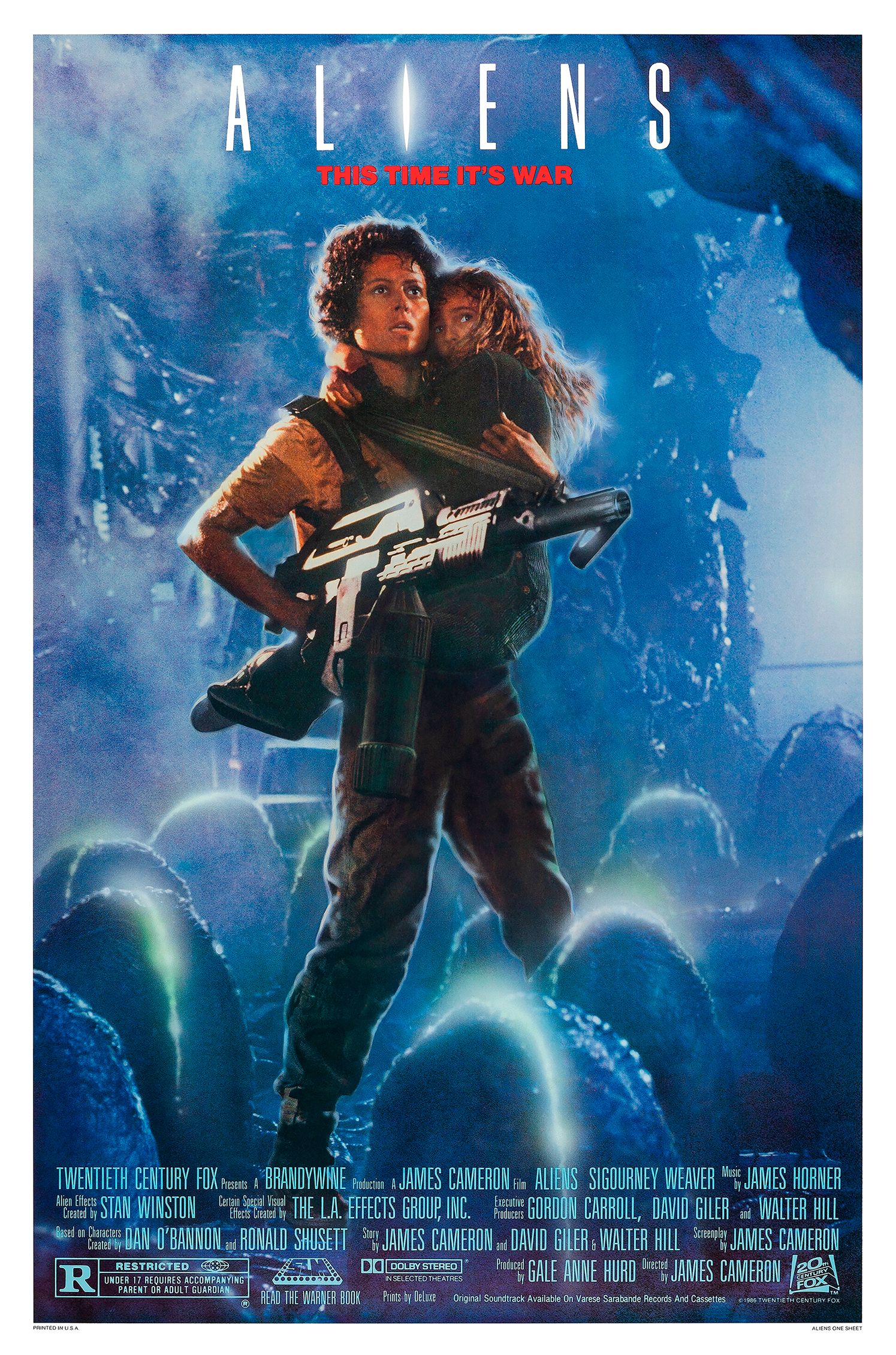
Aliensis within an exclusive list of sequels that were tasked with following up an established masterpiece and still succeeding, which includes The Godfather: Part II, The Empire Strikes Back, The Lord of the Rings: The Two Towers, and Before Sunset. While fans of the franchise are split on whether Alien or Aliens is the superior film, it’s amazing that they are both so excellent for different reasons. If the original Alien is a slasher film in space that focuses on the terror of isolation, Aliens is a relentless war thriller about unprepared soldiers thrust into a situation they are not prepared for by a ruthless and cruel corporation. Although Cameron has often used his films to critique capitalism and corporate greed, Aliens captured a “feat of the unknown” that felt particularly relevant in 1986, when Hollywood was recovering from the lasting trauma of the United States military’s involvement in the Vietnam War. The fact that Cameron was able to insert such nakedly political commentary into one of the most financially successful blockbusters of the 1980s is proof that he is an unparalleled auteur who should be praised for the way he changed the industry.
Aliens is a more emotionally involving film than its predecessor, as Ellen Ripley (Sigourney Weaver) must go between being a victim to an avenger, as she fills a maternal role and gets to take a leadership position within the team of Colonial Marines. Although it’s a far more action-packed film than what Scott did with Alien, Aliens is by no means a weightless bit of spectacle, as Cameron commands suspense and intrigue as Ripley ventures deeper into the unknown. It’s remarkable that a film that is now nearly four decades old features visual effects, makeup, and production design that still holds up, and frankly looks much better than much of the slop produced by today’s studios on a much more sizable budget. It’s also the film that truly solidified Ripley as one of the greatest characters in film history, as Weaver even earned an Academy Award nomination for Best Actress; this was rare for a science fiction film, and even more unusual considering that she was overlooked for her work in Alien. Although Cameron still allows for humor in the form of Bill Paxton as Hicks, Aliens is a grounded thriller that makes every piece of science fiction worldbuilding feel just as authentic as the underwater footage that he captured in his documentaries.
aliens
- Release Date
-
July 18, 1986
- Runtime
-
137 minutes
- Director
-
James Cameron