Few anime films have hit audiences as hard as Demon Slayer: Mugen Train. The death of Kyojuro Rengoku left theatergoers in tears and set a new standard for emotional storytelling in anime cinema. But as powerful as that moment was, it may pale in comparison to what Demon Slayer: Infinity Castle is preparing to deliver.
Where Mugen Train centered on the tragic fall of one hero, Infinity Castle expands its scope. It intertwines multiple heartbreaking arcs, blending the histories of demons, the sacrifices of Hashira, and the painful evolution of beloved characters. This is not just another step in the Demon Slayer journey, it could very well be the most emotional anime film of all time.
The Legacy of Mugen Train and Why Infinity Castle Goes Further
Mugen Train earned its reputation as an emotional movie largely because of Rengoku’s sacrifice. His warmth, strength, and ultimate death created an unforgettable narrative moment. Yet, the emotional foundation of that film rested on a single climactic tragedy. Infinity Castle promises something far broader and more devastating.
The stakes are higher this time. Nearly every major character faces life-or-death struggles, and the series wastes no time in reminding fans that no one is untouchable. The emotional intensity does not just build toward one character’s death, it unfolds across a battlefield filled with simultaneous heartbreak.
What makes Infinity Castle so compelling is its balance of action and sorrow. Every battle is intertwined with the raw humanity of demons with tortured pasts, slayers carrying unbearable burdens, and bonds tested to their breaking point. Unlike Mugen Train, which left audiences devastated in its final act, Infinity Castle sustains that level of emotion throughout its runtime.
Akaza, Kanao, and the Weight of Backstories

One of the main reasons Infinity Castle will surpass Mugen Train in emotional weight is the depth of character backstories. Akaza, previously introduced as Rengoku’s killer, is revealed to be far more complex. His human past carries tragic notes of loss and regret, giving audiences a reason to feel sorrow for the very demon they once despised.
By exploring the humanity behind its villains, the film blurs the line between good and evil. Akaza’s arc is not about redemption but about understanding the brokenness that created him. For fans, this perspective shift transforms a hated enemy into one of the most tragic figures in the story, making his fate even harder to watch.
Kanao Tsuyuri’s role also heightens the emotion. Her quiet strength and loyalty hide a backstory filled with pain and resilience. Watching her step into the spotlight in Infinity Castle is both uplifting and heartbreaking. The battles she faces push her to limits she never imagined, demanding sacrifices that resonate deeply with the audience.
Each character carries scars, and Infinity Castle ensures the audience feels every wound.
When paired with Shinobu Kocho’s storyline, which is fueled by vengeance, compassion, and ultimate selflessness, the emotional core of the narrative becomes undeniable. Each character carries scars, and Infinity Castle ensures the audience feels every wound.
Zenitsu, Sacrifice, and the Cost of War
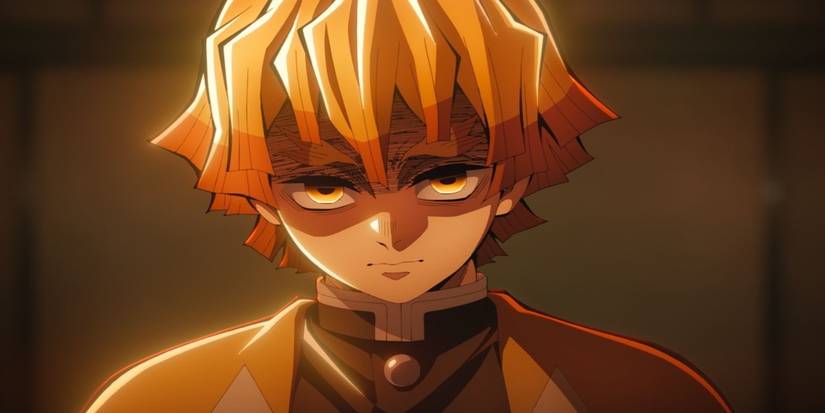
While many fans see Zenitsu as comic relief, Infinity Castle transforms him. His sudden seriousness shocks not only his allies but also the audience. Behind that shift lies a personal revelation that reshapes his character, adding unexpected weight to someone long dismissed as cowardly. It is a moment that redefines Zenitsu’s role in the series and heightens the film’s emotional impact.
Zenitsu’s growth mirrors the broader theme of sacrifice that permeates Infinity Castle. Every Demon Slayer enters the battle knowing death is almost certain, and the film does not shy away from showing the toll of that reality. The story forces the audience to confront the idea that bravery often comes hand-in-hand with devastating loss.
Unlike Mugen Train, which centered on a singular heroic sacrifice, Infinity Castle presents a battlefield where sacrifice is multiplied. Each slayer faces choices that demand everything from them, whether it’s their lives, their dreams, or the bonds they’ve fought so hard to protect. This unrelenting depiction of war makes the film emotionally exhausting in the most unforgettable way.
Why Fans Are Not Ready for Infinity Castle
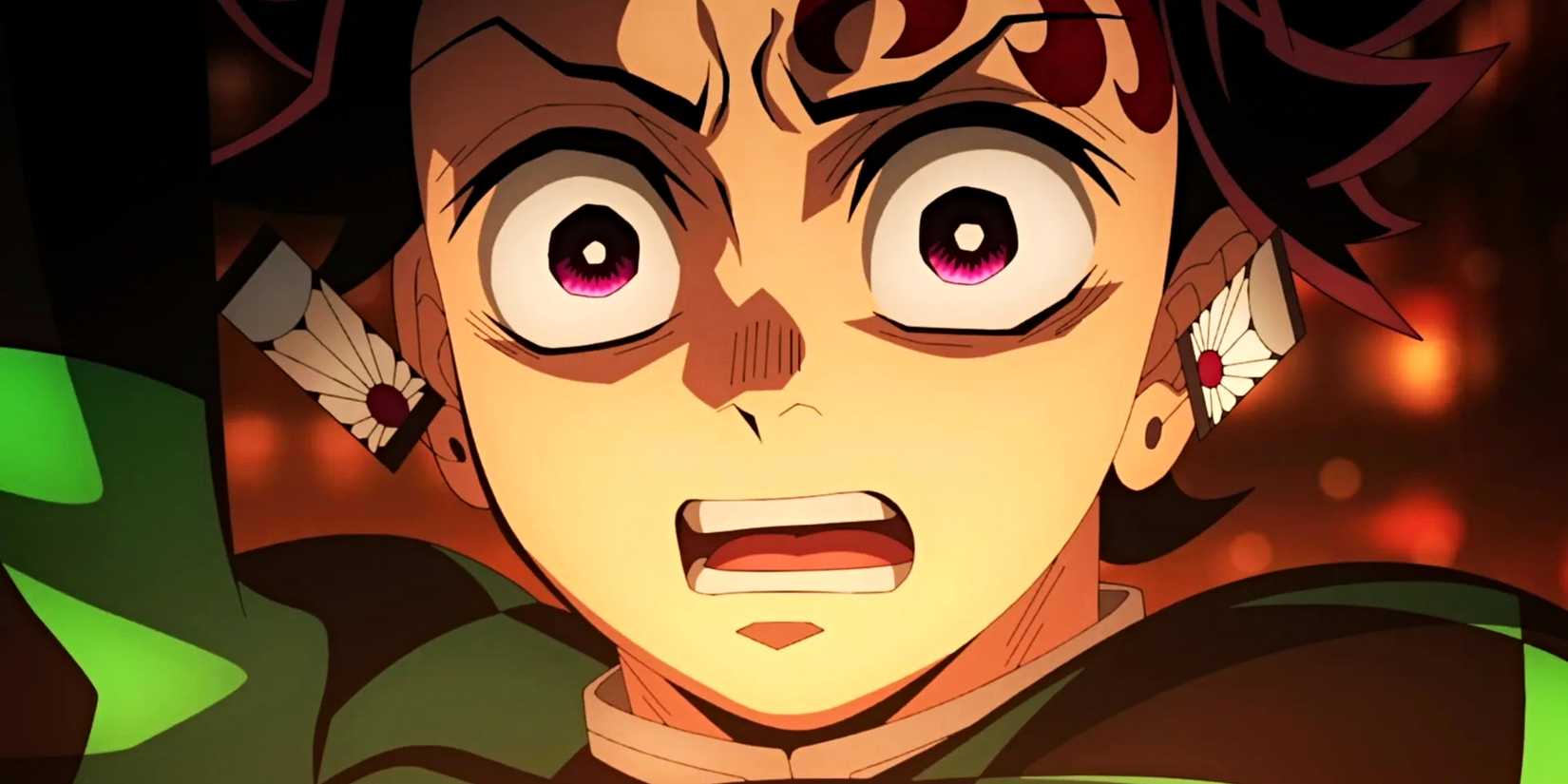
Possibly the most intense reason Infinity Castle will break audiences lies in its cumulative weight. By this point in the series, viewers are deeply invested in every character. Losing even one feels unbearable, but the castle promises multiple devastating farewells. The sheer scale of tragedy ensures that no fan leaves unshaken.
What sets this apart from other emotional anime films is the layering. Each scene builds on years of storytelling, weaving past and present together into a tapestry of grief and love. The film does not just ask fans to mourn the dead, it asks them to reflect on the fragility of bonds and the cost of fighting for hope.
Even anime known for tragic arcs, like Grave of the Fireflies or Your Lie in April, center on one or two key emotional blows.Infinity Castle offers wave after wave of heartbreak, each tied to a character audiences have grown alongside for years. That makes the devastation not just powerful, but personal.
Infinity Castle is One of Anime’s Most Emotional Films, Prove Me Wrong

Calling Demon Slayer: Infinity Castle the most emotional anime film of all time is not hyperbole, it is an acknowledgment of what the story sets out to achieve. With Akaza’s tragic past, Shinobu’s sacrifice, Kanao’s struggle, and Zenitsu’s transformation, the film layers pain, resilience, and fleeting hope into a narrative unlike any other.
While Mugen Train shook audiences with one monumental loss, Infinity Castle delivers a cascade of heartbreaks, each more crushing than the last.
While Mugen Train shook audiences with one monumental loss, Infinity Castle delivers a cascade of heartbreaks, each more crushing than the last. It is not simply sad, it is devastating on a scale anime cinema has rarely attempted. Fans may think they are ready, but once the credits roll, they will know otherwise.
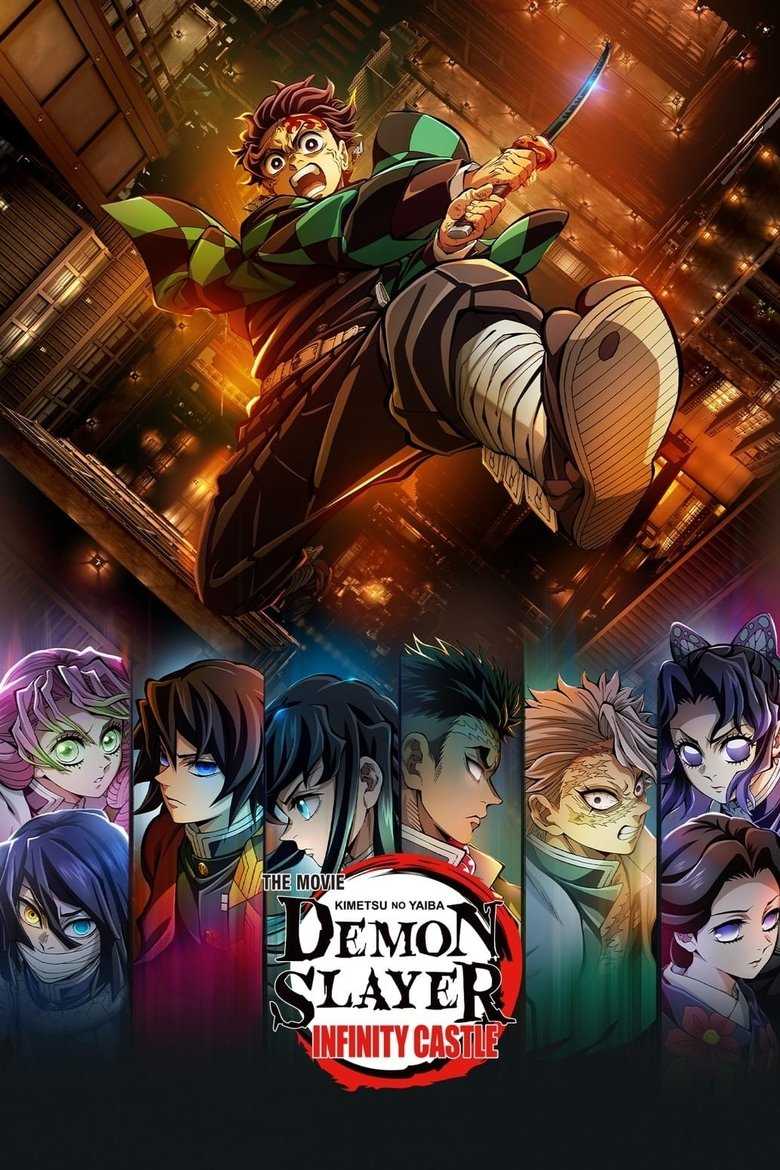
- Release Date
-
July 18, 2025
- Runtime
-
155 Minutes
- Director
-
Haruo Sotozaki, Hikaru Kondo
- Writers
-
Koyoharu Gotouge, Hikaru Kondo
-

Natsuki Hanae
Tanjiro Kamado (voice)
-
Akari Kito
Nezuko Kamado (voice)