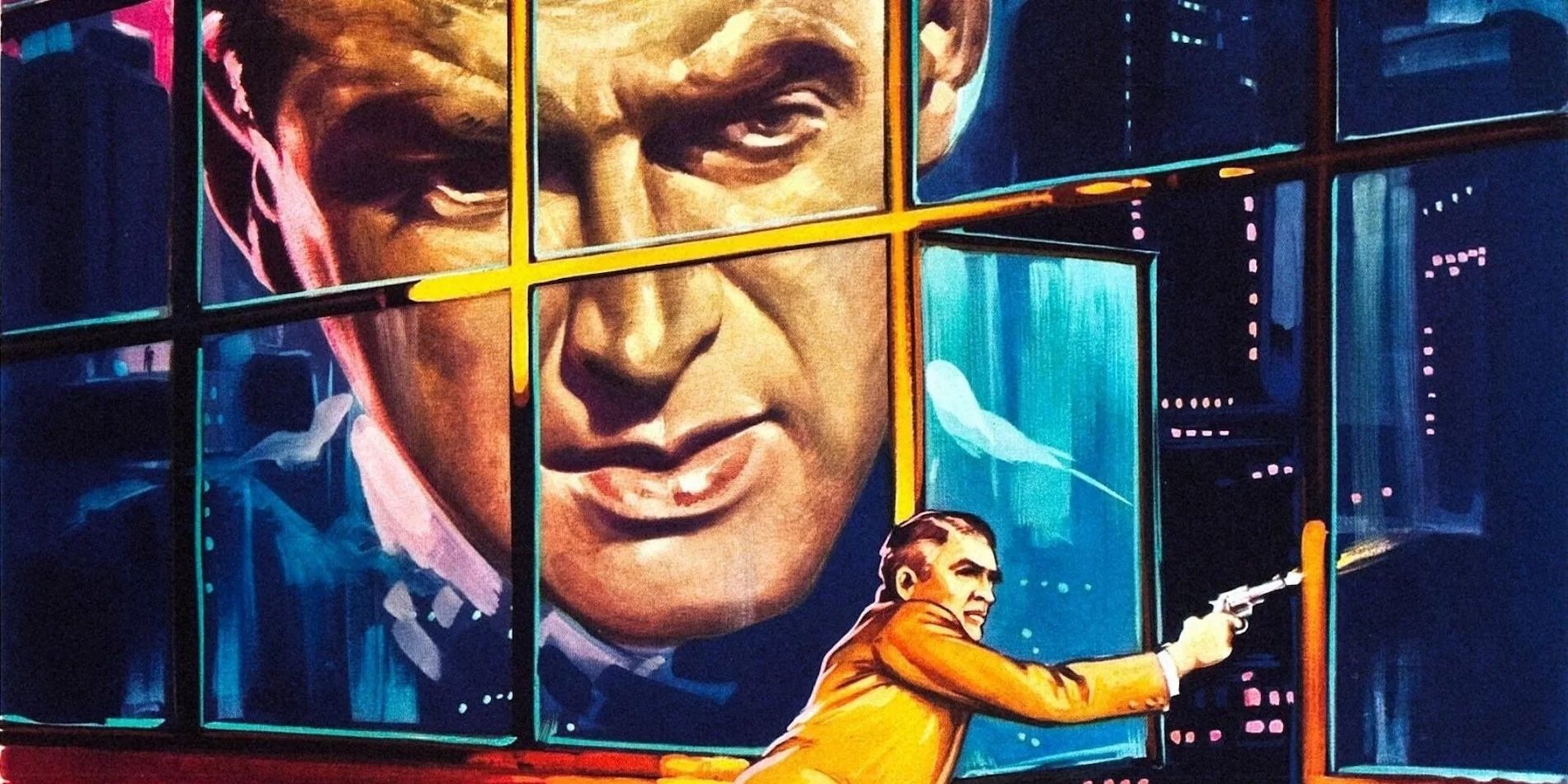
Alfred Hitchcock has long been one of the most influential filmmakers in the history of cinema, and few films in his iconic filmography have had the lasting impact of 1954’s Rear Window. For those few who have yet to gaze upon Hitchcock’s masterwork, the film starred Hollywood icon James “Jimmy” Stewart as L.B. “Jeff” Jefferies, a wheelchair-bound photographer who passes the time by spying on his neighbors from the window of his small apartment. What starts as simple voyeurism becomes an obsession as Jefferies is convinced that one of his neighbors has murdered his wife. Hitchcock was a master of simplicity, and Rear Window is the prime example of this fact, and it remains one of his most revered films to date, and rightfully so.
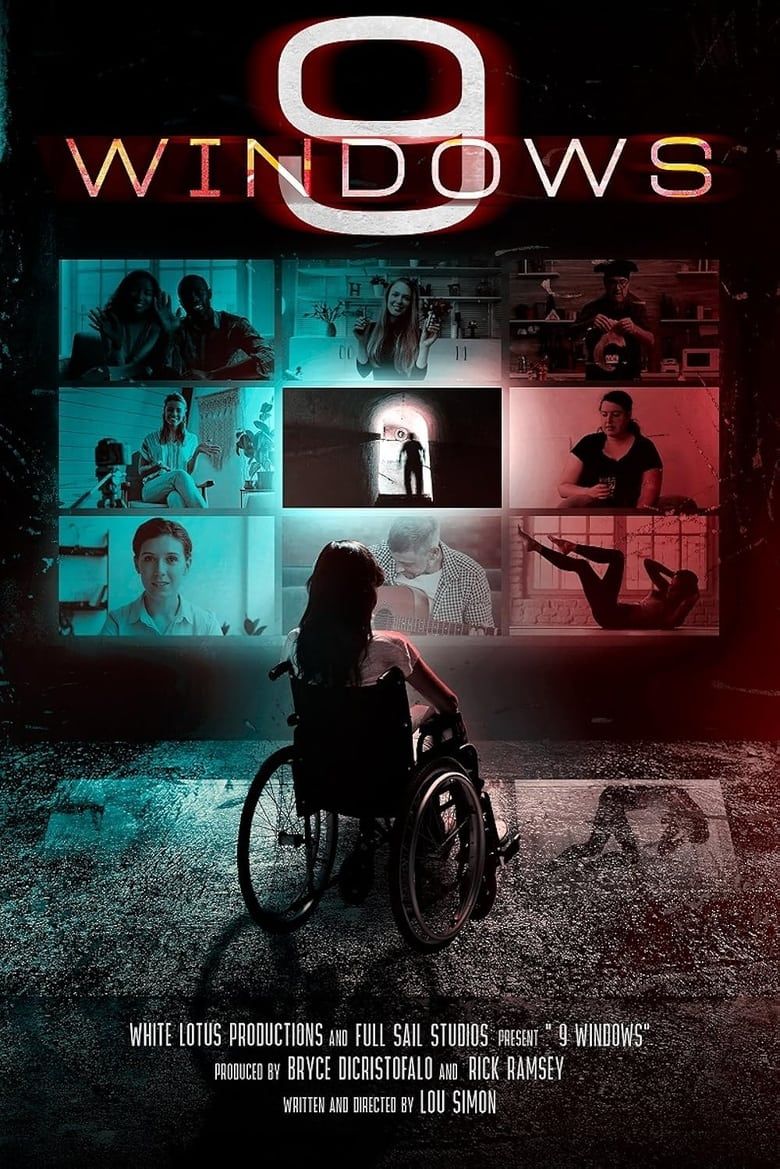
And in the seventy years since Hitchcock’s timeless masterpiece, many filmmakers have attempted to take the simplistic premise of Hitchcock’s one-location thriller and capture their own version of Hitchcockian magic, to varying degrees of success. Films such as 2007’s Disturbia starring Shia LaBeouf have done an impressive job at giving the Hitchcock classic a modern rendition, even if it’s ultimately impossible to duplicate the genius of the Master of Suspense. Not even Jeff Bleckner‘s own Rear Window remake could accomplish such a feat, despite starring the late, great Christopher Reeve. However, that doesn’t keep many modern filmmakers from trying, with the latest attempt at bringing Rear Window into the twenty-first century in the form of the low-budget screenlife thriller, 9 Windows.
What Is ‘9 Windows’ About?
Now streaming on Tubi, 9 Windows follows Liza (Diana Garle), a young woman reeling from the tragic loss of her parents in a car accident, which has left Liza wheelchair-bound, not unlike Jimmy Stewart’s L.B. Jefferies. But rather than spying on her neighbors, Liza takes to social media, using it as a means to dump her anger and grief onto others, becoming something of a cyberbully in the process. But once Liza witnesses what she believes to be an authentic murder online, she gets swept up in a race to catch whoever is responsiblebefore they claim further victims. If only the film itself were as exciting as its premise.
The subgenre of screenlife thrillers has become increasingly popular over the last decade, telling stories driven entirely by modern technology rather efficiently, whether it be 2013’s The Den or the duology of 2018’s Searching and 2023’s Missing, all of which have found a distinct way to keep their one-screen format engaging from beginning to end. 9 Windows, on the other hand, is a bit different, in that the film doesn’t take place completely on one computer/phone screen but rather cuts back-and-forth between Liza’s various screens and her life outside of her computer, which is unfortunately a huge detriment to the film as a whole, as it never establishes its own identity but rather clings to aspects of these aforementioned screenlife thrillers while still trying to replicate the tension of Hitchcock’s workbut lacking the necessary balance or style to keep either side engaging.
‘9 Windows’ Is a Disastrous, Often Cringe-Worthy Screenlife Thriller
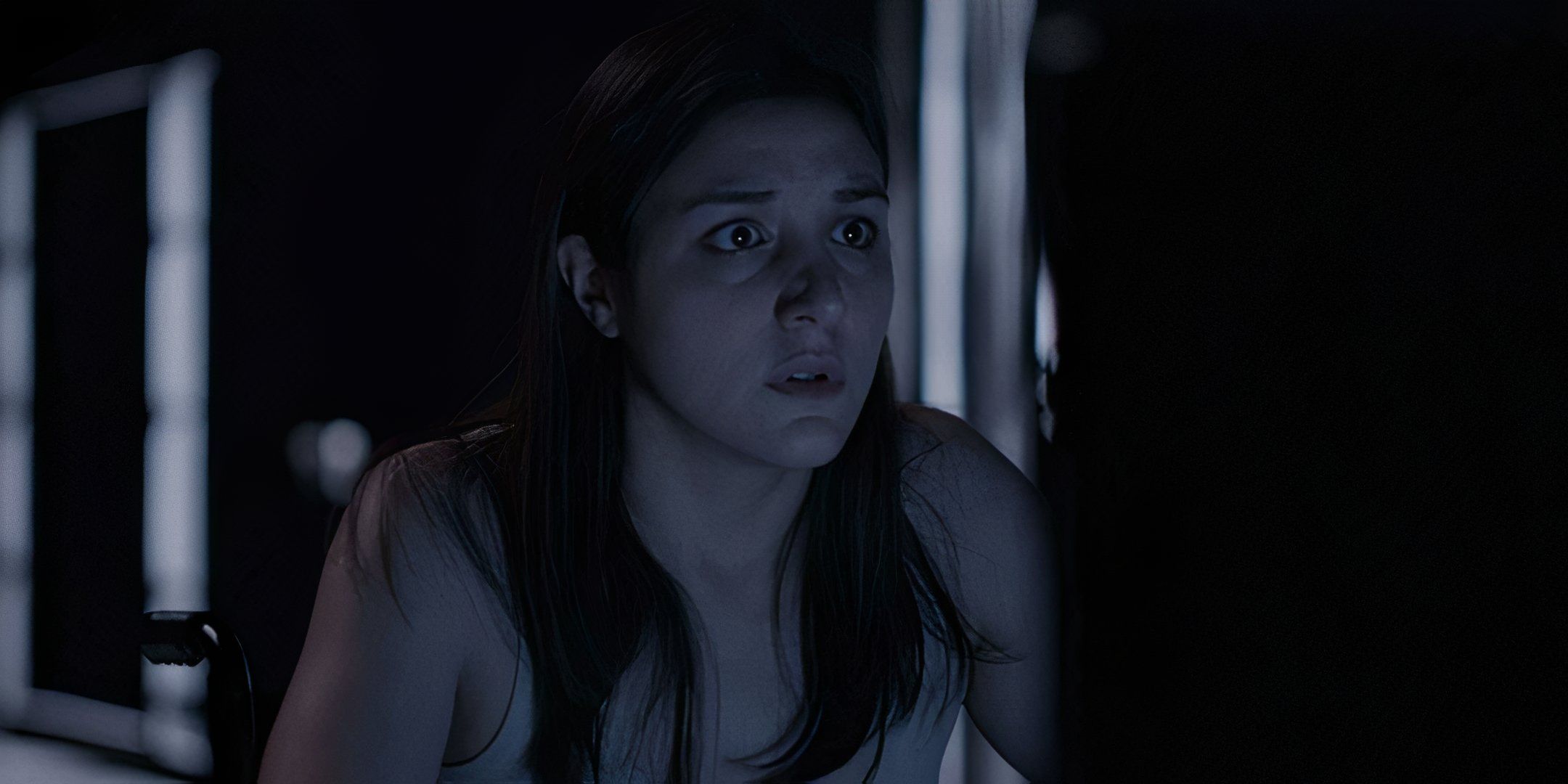
While I don’t often like to heavily criticize films which are clearly made on a shoestring budget, 9 Windows is a special case of awful. Despite occasionally solid practical effects—the use of blood is one of the only effective aspects of the entire film—the majority of 9 Windows is laughably unconvincing and poorly shot, often looking closer to a movie your mom would watch on the ID or Hallmark Channel on a random Tuesday afternoon than to a proper cinematic production. This isn’t inherently a bad thing, but the cringe-worthy performances do it no favors. Diana Garle is clearly trying her best in the lead role, but the majority of her line delivery is rather clunky and awkward, as she simply doesn’t sell the distress or anguish of Liza, and her chemistry with co-star Christopher Millan—who feels hopelessly miscast and unconvincing in his role as well—is severely lacking.
It doesn’t help that the script doesn’t do the actors any favors whatsoever. Director Lou Simon also pens the screenplay here, and it’s a concoction of bland tropes and scenarios that are meant to build tension, but feel low-energy and painstakingly familiar in execution. The film attempts to deliver a message about the dangers of cyberbullying and our endless consumption of social media, but 9 Windows is afraid to commit or add anything new to the conversation, just scratching the surface of these ideas. Another screenlife horror/thriller, 2014’s Unfriended by Blumhouse Productions, tackled similar themes in a considerably more terrifying and emotionally effective manner, even if it does veer into silliness with some of its supernatural aspects, which makes 9 Windows feel all the more pointless.
Related
8 Alfred Hitchcock Movies That Are Almost Masterpieces, Ranked
The Master of Suspense’s near-masterworks.
The film’s attempts at capturing the magic of Rear Window—or even Disturbia for that matter—are futile, to say the least. 9 Windows lacks any sense of urgency or suspense that those films conjured, and the character of Liza herself is frustratingly unlikable. She’s a genuinely terrible person whose arc from cyberbully to reformed nice girl doesn’t feel earned in the slightest, despite the film’s best efforts to redeem her character, which makes her a very hard protagonist to root for. One could argue that the voyeuristic tendencies of Jimmy Stewart’s Jeff border on immoral, but Hitchcock wisely uses that to the film’s advantage and rather lets the audience decide what to make of the character’s flaws. Whereas Lou Simon’s script consistently has Liza making the most despicable remarks and questionable decisions with no real rhyme or reason beyond creating a superficial arc for the character.
‘9 Windows’ Is a Great “So Bad, It’s Good” Movie
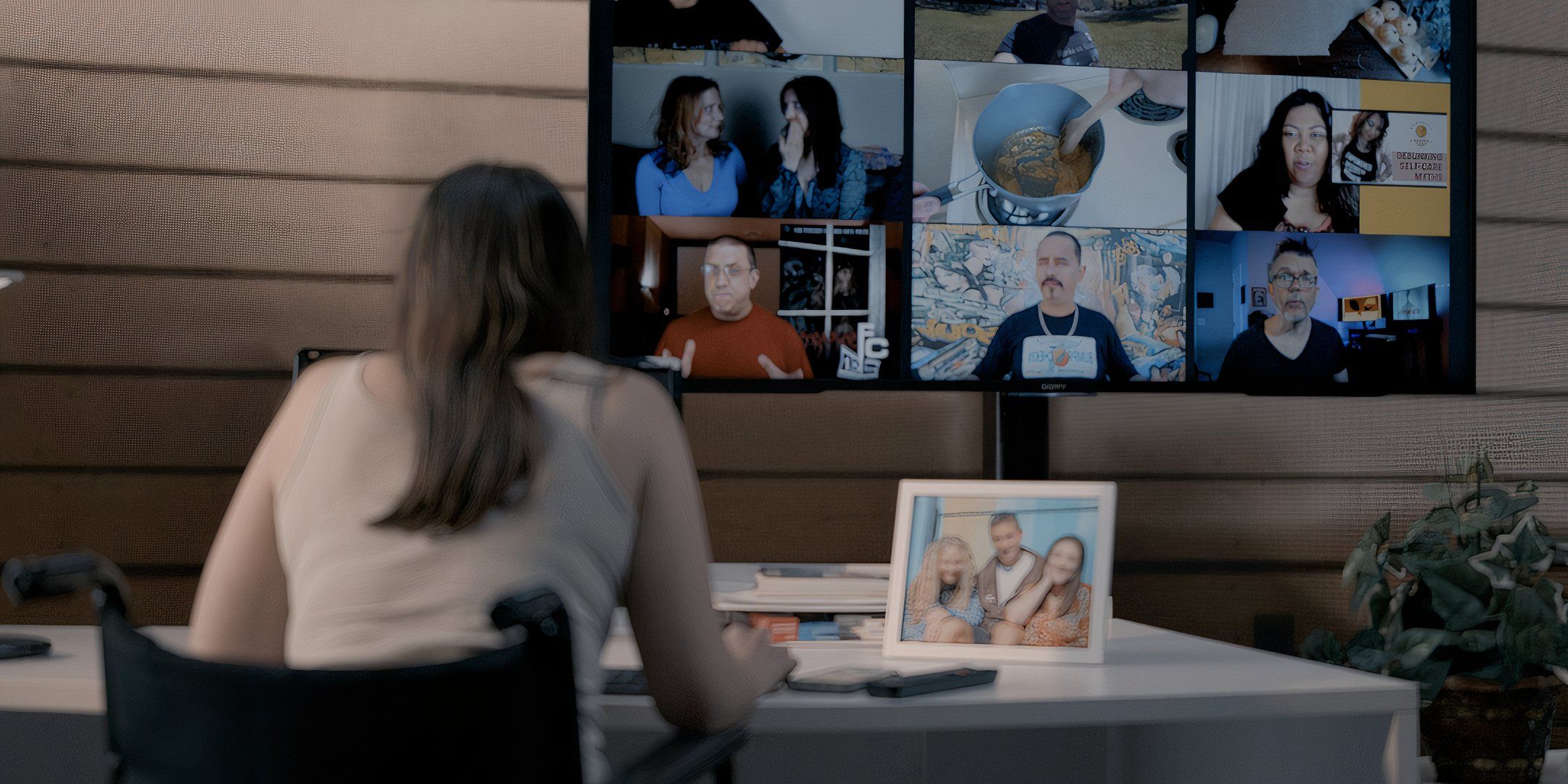
But while 9 Windows may completely and utterly fail at delivering the suspense of Hitchcock’s Rear Window or the hard-hitting message of Unfriended, it does offer some entertainment value for those who love trashy B-movies. There were countless moments when watching this film that I found myself laughing hysterically at the inane dialogue or the unconvincing performances, enough to the point that I could outright recommend watching 9 Windows if you find yourself in the right kind of mood. As far as low-budget horror movies go, this is scarily close to scraping the bottom of the barrel, but there is a slight morsel of charm to be found in this type of film if that’s your thing.
It’s a true shame that 9 Windows couldn’t capitalize on its potentially fun and suspenseful premise. This is a film ripe with opportunity to explore the downsides of technology and social media, and perhaps the positive effects as well, but it can’t commit to what it wants to be and fails to generate any of the magic of the films that inspired it, especially that of Hitchcock’s iconic classic. There are countless films out there that take the concepts presented here in far more believable and fascinating directions, and your time would be much better spent watching any of those instead, that is, if you don’t enjoy the occasional low-budget disasterpiece. Needless to say, Hitchcock, this ain’t!