In 1959, Rod Serling changed TV forever with his series The Twilight Zone. It became a staple on CBS for five seasons, and it was so beloved and inventive that it led to several reboot series and a controversial theatrical film in 1983. Even if you’ve never seen The Twilight Zone before, it’s such a pop culture phenomenon that you know its iconic theme song and those images of Rod Serling in black-and-white asking you to imagine a different world. Television didn’t often take risks in the ’60s, with light sitcoms and Westerns being the ratings winners, but The Twilight Zone challenged its viewers to examine a wider society through the lens of science fiction, fantasy, and horror.
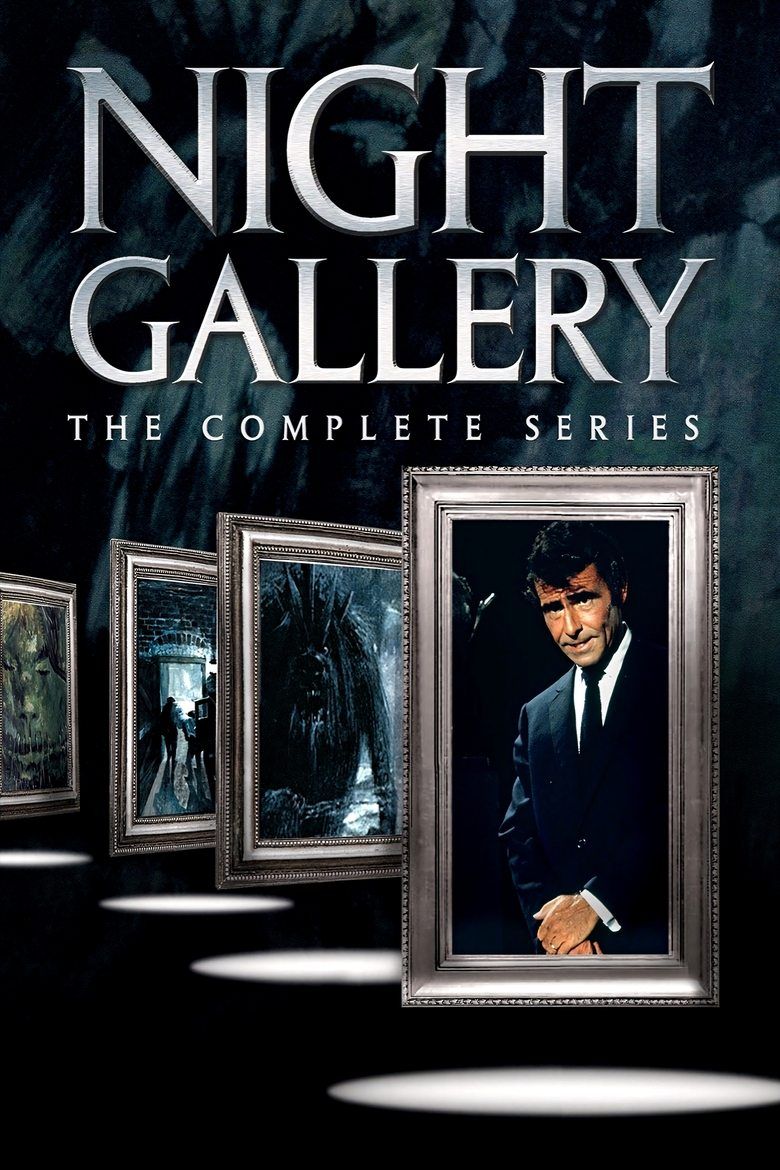
In 1964, after The Twilight Zone had been cancelled for a third time, Serling needed somewhere else to go with his creativity. It took five years, but in 1969, Night Gallery was born on NBC. It began with a pilot anthology film written by Serling before becoming a weekly series. It followed a similar format as The Twilight Zone, with Serling back as the host, but this time around, it went darker, as the series leaned more into terrifying horror. It lasted for three seasons, and although it’s not as famous as what came before, it deserves to be recognized for what it influenced.
A Segment of the ‘Night Gallery’ TV Movie Was Steven Spielberg’s Directorial Debut
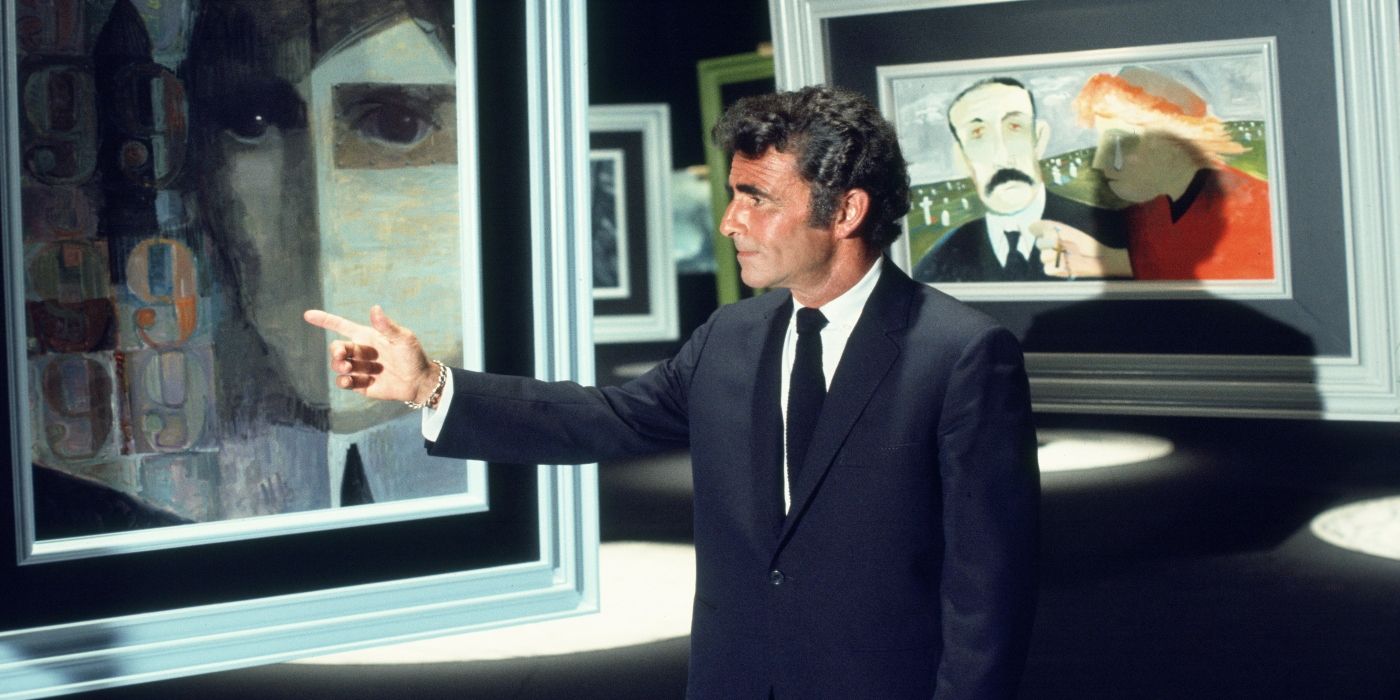
The Night Gallery pilot film premiered in November 1969, in color, with Serling serving as the host. He would introduce the coming stories by standing in a gallery filled with paintings, where he’d point to a painting and describe it, before the short film began. The pilot is made up of three short films and is filled with star power, including the likes of Joan Crawford, Roddy McDowall, and Ossie Davis. Each part of the anthology also had a different director. Two of them were Boris Sagal and Barry Shear, but the third was an unknown twenty-three-year-old making his directorial debut named Steven Spielberg.
Spielberg’s directing credit goes to the segment “Eyes,” starring Joan Crawford in one of her last roles. Imagine being a guy just barely old enough to drink giving direction to an all-time film icon! “Eyes,” written by Serling (as was every other short in the pilot), is about a blind woman named Claudia (Crawford) who undergoes an illegal operation to regain her sight by taking the eyes of a gambler desperate for money. Spielberg’s segment was impressive enough that when Night Gallery was picked up as a series, he was asked back twice more to direct episodes, but the last nearly ended his career. During an interview on The Late Show with Stephen Colbert, he spoke about directing the episode “Make Me Laugh.” Wanting to show off his artistic ability, he decided to shoot his 11-minute episode as one shot. But then the studio saw it. Spielberg told Colbert:
“[They said] ‘Where’s the close-up coverage, where’s the over-the-shoulder shots, where are the prerequisites for making it look like a television show?’ And I immediately got a call from an executive, I won’t mention that person’s name, who said, ‘We’re appalled by what we see. That’s one of the most irresponsible experiences I’ve ever had with a director working for me, and we’re going to reshoot the show with another director.’ And that was the end of it.”
Rod Serling Struggled With Creative Control on ‘Night Gallery’
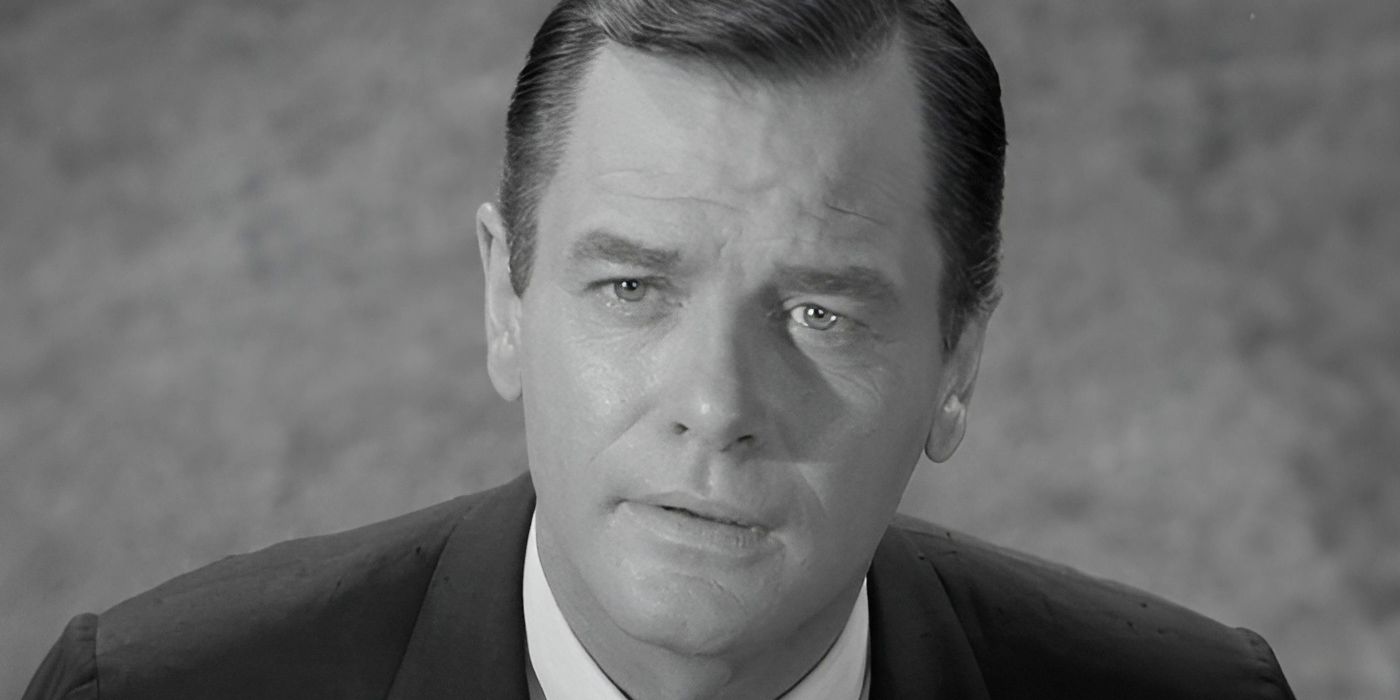
Rod Serling wasn’t just a TV show creator and host. Most importantly of all, he was a writer. Many of those classic Twilight Zone episodes you love, he wrote them. The same goes with Night Gallery. Both shows are the product of his creative genius, where he used the fantastical and macabre to point a finger at issues such as racism and war. However, as the seasons went on, Serling wrote fewer and fewer episodes, as the show became about what NBC wanted instead. Serling had no problem talking about his lost vision while appearing on an episode of The Dick Cavett Show. There, the host brought up a TV Guide article where Serling came off as depressed about his career, despite the tremendous success he’d had. This was because, in his opinion, Night Gallery had lost its way.
Related
This ‘Twilight Zone’ Masterpiece Is Rod Serling’s Most Personally Tragic Episode
Who hasn’t dreamed of going home?
Serling told Cavett that he’d been reduced to being a frontman for the show, adding that “it doesn’t remotely belong to me.” He was disappointed that Night Gallery had become “a quick run through the cemetery” that tried to be more action-heavy and compete with other shows. This wasn’t how Night Gallery started. Serling called the original intent a “cerebral exercise” that could be all genres. He spoke about losing control to the point that “I wish they’d use someone else other than me.” This was because NBC took it over so completely that they stopped calling Serling. If you’re a writer, you adore Rod Serling, who said that in every medium, “be it film or TV, the writers should exercise a great deal of control.” He was a man who never backed down from what he believed in.
‘Night Gallery’ Became an Influential Anthology Horror Series
Network involvement got in the way of Night Gallery reaching the heights of The Twilight Zone, but this doesn’t mean it was a failure. Far from it. If you’re a fan of Serling and his most famous work, or if horror is your jam, Night Gallery will be right up your alley. Season 2’s “Certain Shadows on the Wall,” about a woman whose shadow remains on the wall after her death, has some absolutely horrifying imagery that holds up today. If you’re afraid of dolls, Season 1’s aptly-titled “The Doll,” about a sharp-toothed doll that looks like it’s straight from Hell, makes talking Tina from The Twilight Zone look tame in comparison. Another first season episode, “They’re Tearing Down Tim Riley’s Bar,” earned Serling an Emmy nomination in 1971, and in an interview he called it one of his favorites out of everything he’d ever written.
As the years have passed, Night Gallery‘s popularity has grown, leading to it becoming a TV cult classic. The Simpsons even parodied it during a Season 4 episode for their yearly Treehouse of Horror Halloween special. Entertainment Weekly put it at number seven on their all-time list of greatest horror anthology series, and Guillermo del Toro, one of today’s best genre filmmakers, said that Night Gallery “forms my roots as a storyteller.”
Night Gallery spent far too long being dismissed by being overshadowed by The Twilight Zone. Everyone wanted to compare it to that classic, which wasn’t fair, and because it wasn’t as good as the show that made Rod Serling a household name, it was cast aside. Not every episode is a must-see, but it is wildly inventive and scary, and its influence lives on today.
Night Gallery
- Release Date
-
December 16, 1970
- Directors
-
Jeannot Szwarc, Jeff Corey, John Badham, John Meredyth Lucas, John Astin, Don Taylor, Gerald Perry Finnerman, Steven Spielberg, Timothy Galfas, Theodore J. Flicker, Allen Reisner, Boris Sagal, Daniel Haller, Daryl Duke, Douglas Heyes, Edward M. Abroms, Gene Levitt, John Newland, Leonard Nimoy, Richard Benedict, Rudi Dorn, Walter Doniger
- Writers
-
Rod Serling, Halsted Welles, Gene R. Kearney, Robert M. Young, David Rayfiel, Richard Matheson, Hal Dresner, Jack Guss, Jerrold Freedman, Malcolm Marmorstein, Robert Bloch, Matthew Howard
-

-
Joanna Pettet
Elaine Latimer / Rhona Warwick
-
Alan Napier
Cousin Zachariah Ogilvy / Doctor
-
Jack Laird
Igor / Laboratory Assistant / Second Demon