The multi-talented Roger Ebertwas a film historian, an essayist, and a screenwriter, but he’s particularly known for what he devoted the majority of his career to: being a film critic. He’s undoubtedly one of the greatest who have ever lived, capable of talking about movies in a way that was accessible for any reader but also deeply insightful and knowledgeable.
However, having written hundreds upon hundreds of reviews, Ebert definitely got things wrong from time to time. Though it’s safe to say that every review he ever wrote is worth reading, there are a few that have aged pretty poorly. From exceptional movies that he gave a low rating to, to terrible disasters that he seemed to love, these ten film reviews are ranked based on how terribly they have aged.
10
‘The Godfather Part II’ (1974)
Roger Ebert’s Rating: 3/4 stars (later revised to 4/4)
Francis Ford Coppola‘s The Godfatheris usually praised as the greatest film ever made, and for good reason. Its sequel, however, is seen by many as an even better movie. But The Godfather Part IIisn’t just an extraordinary artistic achievement: It’s also a banger from start to finish, a masterpiece as entertaining as it is admirable.
When he first watched and reviewed the movie, though, Roger Ebert wasn’t its biggest fan. He praised Coppola’s filmmaking and the terrific performances, but called the film “a mass of undisciplined material.” Thus, his rating came to three out of four stars. Not three and a half. Just a cold, lonely, gloomy three stars that aged like milk at the speed of light, which led the critic to re-review the picture years later with a full four-star rating, as it should have been from day one.
9
‘The Texas Chain Saw Massacre’ (1974)
Roger Ebert’s Rating: 2/4 stars
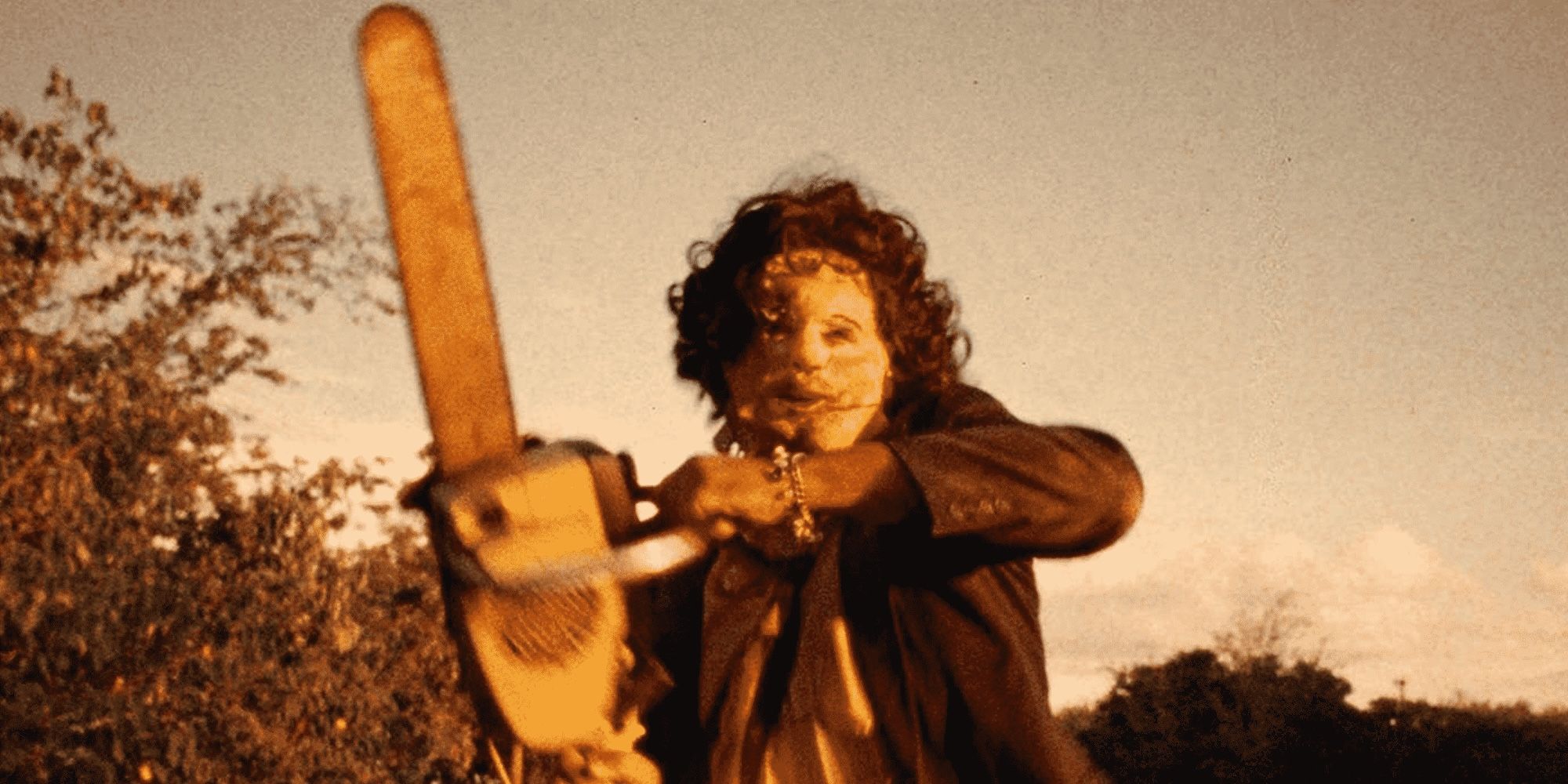
Throughout his career, Ebert proved on several occasions that horror was a genre he wasn’t particularly fond of. Slashers in particular were far likelier to obtain his rejection than his approval, including one of the earliest examples of what would later become known as the slasher film: The Texas Chain Saw Massacre. Though it’s today praised as one of the grittiest and most influential horror films in history, this wouldn’t be the first time that Ebert didn’t align with a consensus.
Indeed, Ebert said in his review that the movie was “without any apparent purpose” other than shock value, though not forgetting to offer praise for the performances and directing. All in all, it feels like the critic completely misunderstood the haunting atmosphere and low-budget exploitation tone that the movie was going for, in a review that doesn’t read particularly well today.
8
‘Once Upon a Time in the West’ (1969)
Roger Ebert’s Rating: 2.5/4 stars
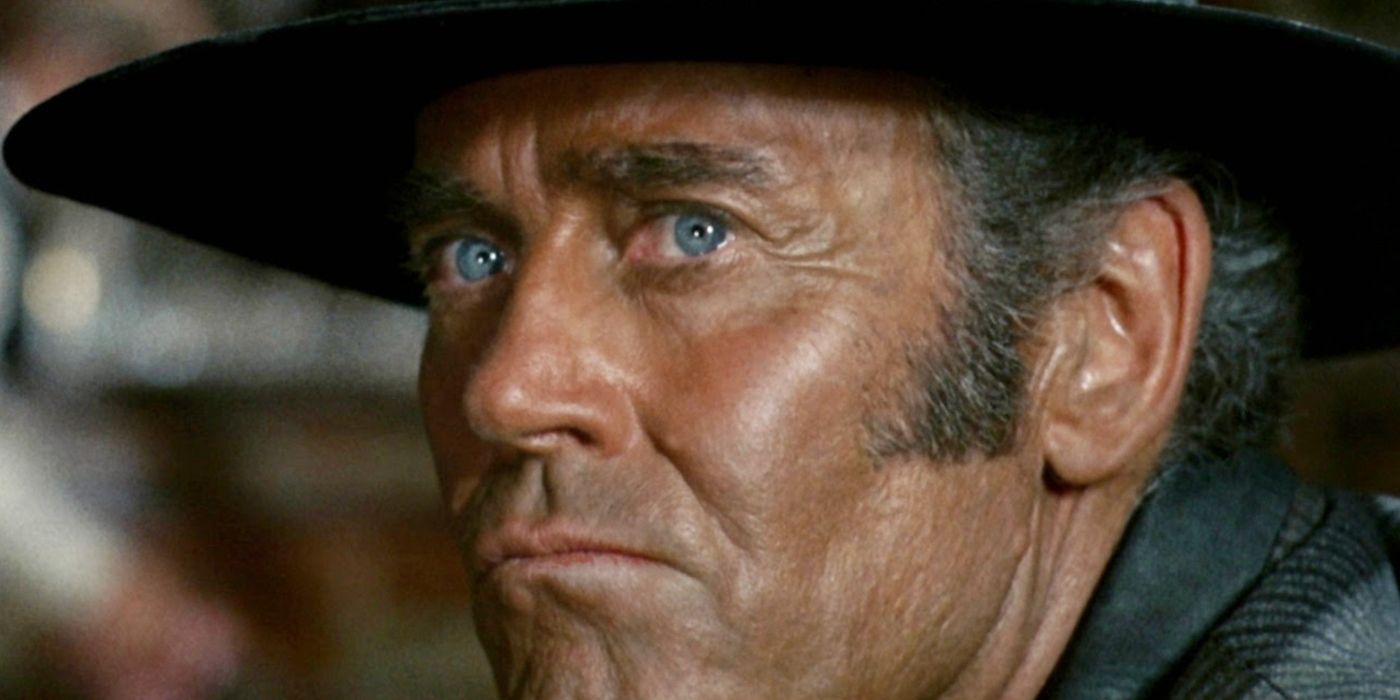
Sergio Leone, father of the spaghetti Western subgenre, revolutionized the Western film with several pictures, including Once Upon a Time in the West, which is why it’s always near the top of the list in any conversation about the best Westerns of all time. It’s a slow-burn for sure, but its extraordinary performances and Leone’s flawless direction make the patience that it demands entirely worth giving.
Ebert didn’t exactly hate Leone’s magnum opus, giving it a passable 2.5-star rating, but was nevertheless far more unimpressed with it than the majority of his peers. He thought that “Leone’s inability to call it quits” caused the movie to stretch on for far too long, resulting in a painstaking experience despite being visually impressive and “good fun.” Coming from one of the greatest minds that have ever dedicated their lives to writing about cinema, using “it was too long” as the main explanation for not liking what many refer to as one of the greatest Westerns ever isn’t a good look.
7
‘Butch Cassidy and the Sundance Kid’ (1969)
Roger Ebert’s Rating: 2.5/4 stars
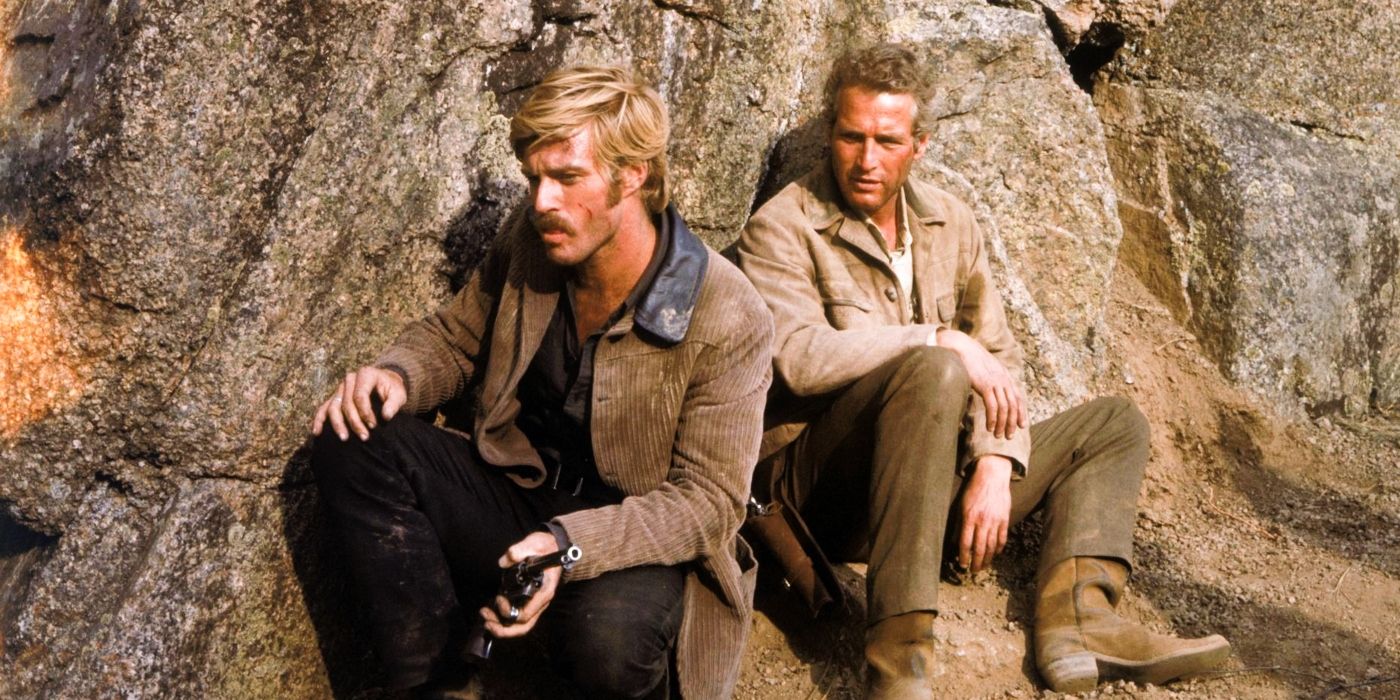
Another Western that’s typically lauded as one of the best in its genre, but which didn’t get the approval of Roger Ebert, Butch Cassidy and the Sundance Kidis one of the most entertaining Westerns ever made. Based on the true story of the two titular outlaws, it sports a delightful and highly quotable script, excellent direction, and a pair of iconic performances by Paul Newman and Robert Redford.
Ebert thought that the script’s sense of humor worked wonders, and that the performances were absolutely fantastic. However, in his review, he expressed that he felt that Butch Cassidy was “slow and disappointing” overall, citing a bloated story and a lack of identifiable Western elements as the reasons why. They’re criticisms that most people watching Butch Cassidy today probably wouldn’t share. So many people feel that it’s such a well-paced, incredibly fun example of its genre that one must wonder if Ebert actually watched the right film.
6
‘Fast Times at Ridgemont High’ (1982)
Roger Ebert’s Rating: 1/4 stars
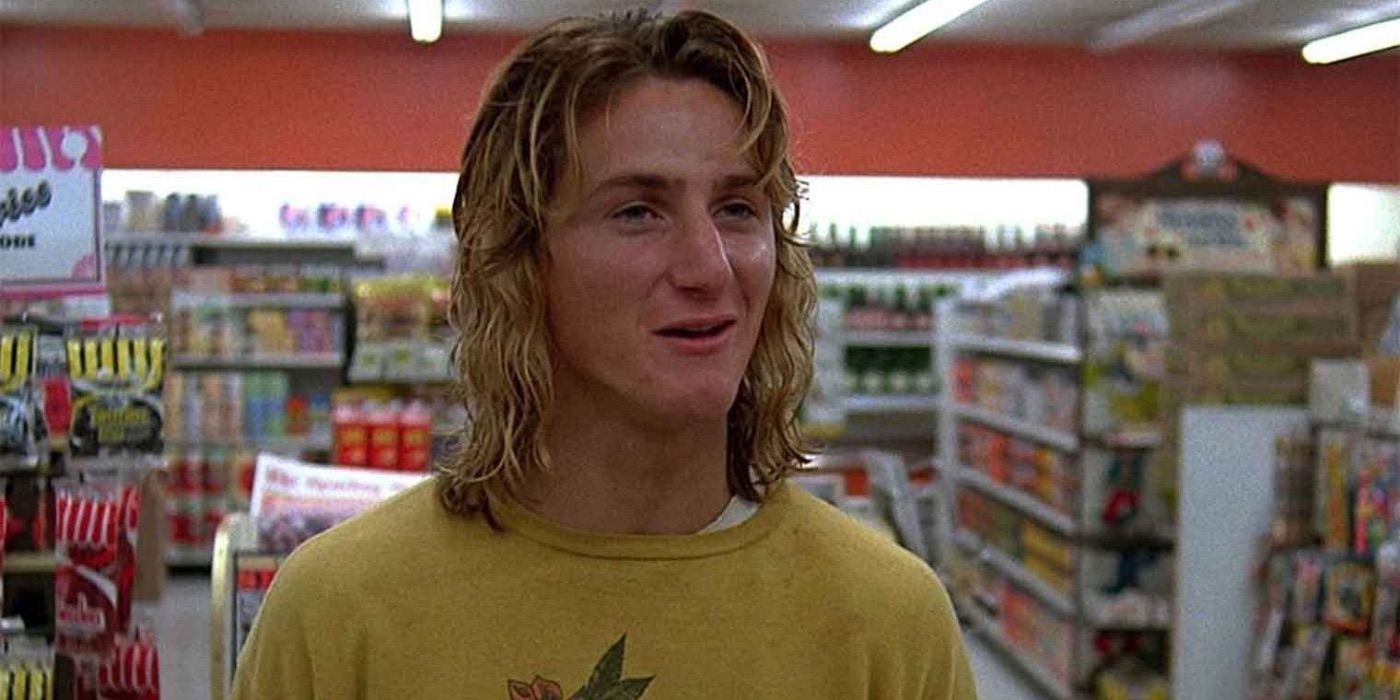
There are plenty of back-to-school teen films that have gone down in history as some of the most iconic examples of the genre. Although Fast Times at Ridgemont Highwas a flop upon release, it has since come to be known as one of the most beloved cult classic teen films, with a fantastic cast and an accurate depiction of teenage life.
Ebert wasn’t nearly as impressed, though. Vulgar comedies were something he typically struggled to enjoy, though he prefaces his review for Fast Timesby stating that he doesn’t have a problem with comedies that use vulgarity creatively and with purpose. He didn’t think that this picture fell into that category, though, calling it “sexist” and in poor taste. The film’s fans, of which there are currently many, would certainly say that the critic took too unfitting of a perspective when watching this ’80s gem.
5
‘Knowing’ (2009)
Roger Ebert’s Rating: 4/4 stars
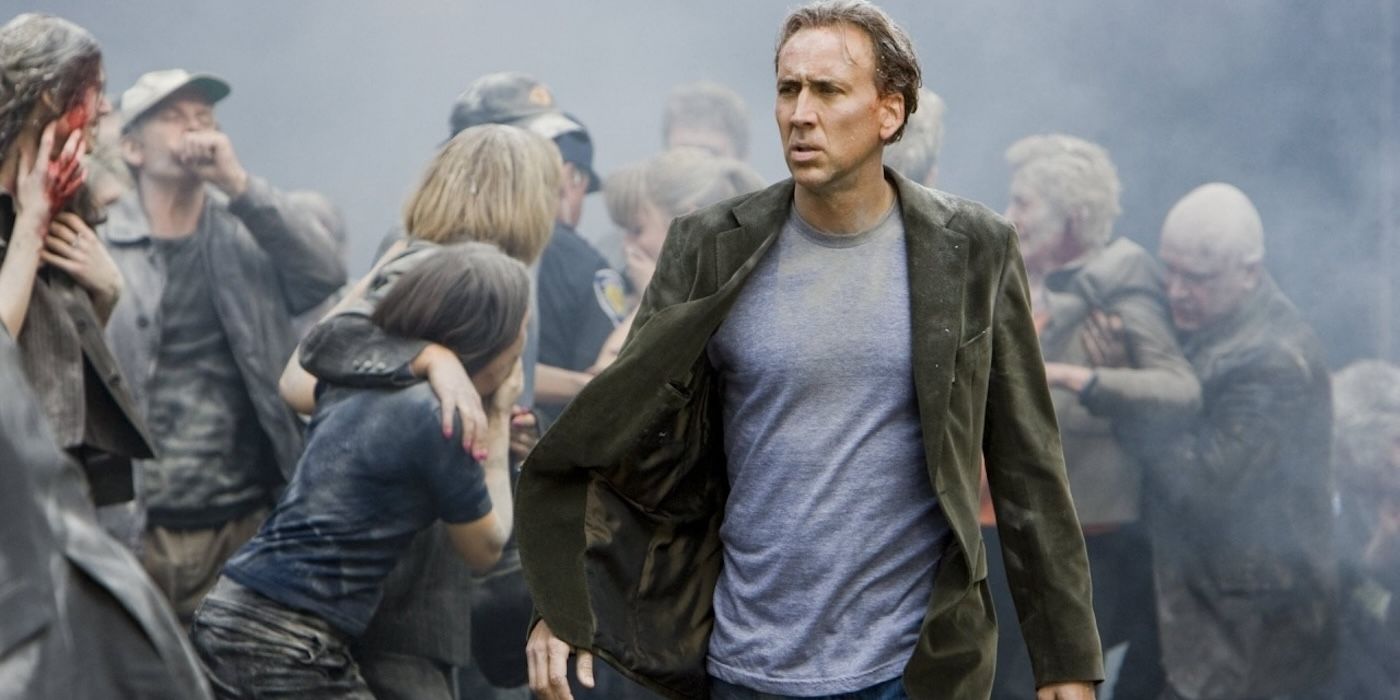
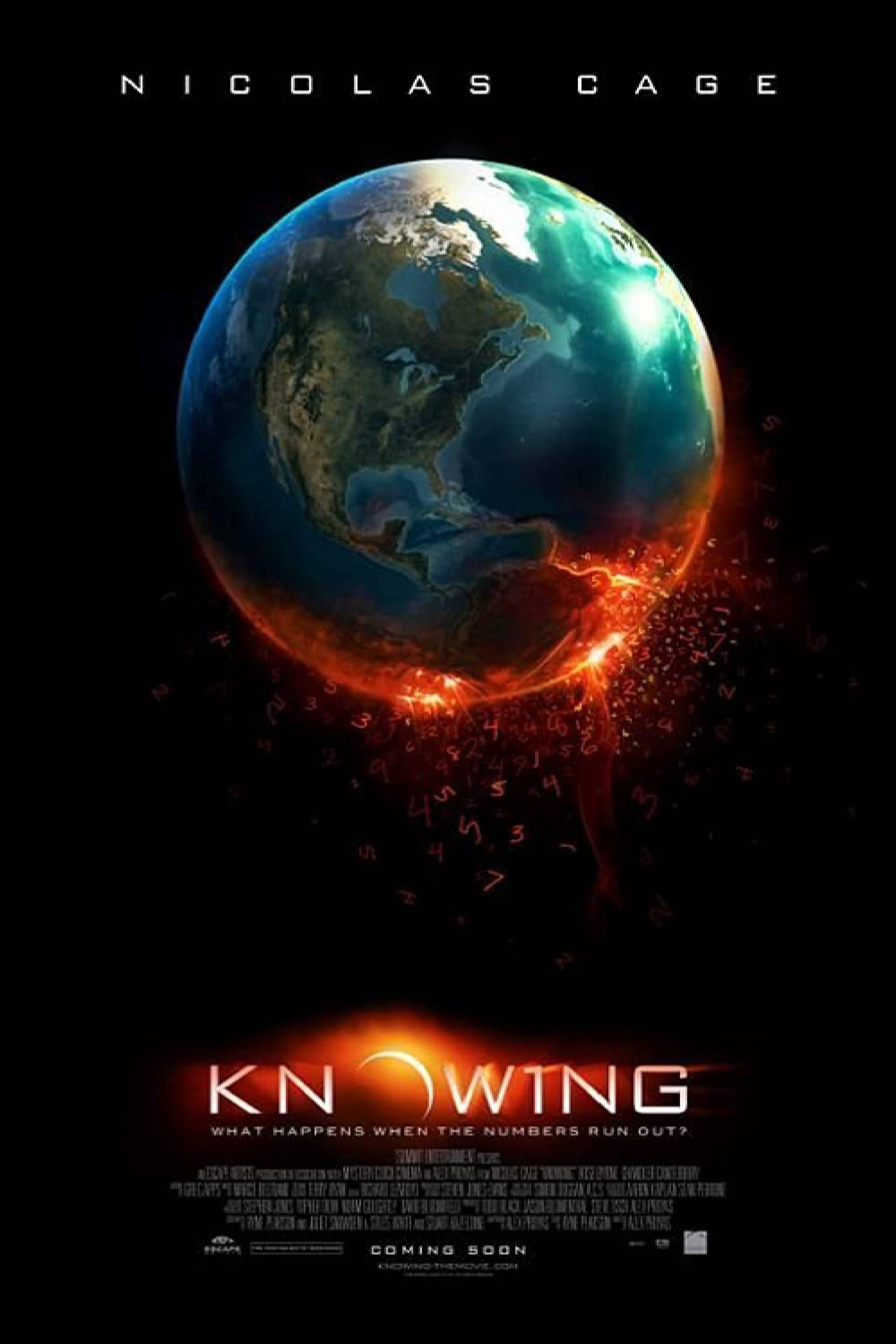
One of Nicolas Cage‘s most infamous projects, Knowing sports a measly 35% critic score on Rotten Tomatoes. That still leaves 35% of critics who actually liked it, though; and, as it happens, that group includes the great Roger Ebert. In the years since its release, some people have warmed up a little bit to this disaster thriller, but one would nevertheless be hard-pressed to find anyone who loved it as much as Ebert did.
Knowing was one of the greatest science fiction movies he had ever seen, calling it in his review “frightening, suspenseful, intelligent and, when it needs to be, rather awesome.”
The critic went so far as to say that Knowing was one of the greatest science fiction movies he had ever seen, calling it in his review “frightening, suspenseful, intelligent and, when it needs to be, rather awesome.” He later wrote about it again, acknowledging his difference of opinion with critics’ consensus but still defending Knowingas “splendid” and “surprisingly thought-provoking.” Ebert wrote some phenomenal and often opinion-changing positive reviews for films typically considered terrible, but quite frankly, this one is among the least convincing. The ludicrous third act causes every interesting thing that came before to completely crumble under its own weight, and Ebert doesn’t make a particularly compelling argument for why that’s not actually the case.
4
‘A Clockwork Orange’ (1971)
Roger Ebert’s Rating: 2/4 stars
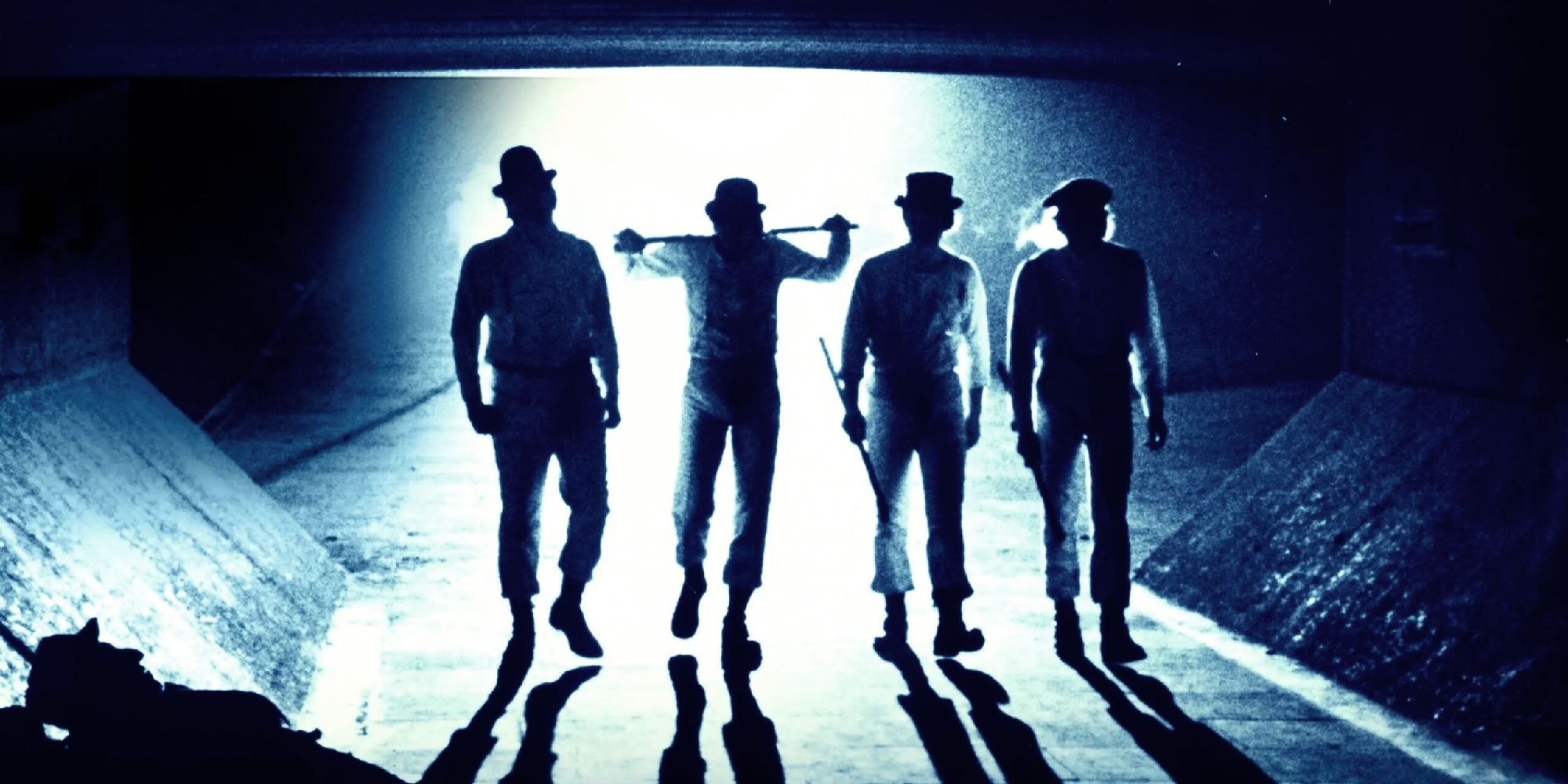
There were more than a few sci-fi films that, though nowadays considered among the best in the genre, Roger Ebert didn’t actually love. This includes A Clockwork Orange, one of the most controversial works of the legendary Stanley Kubrick, a director whose work Ebert almost always adored. This particular film, however, he couldn’t bring himself to stomach.
Admittedly, Clockwork Orange is vulgar, graphic, and shameless in its violence—but meaningfully so. Sadly, it seems that Ebert missed that meaning. He called it “an ideological mess” and “a paranoid right-wing fantasy” in his scathing review, expressing his opinion that it felt like the film romanticized its villainous protagonist, Alex DeLarge, much more often than it called him out. It’s an opinion that’s difficult to share. There’s no denying that Ebert was almost always able to drill into the most profound parts of any movie; but for this one, it seems that he struggled to go past the most superficial level.
3
‘Home Alone 3’ (1997)
Roger Ebert’s Rating: 3/4 stars
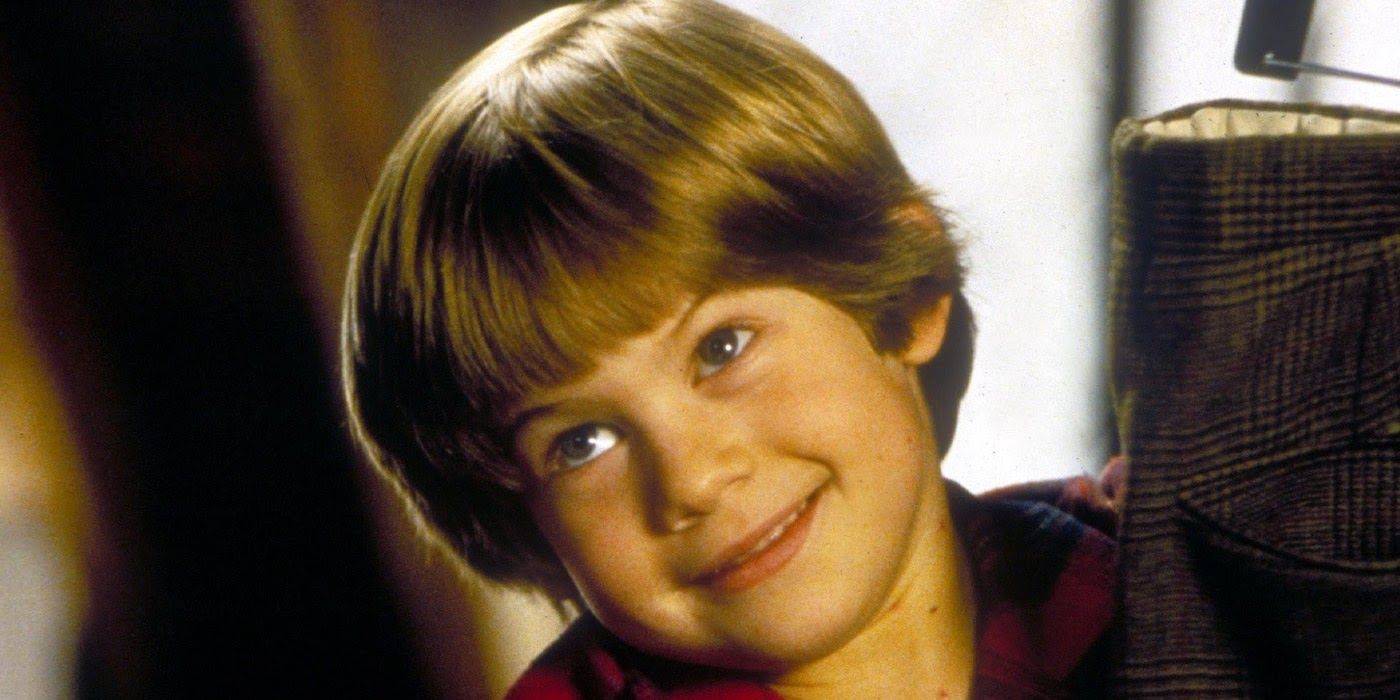
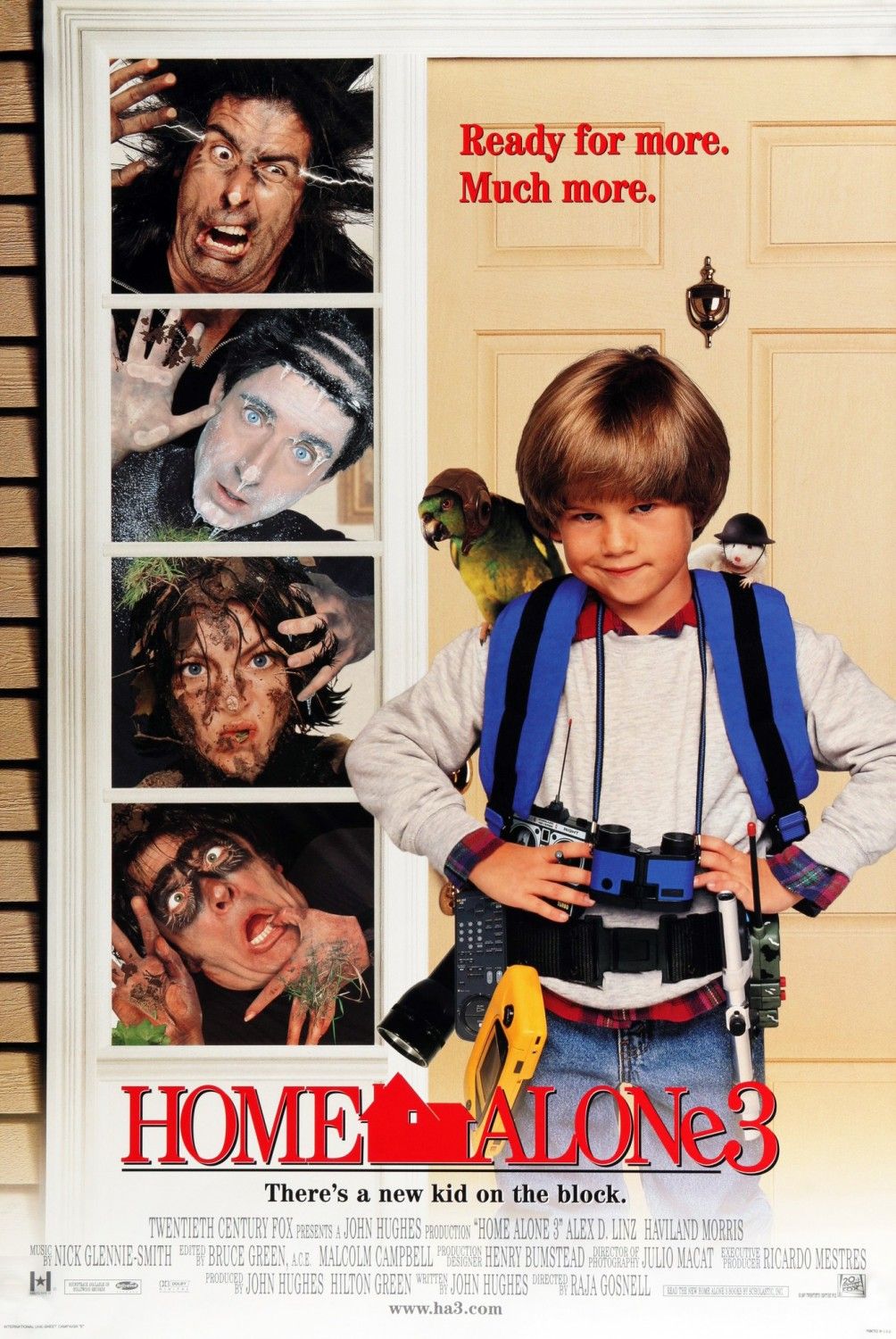
Home Aloneis one of the most iconic and beloved Christmas movie classics ever made, and watching it around the holidays is a tradition in many a household. Its first sequel, Home Alone 2, is also held in high regard by fans. The third installment, however, Home Alone 3, is usually recognized as one of the worst movie sequels of all time. In a turn of events that can only be described as bizarre, Ebert got it all twisted: He disliked the first two movies in the series, giving them 2.5 and 2 stars, respectively; but deeply enjoyed the threequel, giving it a whopping 3 stars.
For a long time, this has been among the most infamous rating decisions that Ebert has ever made. His reviews for 1 and 2 have aged poorly enough, but his review for Home Alone 3is even wilder. Although he admitted that he wouldn’t particularly recommend the film to grown-ups “unless they [were] having a very silly day,” he thought that the plot, formula, and humor worked much better here than in the past two installments—a view that’s diametrically opposed to what pretty much everyone else on the planet believes.
2
‘Fight Club’ (1999)
Roger Ebert’s Rating: 2/4 stars
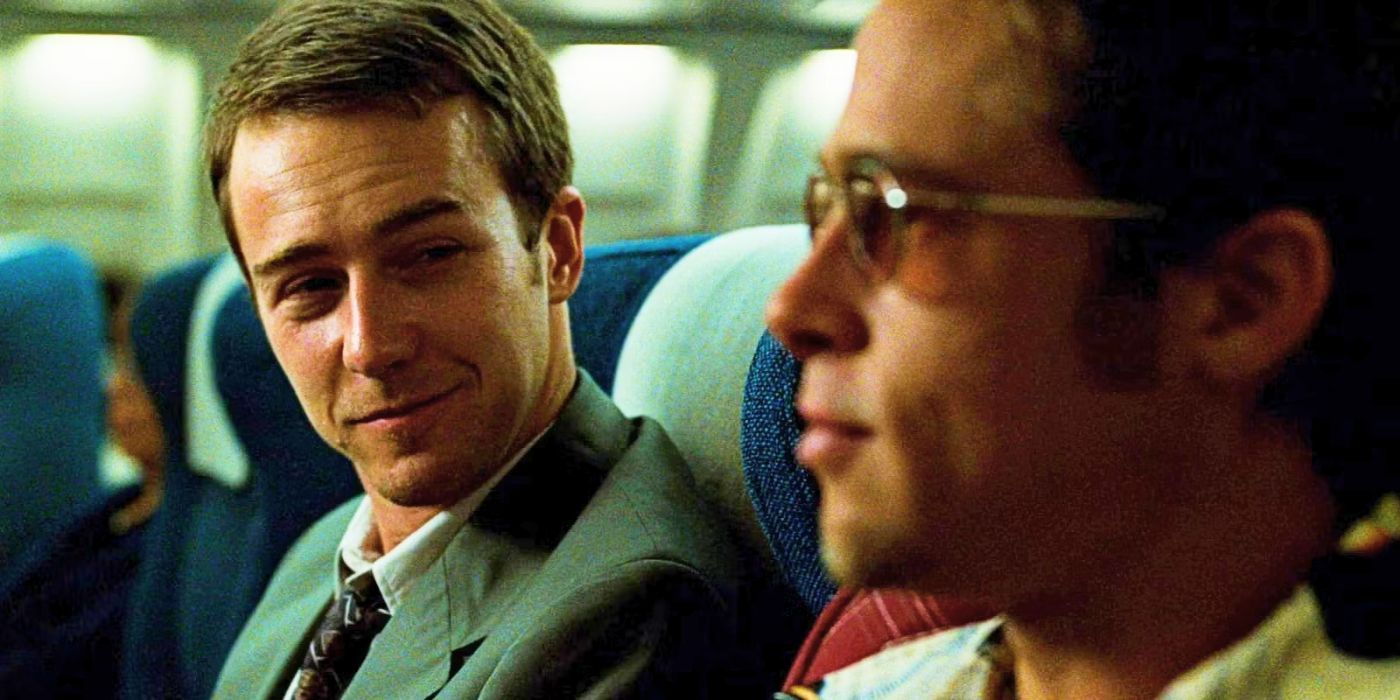
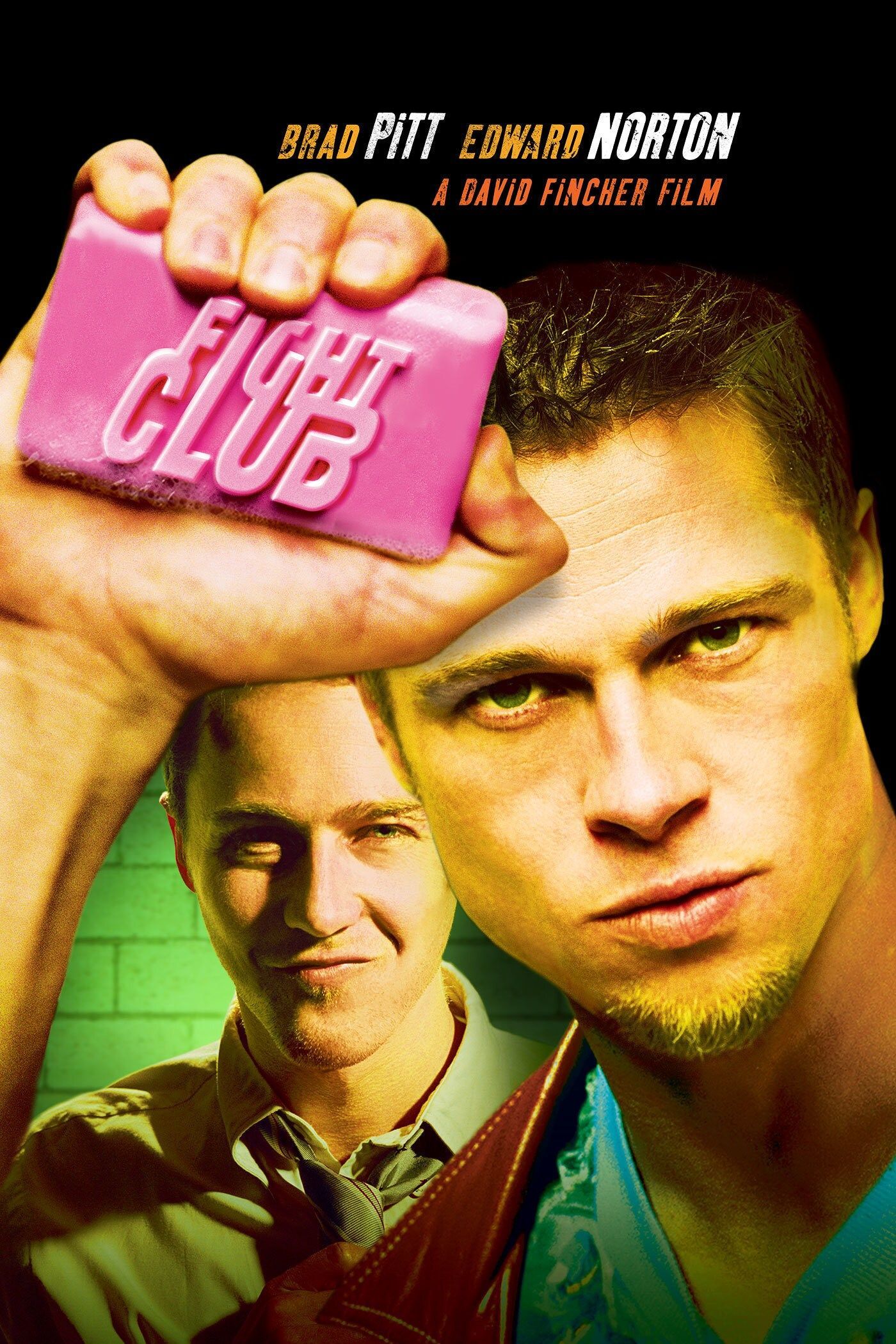
A film that’s typically misunderstood, but is nevertheless a brilliant satire, Fight Clubis far and away one of David Fincher‘s best movies, as well as one of the most complex thrillers ever put on film. It was a disaster upon release, but over a couple of years later, many praise it as one of the best movies ever made. Smart, fun, and delightfully twisty, it sure is one of the most compelling.
Ebert wasn’t among the people who praised the film. Not by a long shot. Instead, he felt that Fight Club was a “frankly and cheerfully fascist” celebration of violence, as he mentioned in his review. This misreading of the movie’s messages and themes, funnily enough, is the reason why many people have embraced Fight Club as a commendation of their toxic ideologies, not realizing that it’s actually a clever condemnation. It’s quite a shocker that Ebert seemingly never interpreted the movie’s narrative the way it was intended.


1
‘The Usual Suspects’ (1995)
Roger Ebert’s Rating: 1.5/4 stars
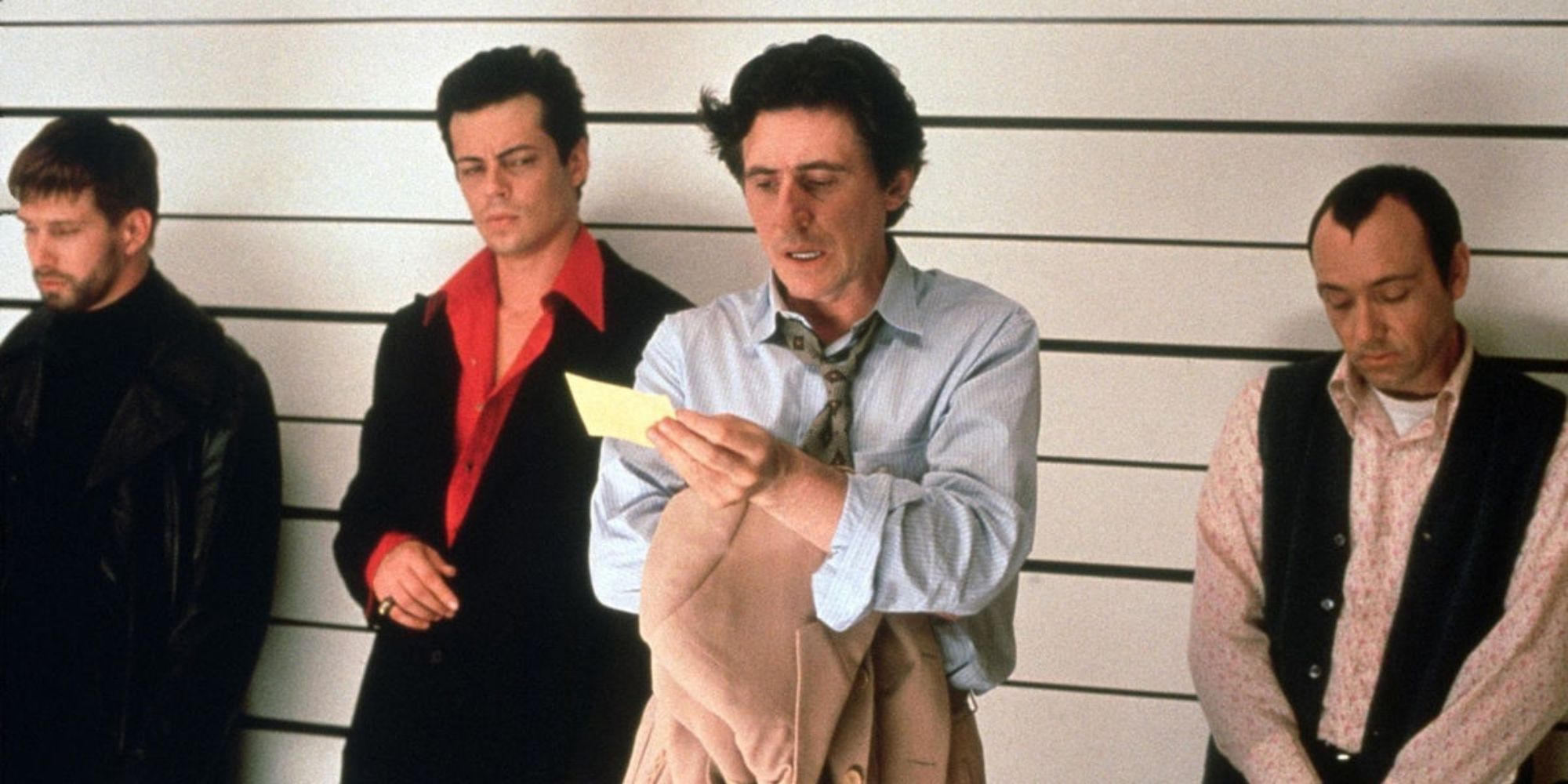
Another one of the most popularly ludicrous Roger Ebert reviews is that of The Usual Suspects, a movie with a plot twist that’s generally regarded as one of the best and most shocking in film history. That twist isn’t all that it has going for it, though. Indeed, The Usual Suspects is usually seen as a phenomenal mystery caper through and through, with an intelligently written script and a hugely dedicated cast.
As far as 30-year-old movies go, this is about as perfect as it gets, despite what Roger Ebert would have you believe. He expressed disappointment over the fact that, despite having watched the movie twice, he never quite got a grasp of its narrative, characters, twists, or mysteries. “To the degree that I do understand, I don’t care,” he famously wrote. Seeing how so many people nowadays think of The Usual Suspects as one of the most brilliantly plotted crime films of the 20th century, though, it feels like this was more a problem of Ebert’s than of the movie itself.