Horror is filled with unforgettable monsters, final girls, and villains, but some performances transcend the genre entirely. These actors didn’t just portray their characters – they defined them so completely that no one else could replicate the same impact. When audiences think of these films, they instantly think of these actors’ faces, voices, and physicality.
Each role on this list is a perfect marriage of performer and character, where the actor’s presence elevated a concept into a true horror masterpiece. The result is a gallery of horror icons whose influence continues across decades. Whether terrifying, tragic, or hauntingly human, these portrayals remain irreplaceable pillars of horror cinema.
Jamie Lee Curtis As Laurie Strode
Jamie Lee Curtis’s portrayal of Laurie Strode in Halloween set the gold standard for the modern final girl. Her performance balances vulnerability with determination, grounding the film’s terror with an authenticity that instantly resonated with audiences. Curtis brought a relatable, understated strength that made Laurie feel like a real teenager thrust into a nightmare.
What makes Curtis irreplaceable is the subtle evolution she brings across films. Even in her earliest performance, she shows Laurie’s inner resilience, laying the foundation for future sequels to explore trauma and generational fear. No one else could capture the same quiet intensity Curtis naturally conveyed.
The modern legacy sequels in particular flaunt Curtis’s unique combination of grit and tenderness. Indeed, Laurie Strode’s legacy endures because Curtis made her more than a scream queen. She made her a symbol of perseverance.
Kathy Bates As Annie Wilkes
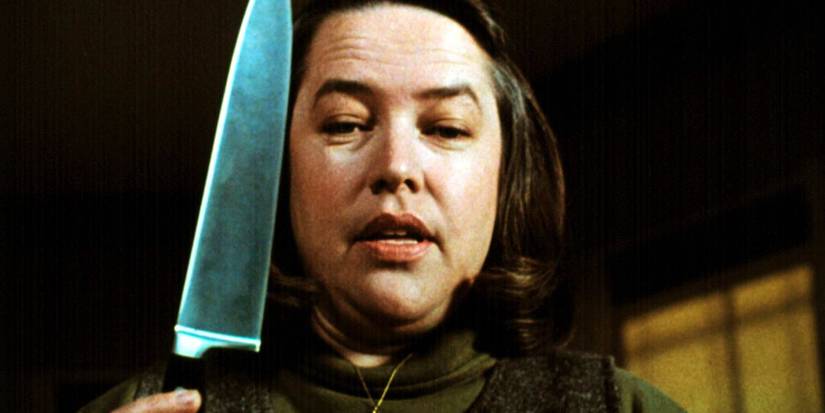
Kathy Bates delivered a career-defining performance as Annie Wilkes in Misery, embodying one of the most unsettling villains in horror history. Her portrayal strikes a chilling balance between outward kindness and simmering brutality. Bates captures Annie’s unpredictability with unnerving precision, making her terrifying without ever slipping into caricature.
Bates’s Oscar-winning performance elevates the character beyond the typical obsessive antagonist. Bates brings emotional layers to Annie that make her feel disturbingly calm. This complexity makes her far more frightening because her motivations, however twisted, feel grounded in damaged psychology.
Few actors could deliver the same blend of warmth, menace, and volatility that Bates achieves so effortlessly. She turned Annie Wilkes into a horror icon, proving that true terror often comes from nuanced, deeply committed character work. Bates has since enjoyed a highly-acclaimed career, even returning to horror with American Horror Story.
Doug Bradley As Pinhead

Doug Bradley’s portrayal of Pinhead in Hellraiser created one of the most visually and vocally striking horror villains ever filmed. His calm, commanding presence set Pinhead apart from the loud, chaotic monsters of the era. Bradley infused the character with an eerie dignity, making him feel less like a slasher villain and more like a supernatural judge.
Bradley’s distinct voice and precise delivery transformed Pinhead’s dialogue into chilling proclamations. Bradley understood the Cenobites’ dark theology intimately, giving every line a weight that suggested centuries of ritual and suffering. This gravitas became the core of the character’s appeal.
Without Bradley, Pinhead would likely have been remembered only for his appearance. Instead, the performance elevated him into a mythic figure whose authority and elegance remain unmatched in horror cinema. Subsequent attempts to recast Pinhead largely failed, at least until Hellraiser (2022) opted to reinvent Pinhead as female.
Max Schreck As Count Orlok

Max Schreck’s performance as Count Orlok in Nosferatu remains one of the most haunting in silent film history. His unusual physicality, skeletal posture, and expressive movements created a monster that still unsettles audiences a century later. Schreck’s commitment to inhuman physical transformation defined the vampire archetype in ways that endure today.
Without dialogue, Schreck relied entirely on body language and expression to convey menace. His jerky movements, shadowy presence, and elongated features made Orlok feel like a creature rather than a man. This approach gave Nosferatu a nightmarish realism that helped cement its place as a horror classic.
Count Orlok’s lasting power comes from Schreck’s uncanny ability to embody something unnervingly otherworldly. In fact, Schreck’s performance was so compelling, that many of the cast and crew were genuinely frightened of him, with rumors he could be a real vampire. No reinterpretation has matched the beauty and eerie strangeness of his iconic, irreplaceable performance.
Sissy Spacek As Carrie
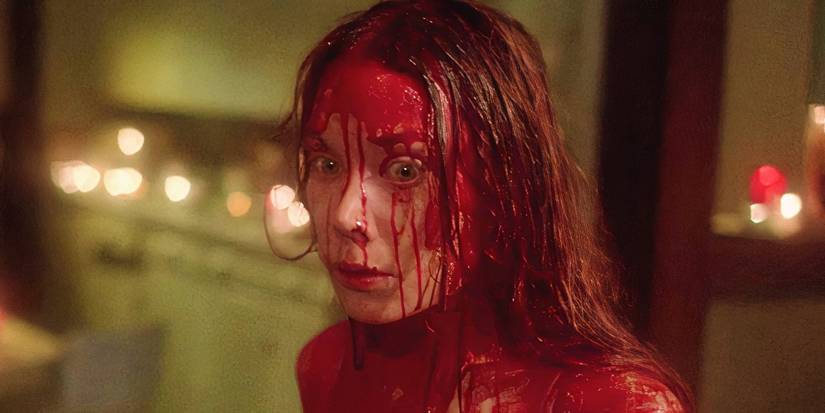
Sissy Spacek brought heartbreaking authenticity to Carrie, transforming a bullied teenager into one of horror’s most tragic icons. Her delicate, vulnerable presence made Carrie instantly sympathetic, grounding the film’s supernatural elements in a deeply human story. Spacek’s emotional depth allowed audiences to feel every moment of Carrie’s pain.
What makes her portrayal unforgettable is how she balances innocence with the growing, explosive rage beneath the surface. Spacek masterfully shifts from shy and withdrawn to terrifyingly empowered, capturing the complicated emotions behind Carrie’s transformation. Few actors could handle such drastic tonal changes so convincingly.
In fact, Spacek’s performance is so compelling, it’s easy to forget where the movie is heading and genuinely root for her. Without Spacek’s unique blend of fragility and intensity, Carrie wouldn’t have its enduring resonance. She made the character unforgettable and impossible to recast with equal impact.
Tony Todd As Candyman
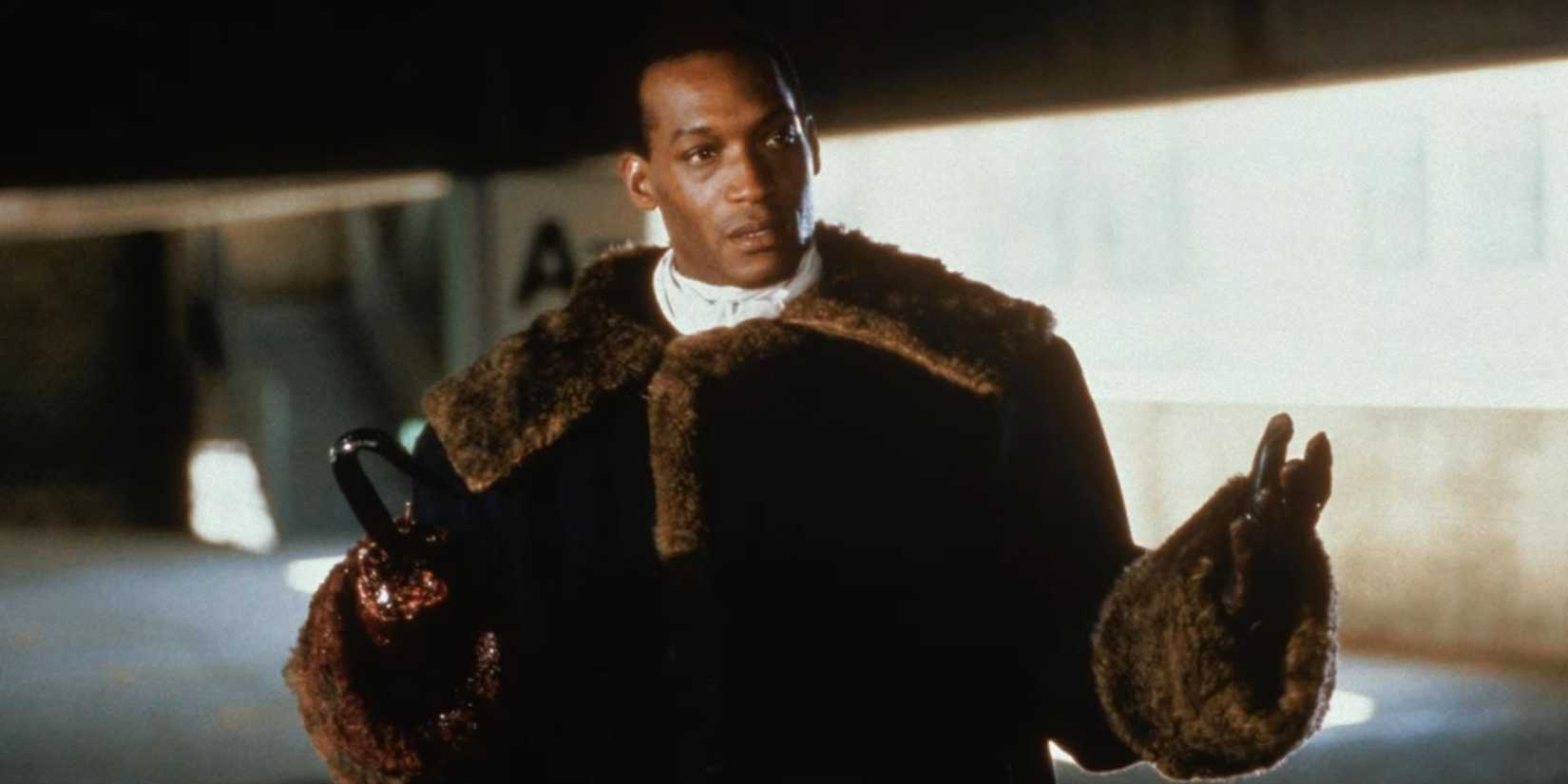
Tony Todd’s towering presence, resonant voice, and hypnotic charisma made Candyman one of horror’s greatest modern villains. His performance blends menace and melancholy, giving the character a tragic mythic weight that elevates him beyond a typical slasher. Todd’s physicality alone makes Candyman unforgettable, but it’s his emotional depth that makes him irreplaceable.
Todd brought sophistication to the role rarely seen in horror antagonists. His line delivery carries poetic, almost operatic gravitas, transforming Candyman into a figure of folklore rather than a simple killer. This unique blend of romance and terror became the defining essence of the character.
Todd made Candyman strangely alluring. No other actor could replicate Todd’s combination of sensuality and haunting presence. His portrayal remains inseparable from the character, solidifying him as a true horror legend.
Jack Nicholson As Jack Torrance

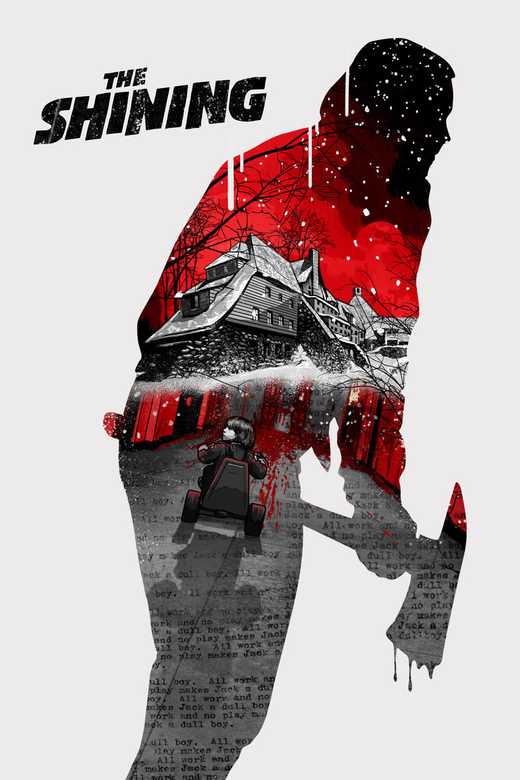
Jack Nicholson’s performance in The Shining is one of the most celebrated in film history, horror or otherwise. His ability to portray Jack Torrance’s descent into madness with unsettling believability turned the character into a cultural symbol of psychological terror. Nicholson’s energy dominates the film from the start.
What makes his performance irreplaceable is the unpredictable blend of charm, sarcasm, and growing violence he brings to every scene. Nicholson’s expressive face and chaotic intensity make Jack’s unraveling feel terrifyingly authentic. His famous outbursts and chilling improvisations became defining horror moments.
Nicholson’s ad libbed “Here’s Johnny” line quickly became one of the greatest quotes in horror movie history. Few actors possess Nicholson’s unique magnetism and unhinged charisma. His portrayal made Jack Torrance synonymous with cinematic insanity in a way no other actor could.
Anthony Hopkins As Hannibal Lecter
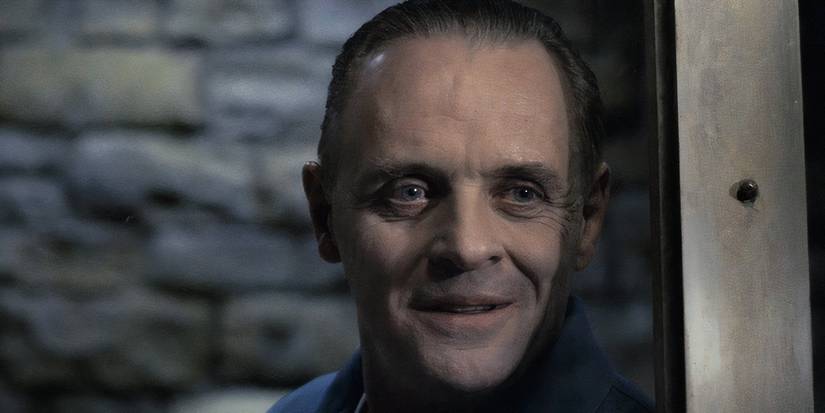
Anthony Hopkins redefined cinematic villainy with his chilling portrayal of Hannibal Lecter in The Silence of the Lambs. His precise diction, measured gaze, and calm demeanor made Lecter terrifying not through violence, but through menace. Hopkins created a monster who terrifies with words as effectively as actions.
Hopkin’s performance is remarkable for its restraint. He appears on screen for only minutes, yet his presence looms throughout the narrative. He feels pervasive, managing to worm his way into the audience’s mind as much as he does the characters.
The role’s impact on pop culture is undeniable. No one else could deliver the same blend of evil and eerie charm, and yet remain oddly likable. Hopkin’s Lecter is strangely charming as well as being utterly terrifying, a feat few others could accomplish.
Boris Karloff As The Monster

Boris Karloff’s portrayal of Frankenstein’s Monster remains one of horror’s most important and influential performances. His ability to express deep emotion beneath heavy makeup shaped the character into a misunderstood, tragic figure rather than a mindless brute. Karloff’s eyes alone convey sorrow, confusion, and humanity.
Karloff infused the monster with childlike innocence, making audiences empathize with a creature trapped in a world that fears him. This emotional complexity elevated the story’s themes and ensured the character would endure for generations. Yet it’s Karloff’s original contributions to the Frankenstein story that cement his legacy.
There are very few physical descriptions of the Monster in Mary Shelley’s original Frankenstein novel. Karloff’s stiff movements and gestures were wholly original, yet have become synonymous with the character. Many actors have played the Monster since, but none have left such an indelible mark on one of cinema’s most recognizable characters.
Robert Englund As Freddy Krueger

No other actor is so inextricably linked to a horror icon as much as Robert Englund and Freddy Krueger. His blend of sadism, humor, and theatrical energy made Freddy far more memorable than a typical slasher villain. Englund turned him into a personality as much as a monster.
Few slasher villains speak, let alone taunt their victims so much that audiences root for the villain. Englund delivered every quip, gesture, and threat with gleeful malevolence, making the character simultaneously entertaining and horrifying. This combination became the signature of the franchise.
No other actor has matched Englund’s performance, leading many to assert that nobody else could ever play the villain. Yet more impressively, Englund’s Freddy has become an enduring pop-culture figure, appearing in numerous ancillary projects. Robert Englund’s Freddy Krueger is one of horror’s most recognizable figures, thanks entirely to Englund’s unique performance.
-

Halloween
- Release Date
-
October 27, 1978
- Runtime
-
91 minutes
-
-
-
Carrie
- Release Date
-
November 3, 1976
- Runtime
-
98 minutes
- Director
-
Brian De Palma
- Writers
-
Lawrence D. Cohen
- Producers
-
Paul Monash
-
Piper Laurie
Margaret White
-
-
-
Candyman
- Release Date
-
October 16, 1992
- Runtime
-
100 minutes
-
Virginia Madsen
Helen Lyle
-
Tony Todd
Candyman / Daniel Robitaille
-
-
-
A Nightmare on Elm Street
8/10
- Release Date
-
November 9, 1984
- Runtime
-
91 minutes
-
Heather Langenkamp
Nancy Thompson
-
John Saxon
Lieutenant Thompson