Television is an inherently uneven medium, as it does not offer the same type of complete viewing experience that a film does. It sometimes takes great shows several episodes, or even seasons, to find their rhythm, and some excellent programs have large swaths that are almost entirely unwatchable. At the same time, no one would argue with the overall quality of shows like Game of Thronesor The West Wing; however, both suffered from disappointing final seasons that ended with weak stretches of episodes.
Although there are many great miniseries or limited event programs that are entirely perfect without any significant dull sections, it’s much more challenging for a serialized drama to span several seasons without having any middling qualities. Here are some of the all-time greatest television drama shows that do not have any filler episodes, ranked.
10
‘Mindhunter’ (2017–2019)
Mindhunteris among the most underrated series ever released by Netflix, as the fact that the genius show by David Fincher was not renewed for a third season is criminal. Serial killers and FBI investigations may be a commonality in crime dramas, but Mindhunter looked at the psychology behind some of the most ruthless monsters in history through the perspective of two law enforcement officers who find themselves edging close to the dark side.
The first season of Mindhunter is a brilliant reimagining of what a procedural thriller could be, but the second reached even more heartbreaking places when it unpacked the complex legacy of the Atlanta child murders and the silencing of black victims. While it’s disappointing that the planned third season of Mindhunter never materialized, its two seasons are so excellent that they make for a fast and intense binge-watching experience.
9
‘The Shield’ (2002–2008)
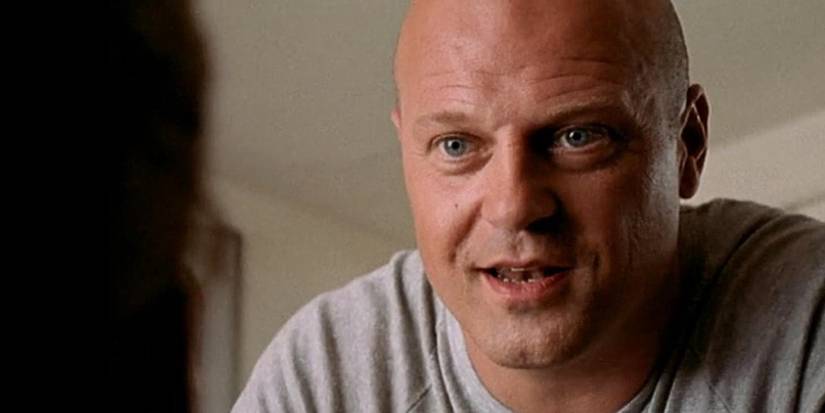
The Shieldproved that FX was a prestige network worthy of being taken seriously because the brutal crime drama does not hold back in showing the uncomfortable truths about the Los Angeles Police Department. Michael Chiklis created one of the most complex, fascinating anti-heroes in television history with Vic Mackey, a corrupt LAPD officer who abuses his power, despite often being instrumental in tracking down dangerous criminals.
The Shield grew more psychologically intense with each season, as the introduction of new cases forced the viewers to consider the ethics of justice and the law. While Chiklis was consistently phenomenal, The Shield was often at its best when it introduced standout guest stars, particularly Forrest Whitaker as the remorseless internal affairs officer Kavanaugh. The Shield also has a finale so unflinching and satisfying that it makes all the events that led up to it feel more rewarding in retrospect.
8
‘The Leftovers’ (2014–2017)

The Leftoversis one of the boldest and most binge-worthy dramas in the history of HBObecause it embraces a style of existential, surrealist storytelling that is typically only seen in arthouse cinema. While it was loosely inspired by a novel, The Leftovers was transformed into a multi-season ensemble drama that followed the fates of various characters as they coped with the aftermath of a global phenomenon in which a percentage of the population disappeared.
The first season of The Leftovers is so grim and depressing that it would’ve been hard for the series to retain the same tonewithout alienating its viewers. However, the following two seasons introduced more spontaneity, whimsy, and even dark humor in order to find a more all-encompassing depiction of life. The fact that there were so many ambiguities within The Leftovers has made it even more rewarding because of the discussions the show has spawned.
7
‘Better Call Saul’ (2015-2022)
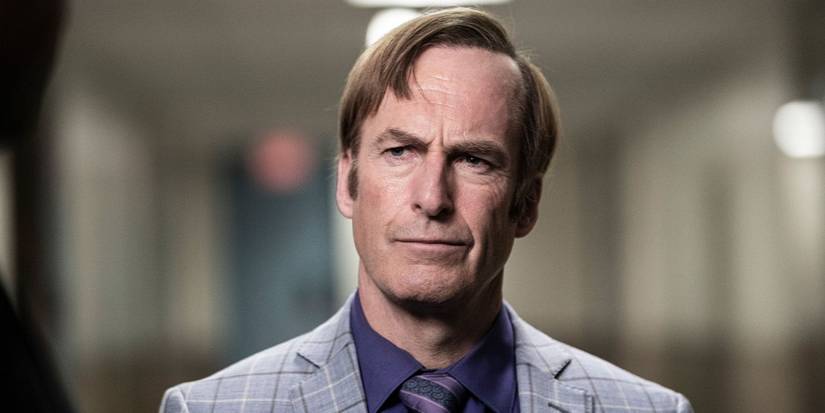
Better Call Saulis the rare spinoff show that is just as strong as its predecessor, as Vince Gilligan was not interested in reiterating what he had already done with the character of Saul Goodman (Bob Odenkirk). Instead, he created an epic tragedy about how the reckless, albeit clever, aspiring lawyer Jimmy McGill became locked in a feud with his brother Chuck (Michael McKean), which eventually draws him into a vast criminal enterprise filled with a dangerous rogue’s gallery.
Better Call Saul is the rare show in which “slow” does not mean “boring,” as the series was able to ensure that even the most gradual shifts in narrative had fascinating components. The patience with which Gilligan rang out every dramatic possibility from Saul’s fall-from-grace resulted in a final season so satisfying that it felt like unprecedented territory for what a serialized drama could do.
6
‘The Americans’ (2013–2018)
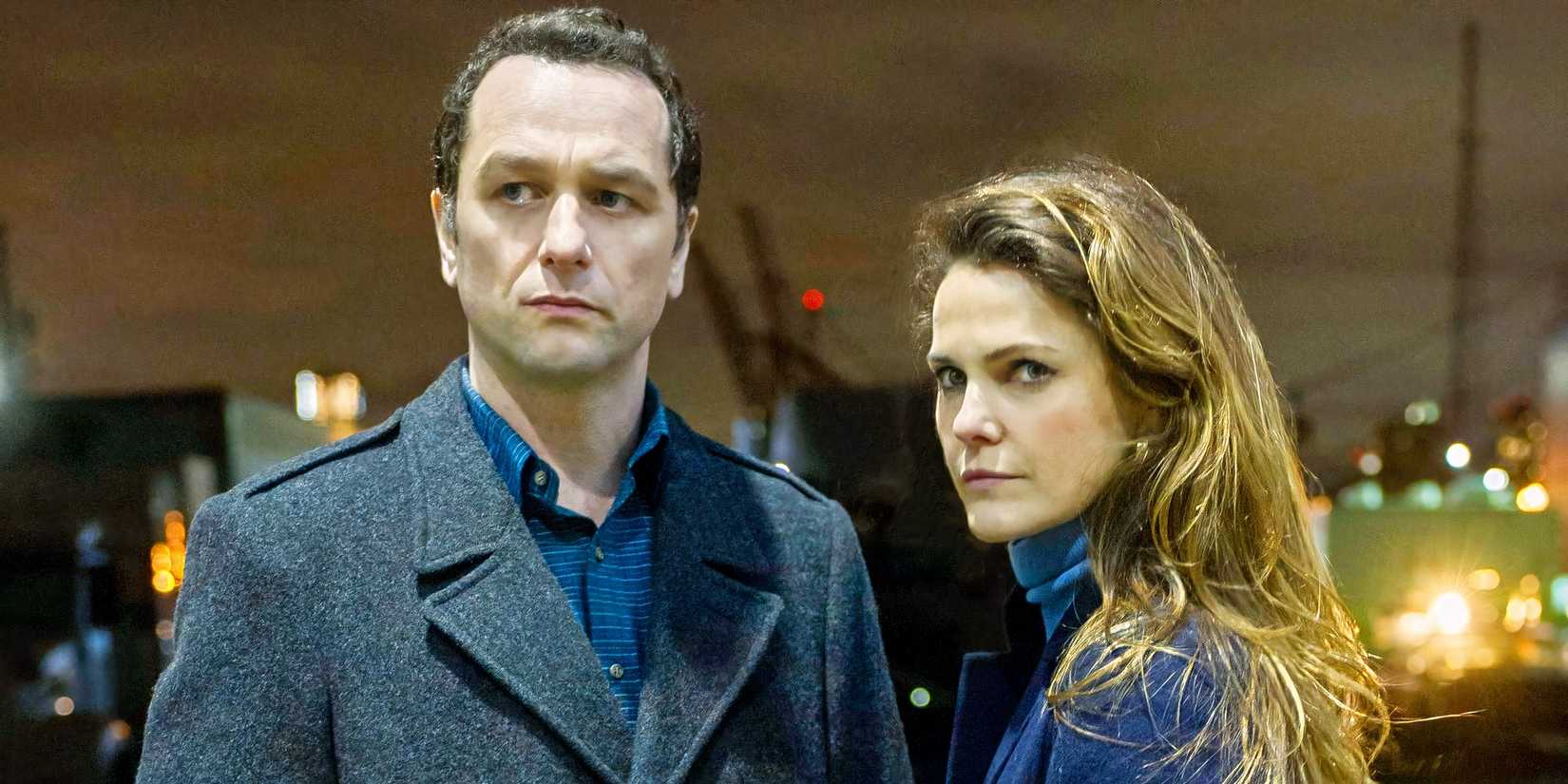
The Americansis unlike any other drama show in the 21st centurybecause it is both a thrilling espionage series and a powerful family story. While the Cold War drama focuses on the Soviet Union spies Philip (Matthew Rhys) and Elizabeth Jennings (Keri Russell), who go undercover as an American couple during the 1980s, it examines how their feigned romance begins to become a reality, and what it is like for them to raise children who have no idea about their real heritage.
The majesty of The Americans is that it explores the interiority of a family and marriage through the prism of a secret mission in which time is running out. Although all six seasons of the show had breathless moments of tension, The Americans did an excellent job at ramping up tension within its second half, which raised serious questions about the loyalty Philip and Elizabeth had to one another.
5
‘Breaking Bad’ (2008–2013)
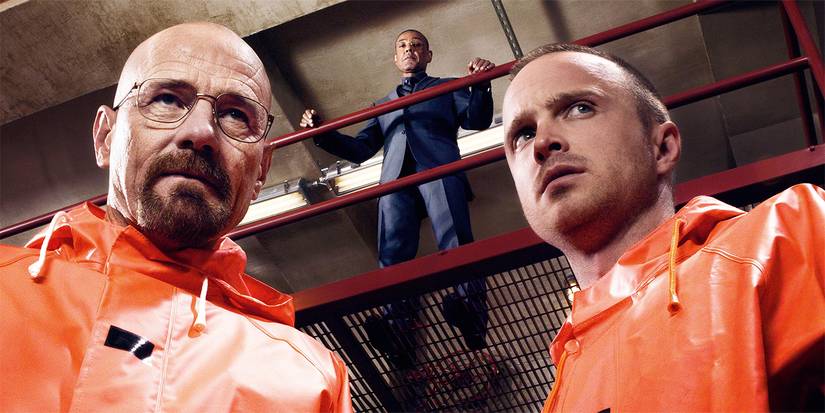
Breaking Badis so beloved at this point that it almost speaks for itself, but it’s also hard to overstate how exciting the AMC crime drama was when it first debuted. While it was clear from the beginning that Walter White (Bryan Cranston) was far more dangerous than his mild-mannered persona would suggest, it was hard to anticipate that a sympathetic, cancer-ridden high school chemistry teacher would end up becoming one of the most terrifying villains within television history.
Cranston gives a performance in Breaking Bad that is worthy of any classic from the Golden Age of Cinema, but the series was able to develop an even stronger emotional grip upon its audience thanks to the unforgettable work by Aaron Paul as Jesse Pinkman; even if it was Walter who provided the suspense and intrigue within Breaking Bad, it was Jesse who gave the show its heart.
4
‘The Sopranos’ (1999–2007)

The Sopranosdid for gangster television what The Godfatherand Goodfellasdid for cinema, and not just because David Chase’s brilliant crime drama made frequent references to those classic films. Although the concept of a mobster has been somewhat mythologized throughout the course of contemporary American popular culture, The Sopranos provided a tough, realistic look at what it was like for the gangster Tony Soprano (James Gandolfini) to maintain his business while also trying to be a family man.
What’s most surprising about The Sopranos is how cutting-edge the series was with its plot twists, experimental dream episodes, and willingness to kill off major characters. It also doesn’t help that The Sopranos has a great, albeit very dark, sense of humor in the way that Tony and his cohorts interact with one another, which made the show often feel more hilarious than many sitcoms.
3
‘The Wire’ (2002–2008)
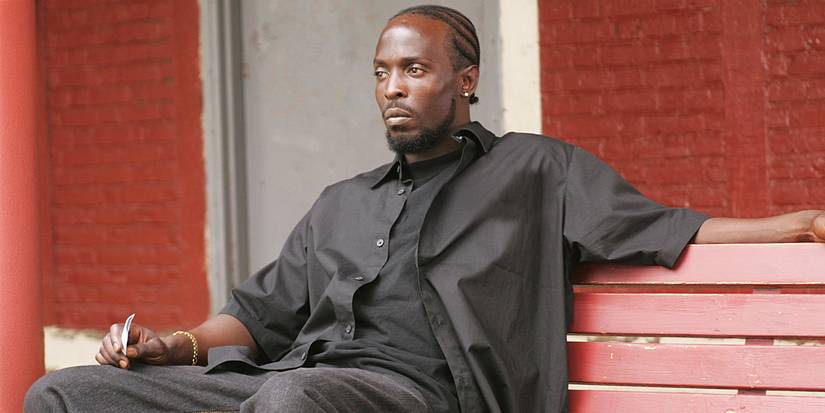
The Wireis as much a blueprint for the issues with modern America as it is a Shakespearean drama, as creator David Simon used all of his experience as a crime reporter in Baltimore to create a realistic, pulsating depiction of the struggles faced by law enforcement in combating the drug trade. The Wire is a show that is so layered with complex characters and allusions to relevant issues that it almost demands to be viewed in its entirety several times in order to soak up all the latent details that could easily have been overlooked after a first watch.
The Wire is compelling because it rarely offered easy solutions to its issues and did a good job at having a balanced perspective. While some shows with deliberately political slants can age over time, The Wire feels just as vibrant and timely as it did when it was first airing.
2
‘Mad Men’ (2007–2015)

Mad Menis as good as its prestigious reputation would suggest, and possibly even more brilliant than it was given credit for at the time. While it does offer a fascinating deep-dive into the world of advertising from the 1960s, Mad Men is the ultimate encapsulation of what change looked like in America for the first generation that realized that their future was far less certain than it had been for their predecessors.
Mad Men was able to constantly move itself out of any comfort zonewith its unpredictable plot twists and stunning moments of dark comedy, as there was nothing that creator Matthew Weiner wouldn’t do for the sake of entertainment value. In the decade since the series finale “Person to Person” aired, there hasn’t been another show that’s created a protagonist as enigmatic, nuanced, detestable, and surprisingly tragic as Don Draper (Jon Hamm).
1
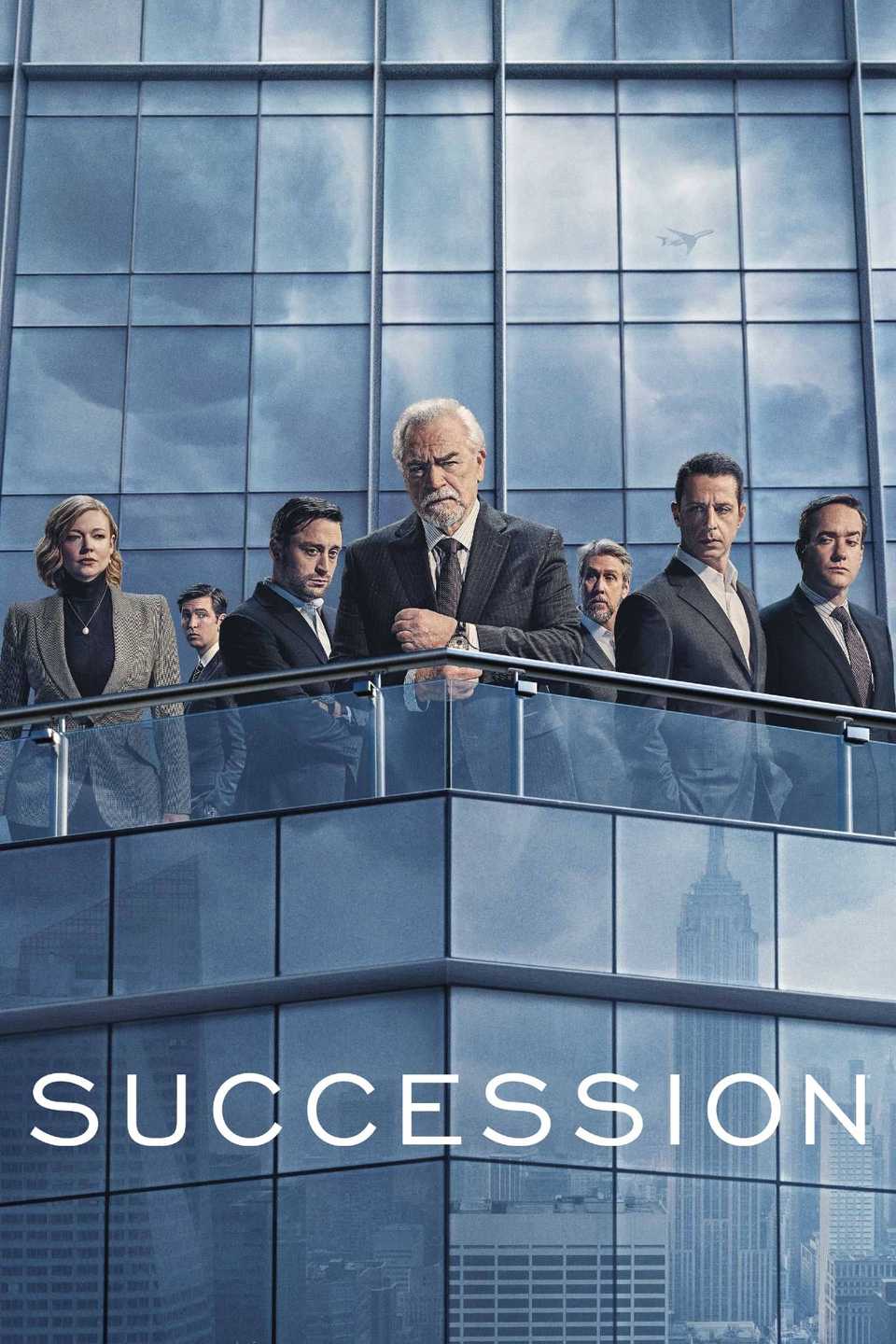
‘Succession’ (2019–2023)
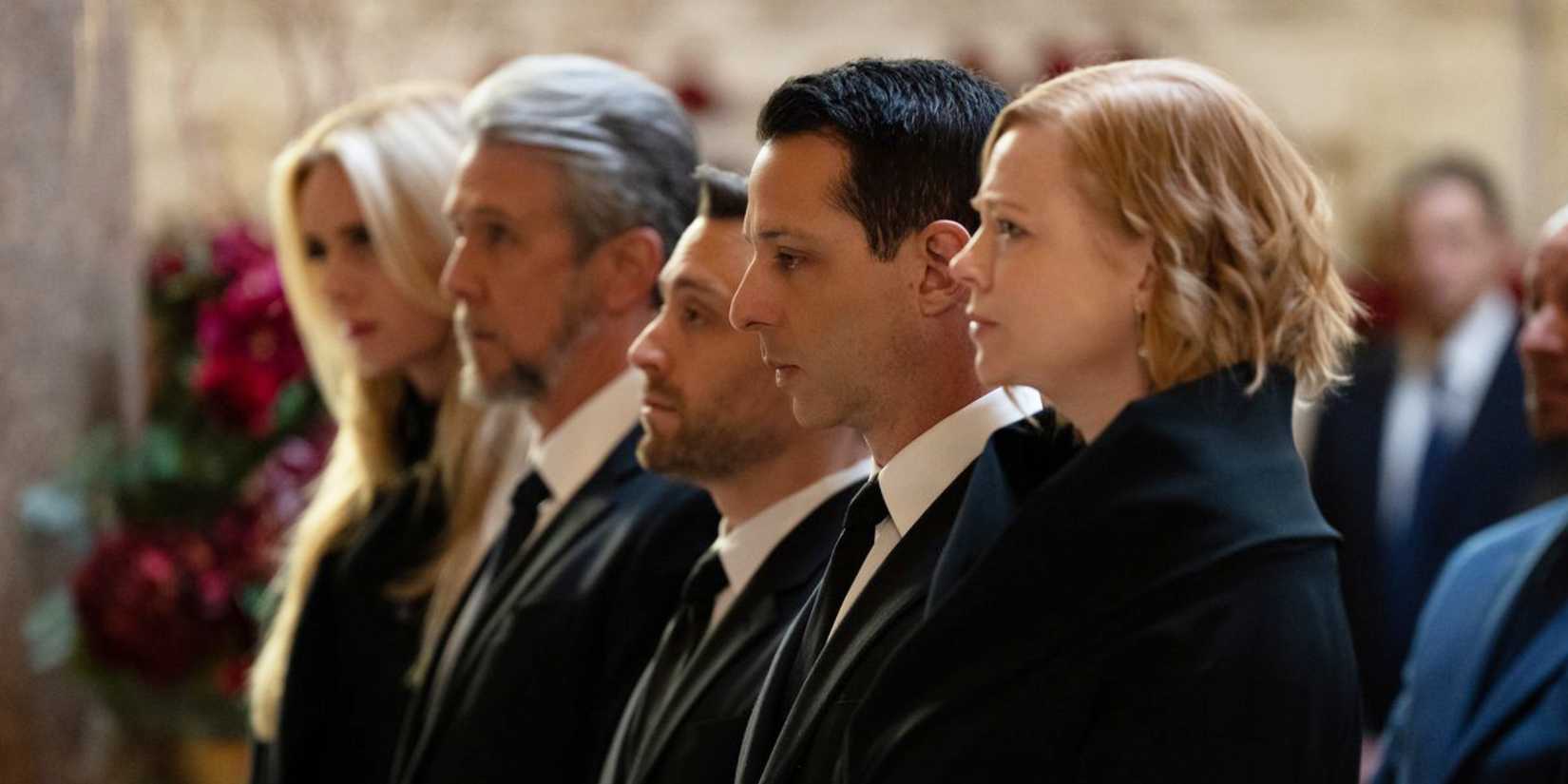
Successionis simply a perfect work of character development and contemporary commentary that both offers a searing indictment of the lies baked into the “American dream” and a tragic story of how a family was torn apart by ambition. Once it became clear that none of the protagonists in Succession were intended to be likable in a traditional sense, the show was able to ruthlessly examine how capitalism chips away at any decency or ethics left within the corporate system.
Succession managed to evoke surprisingly sympathetic moments with its characters, whilst also mirroring real news stories, even if they ended up being coincidences. Although it’s hard to imagine that there would ever be a show that ended as definitively and as grimly authentic as Succession, the series finale was so satisfying that there is nothing to complain about.