Few directors move between genres with the speed (not to mention audacity) of Danny Boyle. He’s made zombie thrillers, techno biopics, children’s fables, drug-fueled odysseys, and sun-drenched space horror, often reinventing his style while keeping his kinetic, adrenalized energy intact.
Boyle’s work radiates a love for the medium. At his best, he fuses bold visuals with pulsing soundtracks and characters teetering on the edge of disaster or transcendence. The ten movies on this list showcase his range, his risks, and his unmistakable touch. From cult classics to Oscar winners, here are the essential Danny Boyle movies, ranked.
10
‘T2 Trainspotting’ (2017)
Starring Ewan McGregor, Jonny Lee Miller and Robert Carlyle
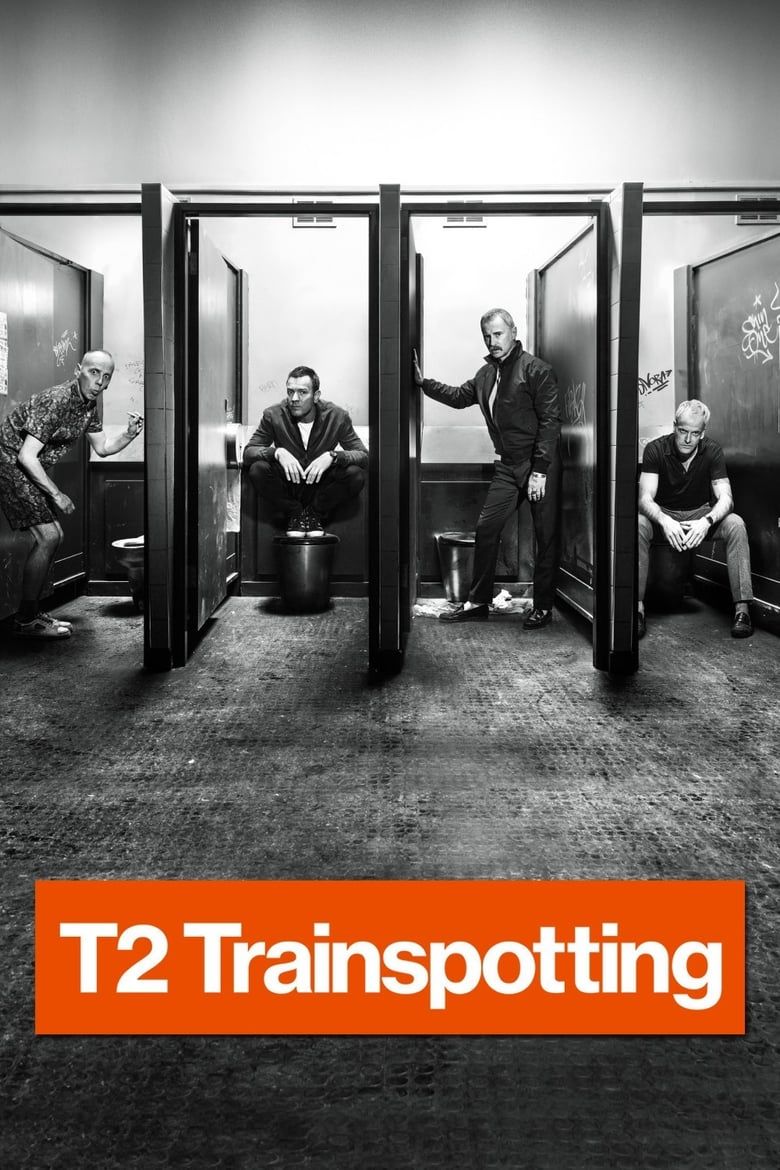
“Choose Facebook, Twitter, Instagram, and hope that someone, somewhere cares.” Twenty years after Trainspotting redefined British cinema, T2 arrived like a ghost, all nostalgic, bitter, and weirdly beautiful. Renton (Ewan McGregor), Sick Boy (Jonny Lee Miller), Spud (Ewen Bremner), and Begbie (Robert Carlyle) return, older and not much wiser, chasing memories and old debts across a rapidly gentrifying Edinburgh. Unlike most sequels, T2 is refreshing because it isn’t about recreating old highs. Instead, it’s about aging, regret, and the lies we tell ourselves to make failure feel poetic.
It’s not the riotous hit of the original but the hangover, and that’s what makes it work. Once again, Boyle leans into surreal editing, reflective voiceovers, and kinetic flourishes, but he also lets the silences linger longer this time. T2 is melancholy masked as mayhem, a film that doesn’t pretend time stood still. Instead, it weaponizes that time against its characters, asking what’s left when the buzz wears off and all you’ve got is the echo.
T2 Trainspotting
- Release Date
-
January 27, 2017
- Runtime
-
117 minutes
9
‘Sunshine’ (2007)
Starring Cillian Murphy, Rose Byrne and Chris Evans
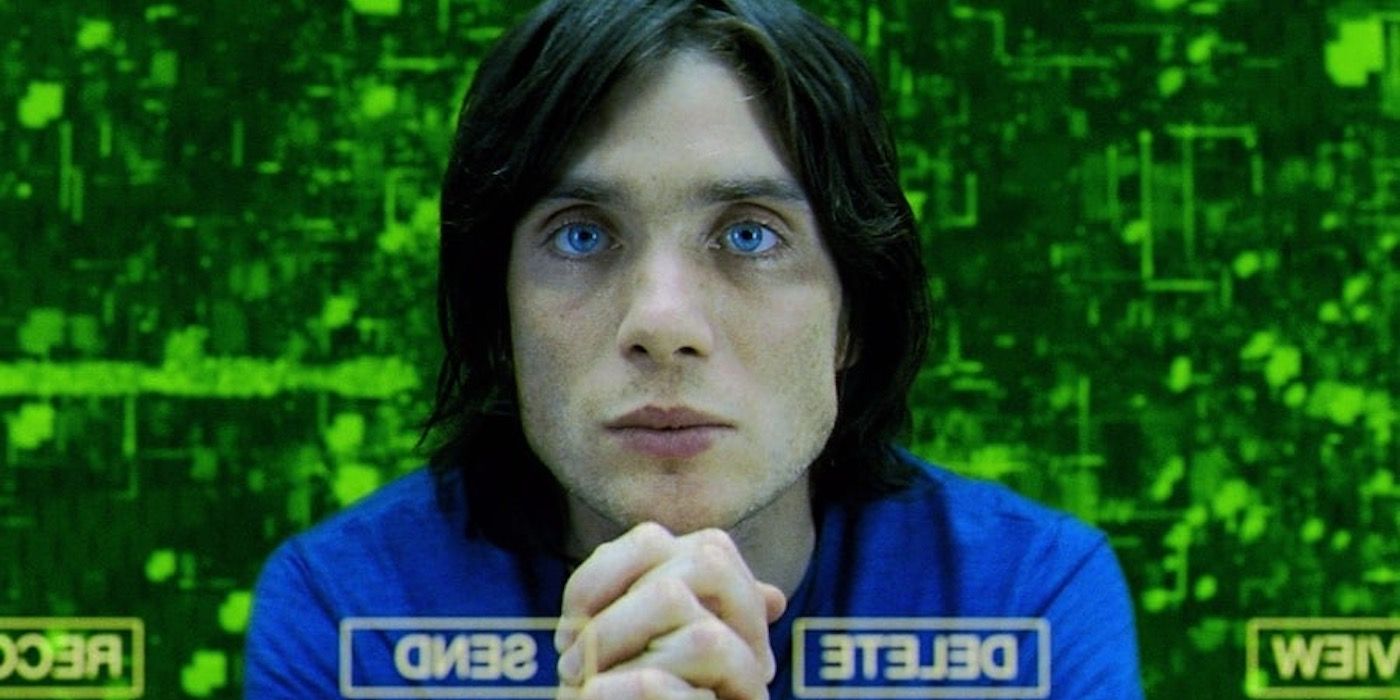
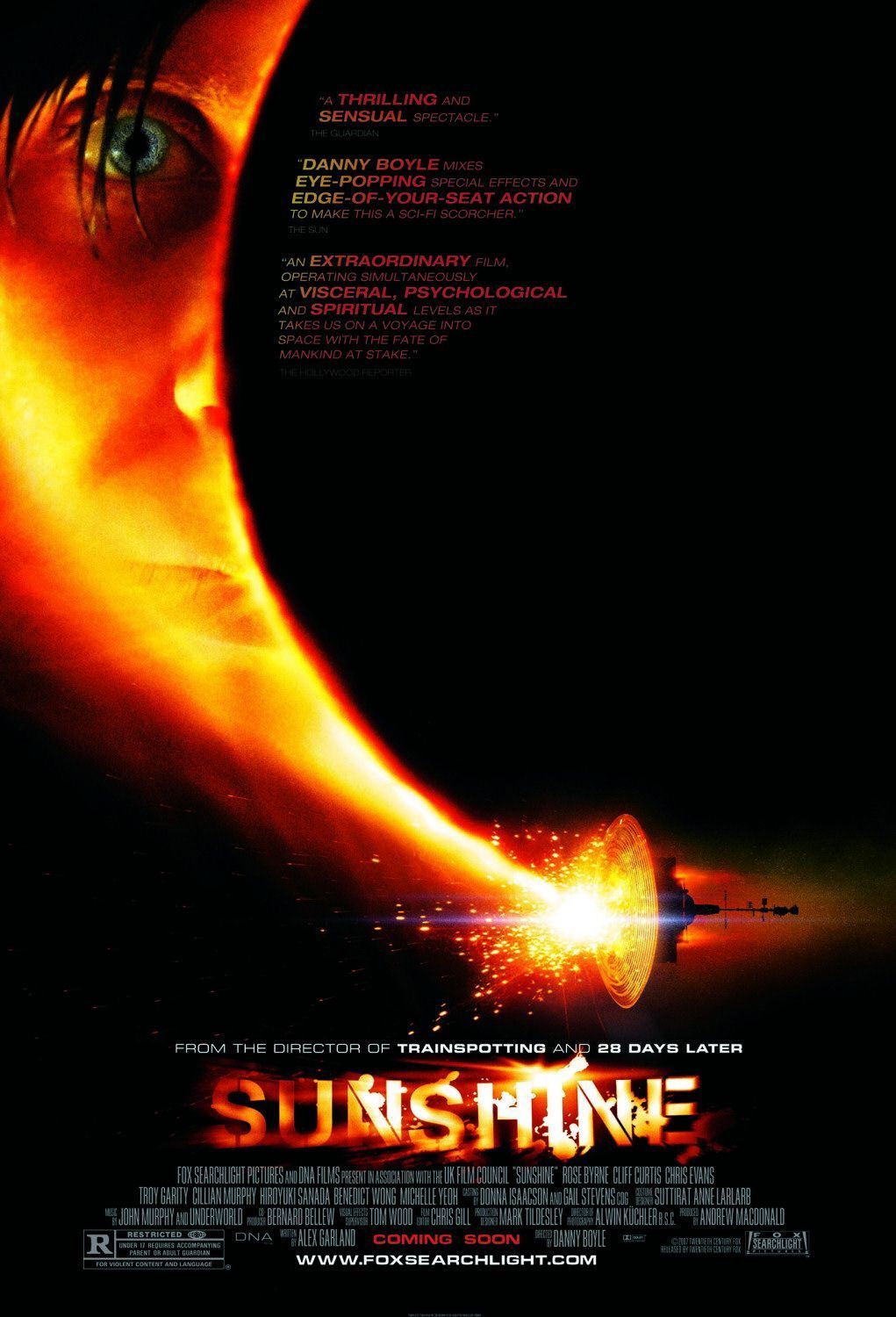
“For seven years I spoke with God. He told me to take us all to Heaven.” Sci-fi rarely feels spiritual these days, but Sunshine burns with existential dread and cosmic awe. Set fifty years in the future, it follows a team of astronauts tasked with reigniting the dying sun using a stellar bomb. Naturally, things go wrong, but not in the ways you expect. What begins as 2001 morphs into Alien, then plunges into something stranger and more metaphysical.
This is a movie about heat, light, and faith, both in science and in the self. Boyle’s direction is fittingly fluid and hypnotic, veering from wide solar vistas to claustrophobic hallways without losing momentum. The cast, including Cillian Murphy, Rose Byrne, and Chris Evans, anchors al this visual grandeur in human frailty. And the score? Unforgettable. Though the third act’s genre shift remains divisive, Sunshine endures as a visually ravishing, emotionally resonant sci-fi epic that dares to stare directly into the void.
8
‘Shallow Grave’ (1994)
Starring Kerry Fox, Christopher Eccleston and Ewan McGregor
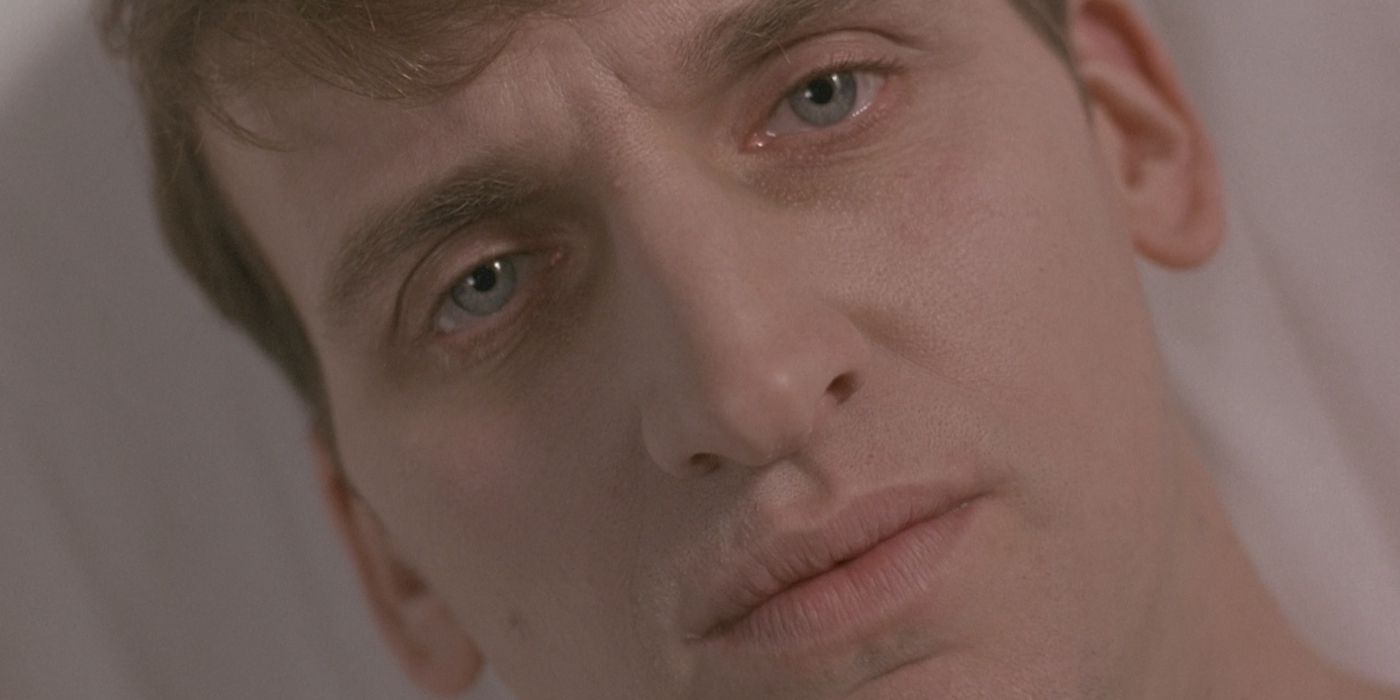
“If you can’t trust your friends, well, what then?” Boyle’s debut arrived like a slap in the face: sharp, stylish, and darkly hilarious. Shallow Grave follows three flatmates (played by Kerry Fox, Christopher Eccleston, and Ewan McGregor) who find their new tenant dead with a suitcase full of cash. They keep the money. They bury the body. And everything falls apart. The film plays like a Hitchcock thriller filtered through ’90s nihilism, where moral decay accelerates alongside plot twists. There’s maybe a touch of Crime and Punishment too.
It’s a lesson in how quickly greed turns friends into enemies and conscience into collateral. McGregor, in his first major role, oozes charm and menace, while future Doctor Who Christopher Eccleston gives a slow-motion breakdown that’s both tragic and terrifying. On the aesthetic side, Boyle‘s use of color, quick cuts, and skewed camera angles shows a director already hungry to make cinema feel alive.
7
‘Millions’ (2004)
Starring Alex Etel and Lewis Owen McGibbon
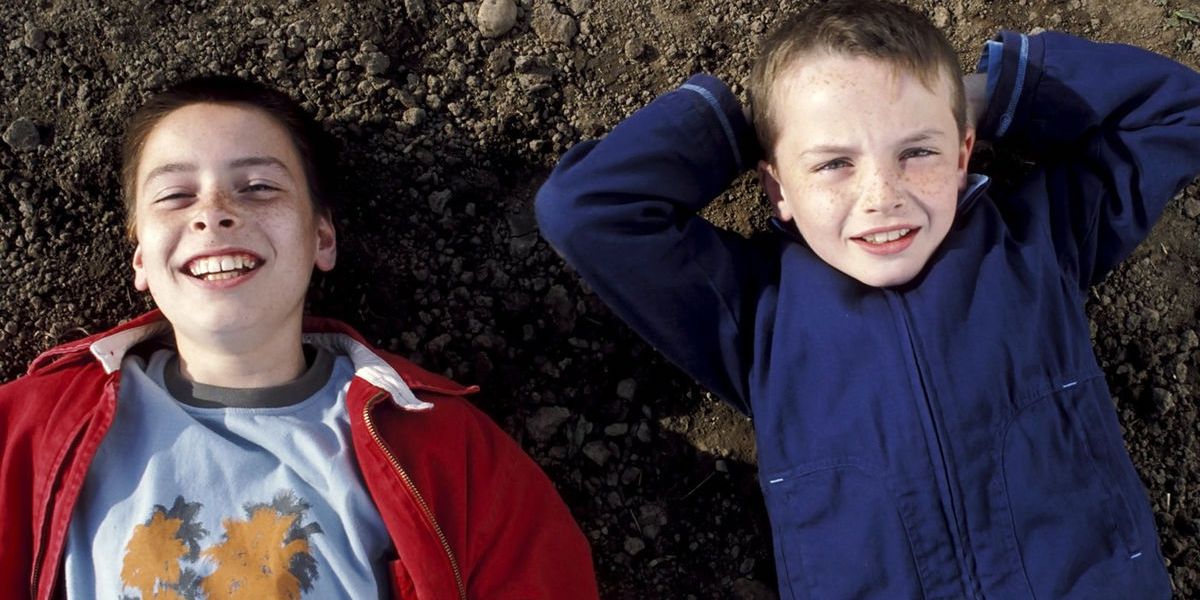
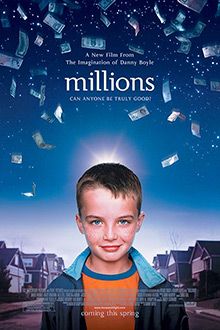
“Why do you have to spend it all in seven days?” After drug overdoses and doomsday viruses, Millions was a surprise, a sweet, magical realist fable about faith, family, and money. Two young brothers (Alex Etel and Lewis Owen McGibbon) find a bag full of stolen British pounds just days before the currency switches to the euro. One sees it as a chance to help the poor. The other wants flat-screen TVs and pizza. Watching them navigate this moral fork is where the film finds its soul.
Boyle shoots it like a fairy tale cracked by real life, full of color, warmth, and Catholic guilt. There are saints, imaginary friends, and stolen bicycles, but also grief, corruption, and the quiet ache of growing up too fast. Millions doesn’t mock childhood innocence. It protects it. The script is great too, eventually becoming an award-winning novel. Overall, it’s one of the director’s most overlooked films, and one of his most sincere.
- Run Time
-
1 hr 35 min
- Director
-
Danny Boyle
- Release Date
-
May 27, 2005
- Actors
-
Alex Etel, Lewis Owen McGibbon, James Nesbitt, Daisy Donovan, Christopher Fulford
6
‘Yesterday’ (2019)
Starring Himesh Patel and Lily James

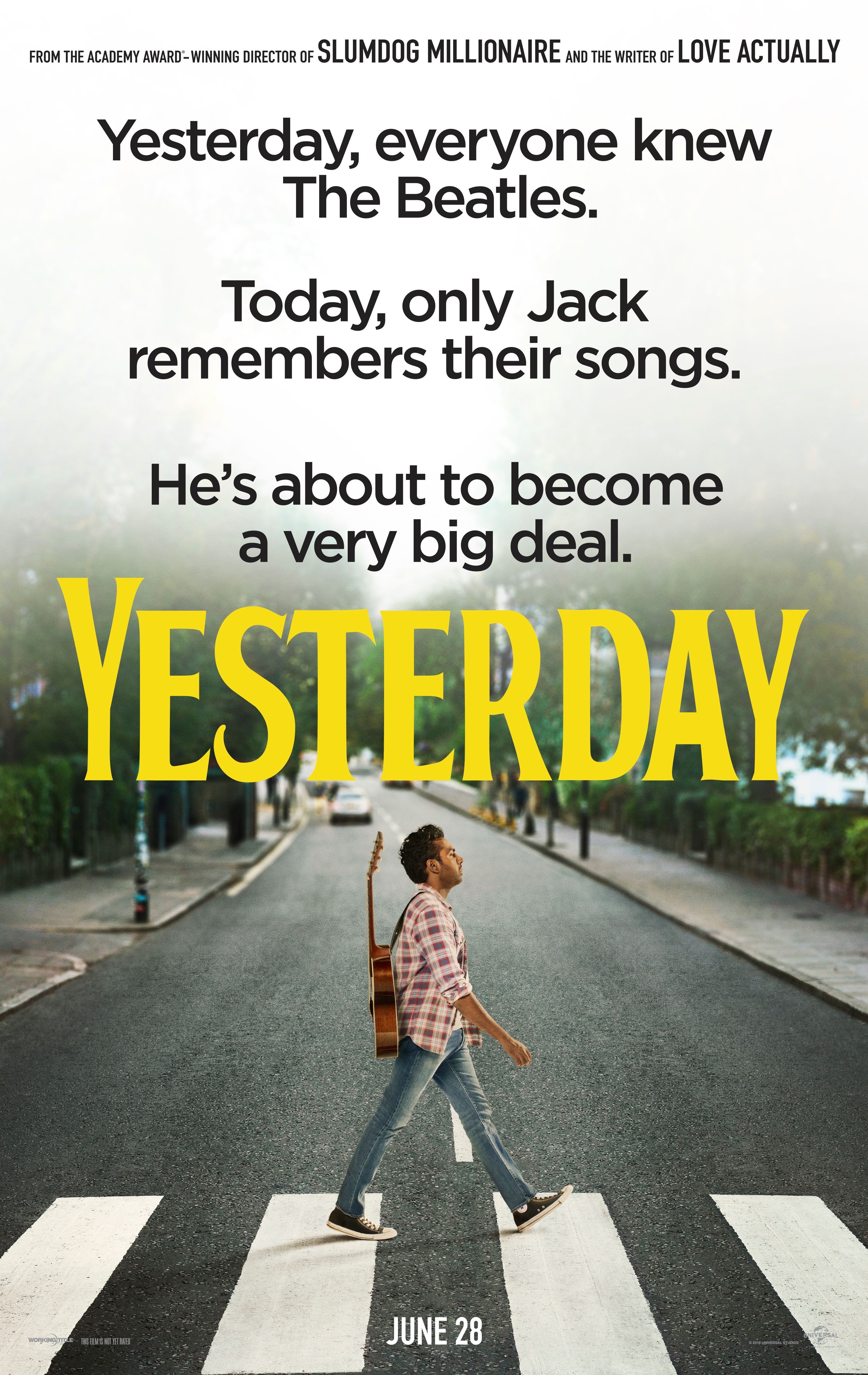
“World’s got no Coke. No cigarettes. No Harry Potter. And no Beatles.” What if you woke up and The Beatles never existed, except in your memory? That’s the conceit of Yesterday, a high-concept fantasy that’s less about rock ‘n roll and more about love, authorship, and cultural memory. A struggling musician (Himesh Patel) wakes up after an accident to find he’s the only person on Earth who remembers the Fab Four. He begins performing their songs as his own. Fame follows. So does guilt.
It’s a lightweight film, but it’s crafted with charm and surprising heart. The Beatles’ catalog is among the most beloved IPs in history, and Boyle does it justice. This kind of movie could’ve been gimmicky, but instead it’s poignant and touching. The script may lean heavily on romantic comedy tropes, but there’s a bittersweet core beneath the gloss. The finished product is a pop song of a film that, like a good Beatles track, gets stuck in your head and leaves you smiling.
5
’28 Days Later’ (2002)
Starring Cillian Murphy, Naomie Harris and Brendan Gleeson
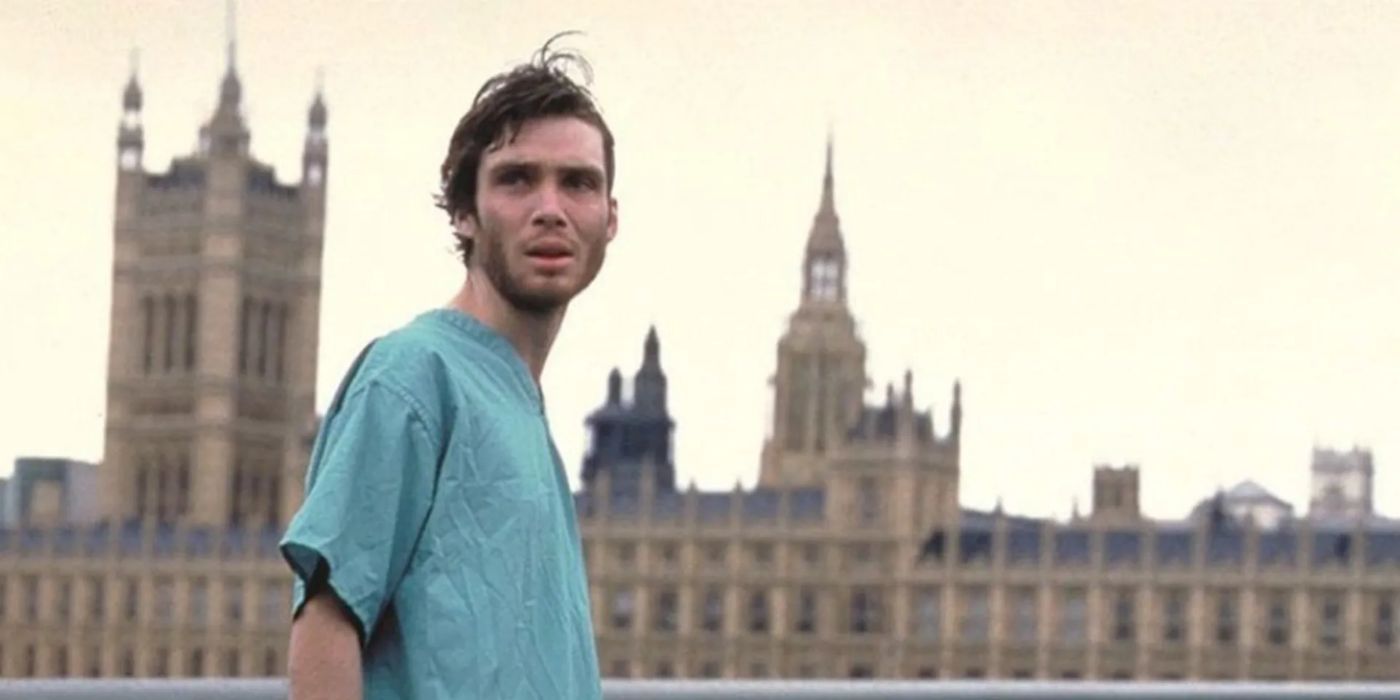
“Rage.” Boyle reinvented the zombie genre with 28 Days Later, even though its monsters technically aren’t undead (they’re infected). Fast, feral, and utterly unforgiving, they gave the horror genre a jolt of pure adrenaline, one that countless filmmakers emulated. The story starts with a man (Cillian Murphy) waking up alone in a deserted hospital. London is empty. Civilization has collapsed. It’s not just a horror film; it’s a state-of-the-nation panic attack.
Shot on grainy digital video and steeped in despair, 28 Days Later portrays post-apocalyptic Britain with a raw, documentary feel. But it’s the human drama that elevates it: survival becomes secondary to morality, trauma, and trust. Murphy leads a pitch-perfect cast through a world where kindness is more fragile than flesh. With another sequel out this year, now’s a good time to revisit this smart, angry little gem. If anything, its themes of a society broken down by rage are even more relevant now than they were on release.
4
‘127 Hours’ (2010)
Starring James Franco and Kate Mara

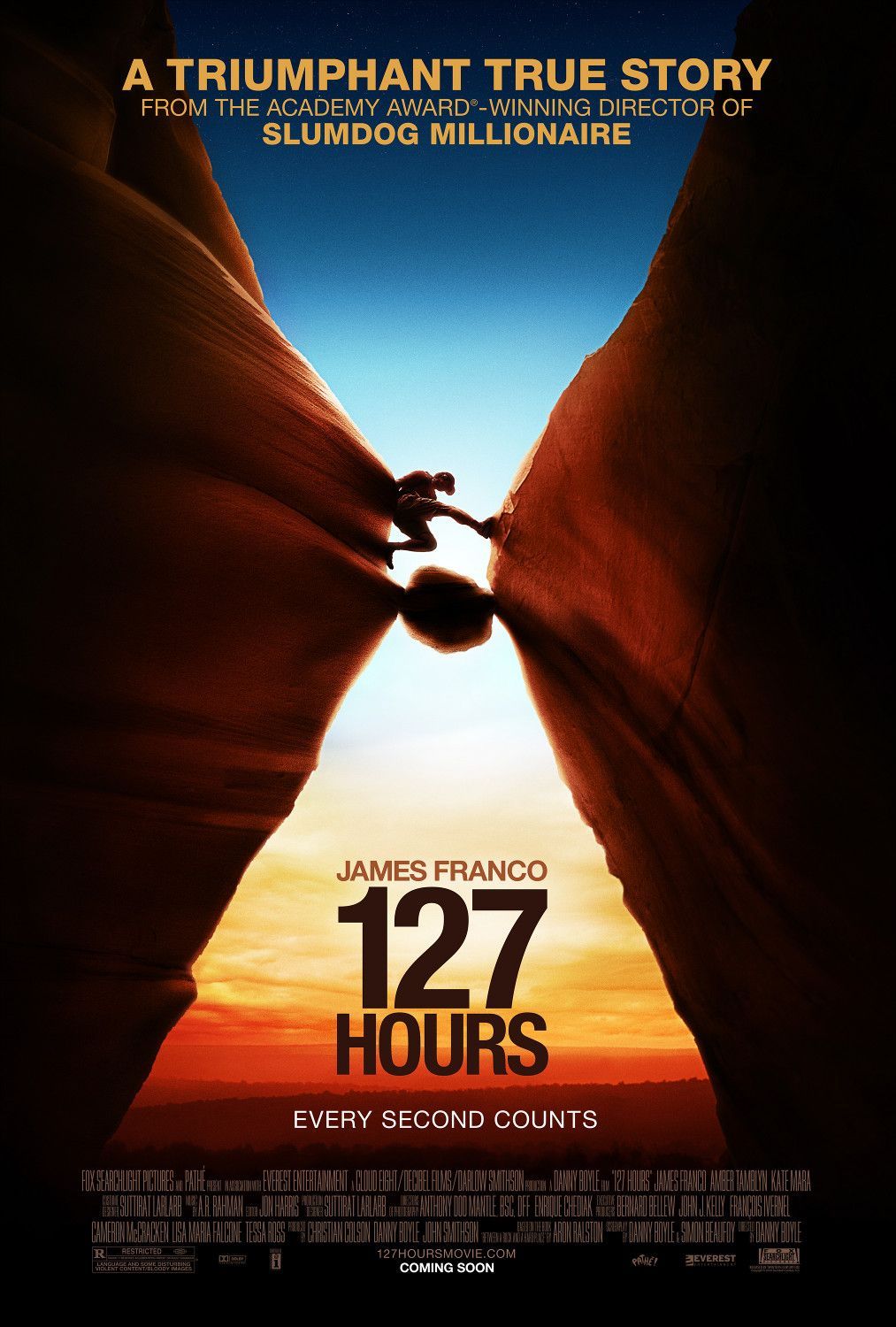
“This rock has been waiting for me my entire life.” Boyle turns a story of extreme isolation into something propulsive and emotional. 127 Hours tells the true story of Aron Ralston (James Franco), a climber trapped by a fallen boulder in a remote Utah canyon. What could’ve been a claustrophobic endurance test becomes a euphoric, nerve-shredding story of survival. Boyle finds movement in stillness, hope in desperation, and life in the face of certain death.
An Oscar-nominated Franco delivers what might be the best performance of his career, balancing bravado and breakdown with astonishing vulnerability. He’s assisted by the assured direction. This material sort of resists dramatization, but Boyle knocks it out the park all the same. He layers hallucinations, flashbacks, and inner monologues with kinetic editing and a relentless score. When the moment of escape comes, it’s brutal, but also transcendent. In the end,127 Hours isn’t about the pain. It’s about the will to keep going.
3
‘Steve Jobs’ (2015)
Starring Michael Fassbender, Seth Rogen and Kate Winslet
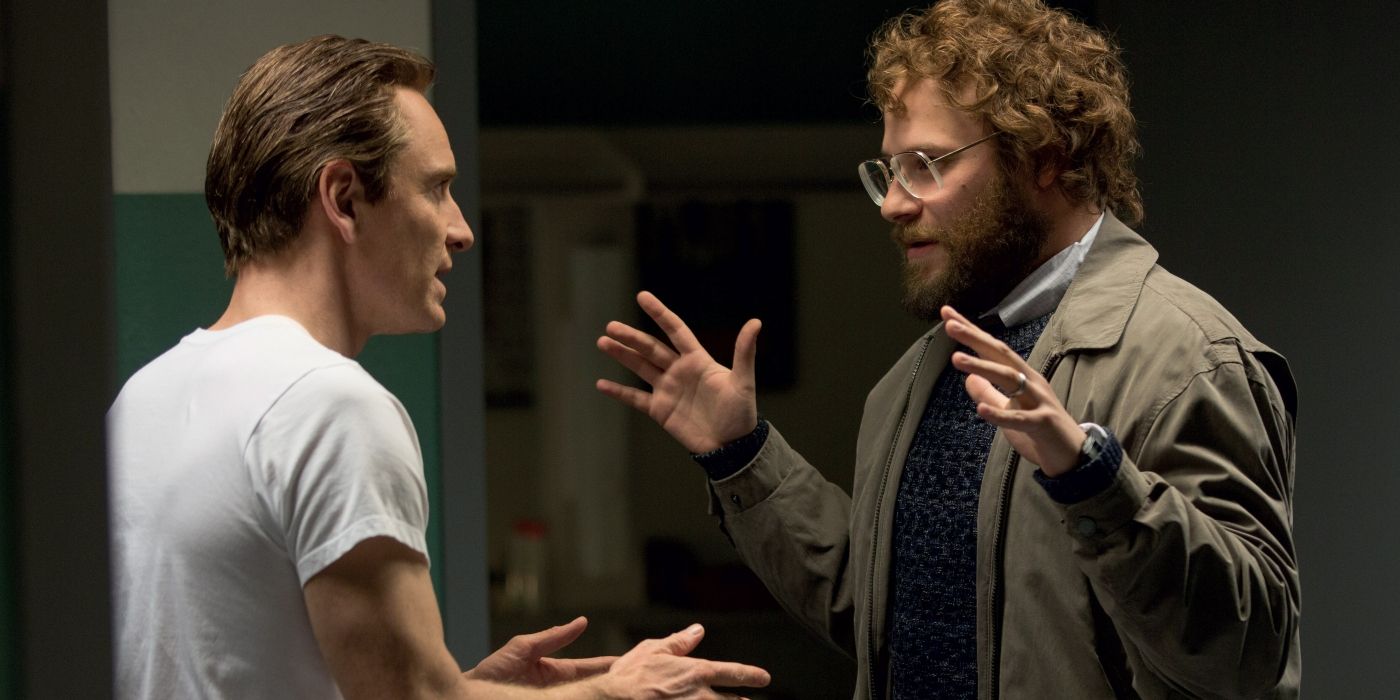
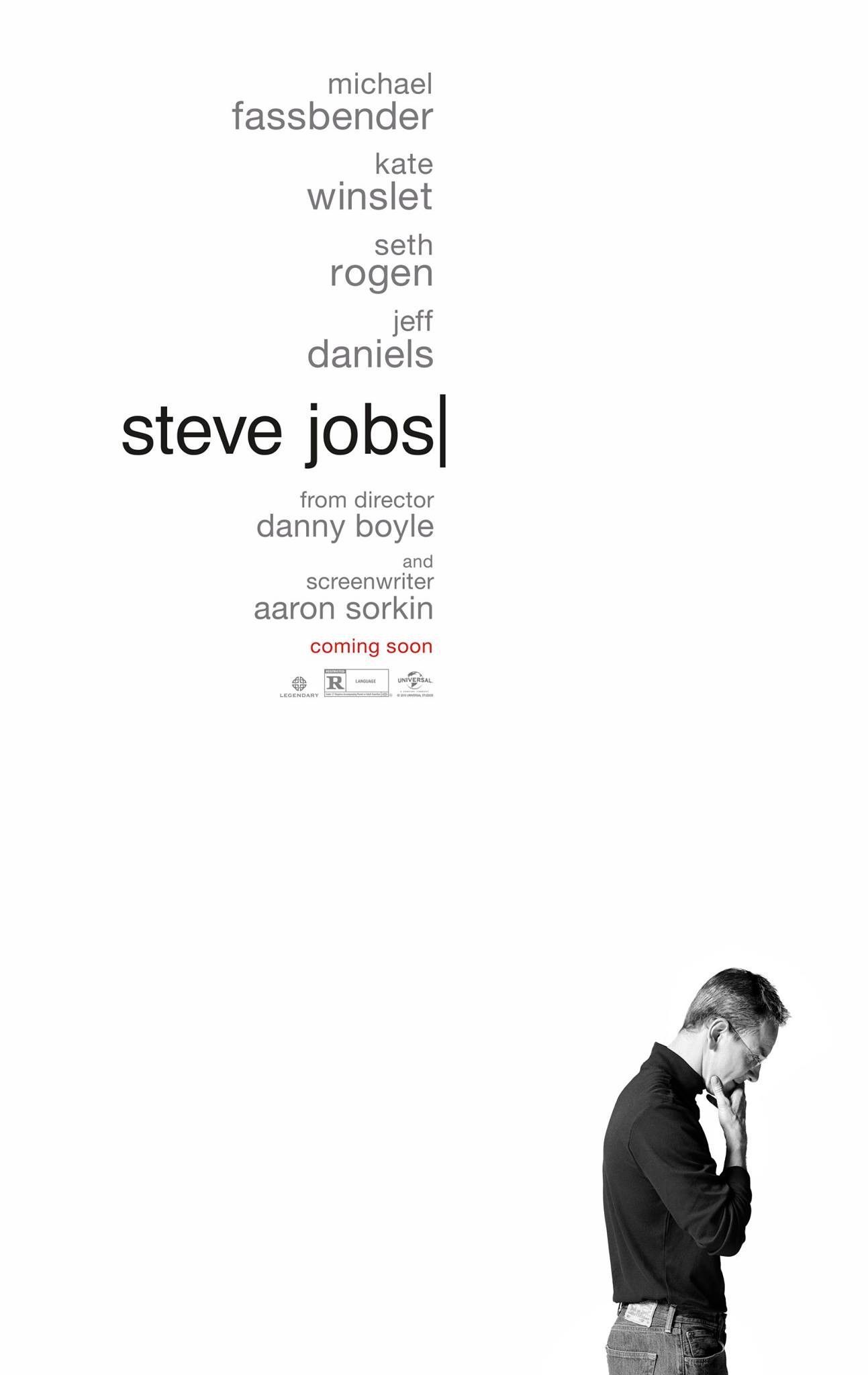
“Musicians play their instruments. I play the orchestra.” Structured around three product launches and driven almost entirely by dialogue, Steve Jobs is a biopic that plays like a tech-infused stage drama. It’s fast, theatrical, and emotionally volatile, less concerned with historical accuracy than with exploring the mythology of one of the most complicated men in modern history. Boyle handles the material with relentless momentum, turning Aaron Sorkin‘s script into a symphony of confrontation, his visual flair never upstaging the words.
This could have been a dry history lessons about computers. Instead, it’s a statement on ego, legacy, and the cost of brilliance. Michael Fassbender is magnetic as Jobs, capturing both his cruelty and charisma. The supporting cast—Kate Winslet, Jeff Daniels, Seth Rogen—spar with him in perfectly timed bursts of tension and tenderness. The themes only hit harder a decade on, as tech billionaires seem to exert ever greater influence on our entire world.
2
‘Slumdog Millionaire’ (2008)
Starring Dev Patel and Freida Pinto
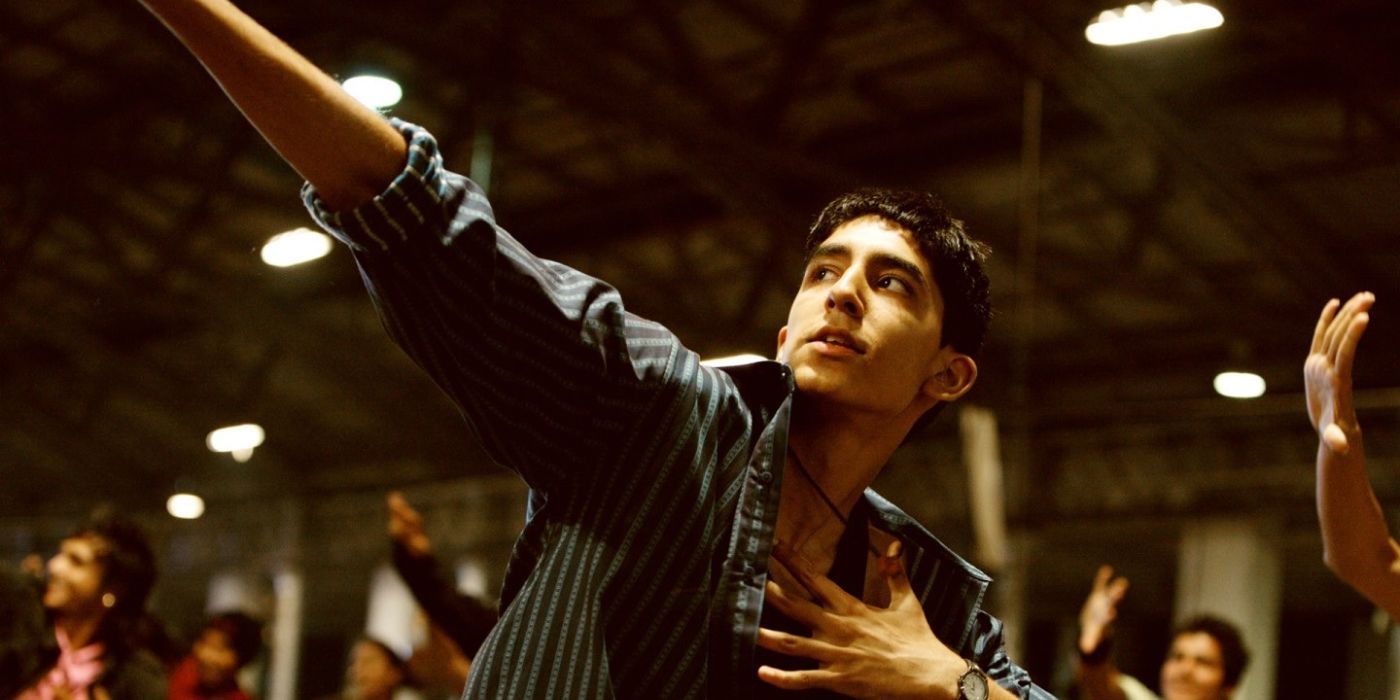
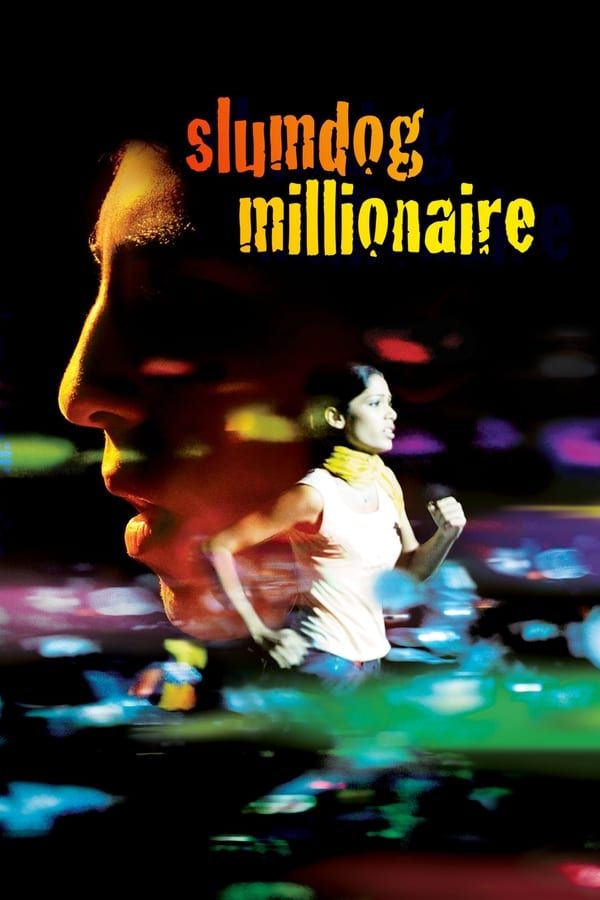
“It is written.” Part romance, part crime thriller, part game show fever dream, Slumdog Millionaire is Boyle’s BestPicture–winning tour de force. Dev Patel gives a breakout performance as Jamal, a Mumbai orphan who becomes a contestant on Who Wants to Be a Millionaire? and surprises everyone by answering every question correctly. Each answer reveals a piece of his life, a brutal, vivid, and ultimately uplifting journey through poverty, corruption, and love.
It’s a fable, the ultimate underdog story, visually electric, emotionally massive, and musically unforgettable. Boyle (a devotee of Indian cinema) combines saturated colors and a pulsating A.R. Rahman score to create a film that feels like it’s dancing and crying at the same time. Some have criticized Slumdog for romanticizing hardship, but it’s less realism than modern myth. The movie may not be subtle but it is sincere. And for better or worse, it’s the film that turned Boyle from cult hero to global auteur.
- Release Date
-
March 5, 2009
- Runtime
-
120minutes
-

-
Freida Pinto
Older Latika
-
Madhur Mittal
Older Salim
-



1
‘Trainspotting’ (1996)
Starring Ewan McGregor, Robert Carlyle and Kelly Macdonald
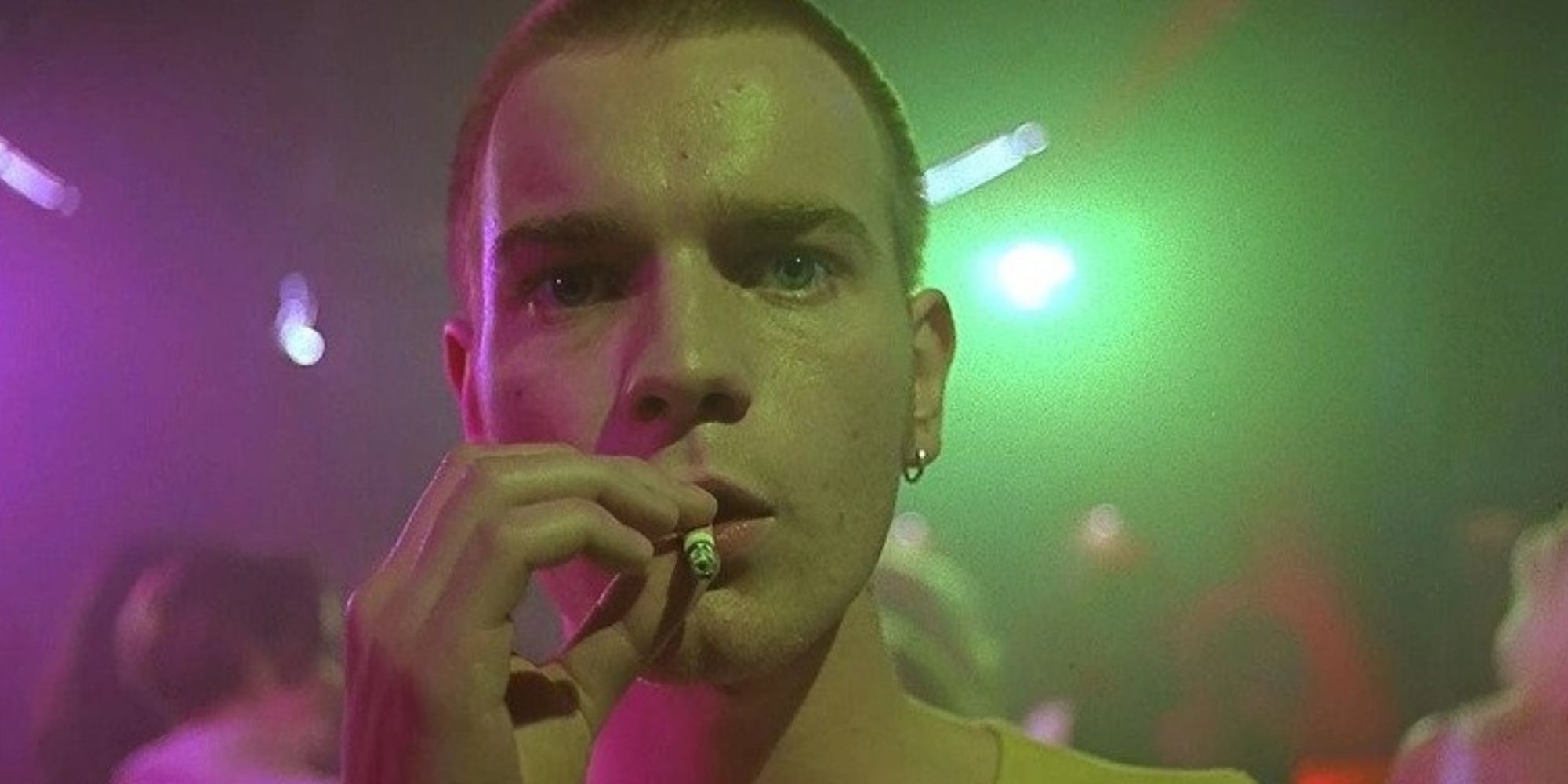
“Choose life. Choose a job. Choose a career. Choose a f***ing big television…” One of the most iconic British films ever made, Trainspotting is as filthy, funny, and ferocious now as it was in the ’90s. A jagged, high-speed portrait of heroin addiction, urban decay, and fleeting youth, it follows Renton, Spud, Sick Boy, and Begbie as they hustle, score, betray, and occasionally dream of escape. It’s a comedy. It’s a tragedy. It’s a warning and a love letter all at once.
What could’ve been miserabilist turns hypnotic in Boyle’s hands. The film never excuses addiction, but it understands the lure of oblivion. The whole thing crackles with punk energy—jarring cuts, hallucinations, toilet dives, and a killer soundtrack. Trainspotting gave British cinema a jolt of electricity, launching multiple careers and cementing Boyle as a director with vision, nerve, and bite. It’s not just his best film. It’s a cultural landmark.