Middle-earth is a fantasy world teeming with gods, demigods, and ancient beings of immense power. But what if two of its most fearsome figures were erased from history before The Lord of the Rings ever saw the light of day? In fact, the legendary author himself, J.R.R. Tolkien, deemed these Valar siblings unfit to be included in his final lore.
Meet Makar and Meássë, two warrior deities from the realm of Valinor — brutal, battle-hungry characters who could have changed the balance of power in LOTR. Thanks to The Book of Lost Tales, fans can explore Tolkien’s earliest writings, which expand on lost stories from older drafts. So why did Tolkien decide to cut these Valar from his grand mythology? Their story was worthwhile, but their passions went against the very core of the author’s moral compass.
Makar and Meássë Were Once Written Into the Original Account of Valar in ‘The Lord of the Rings’
Middle-earth would not have existed without Arda’s creator Eru Ilúvatar, “The One” who also gave birth to the mighty Valar. According to The Silmarillion, there were originally 15 Valar that entered the world until Melkor became the first Dark Lord, Morgoth, making them 14 in total. Despite their physical absence in Peter Jackson‘s film adaptations, these angelic gods are vital to the entire structure of the main narrative. However, Tolkien disliked two of his most powerful characters so much he had to shoo them into the abyss.
Makar and Meássë were initially part of the Valar introduced in The Book of Lost Tales, and were said to be the strongest of the Ainur. The other Valar represented order, creation, and wisdom; however, the two siblings represented the domain of war and loved violence for violence’s sake. Makar was called “God of Battle”, imagined as a towering, axe-wielding warrior. His sister, Meássë, was even more ferocious, described as an “Amazon with bloody arms,” delighting in battle and slaughter. They lived in a grim iron fortress on the fringes of Aman, near the Halls of Mandos.
Unlike Morgoth, Makar and Meássë were not evil in the traditional sense. They simply believed in the raw, untamed power of combat. Tolkien wrote, “[they] r[o]de upon the gales and rejoice[d] in earthquakes and the overmastering furies of the ancient seas.” The siblings were not popular amongst the Valar because of their constant mischief. Only Tulkas, the champion Vala, liked to visit Makar to engage in sparring matches. When the Valar moved to Valinor, Makar and Meássë even argued against bringing the Elves, insisting that the Undying Lands were meant only for the gods. They also had a complicated relationship with Morgoth that began during the Music of the Ainur.
Related
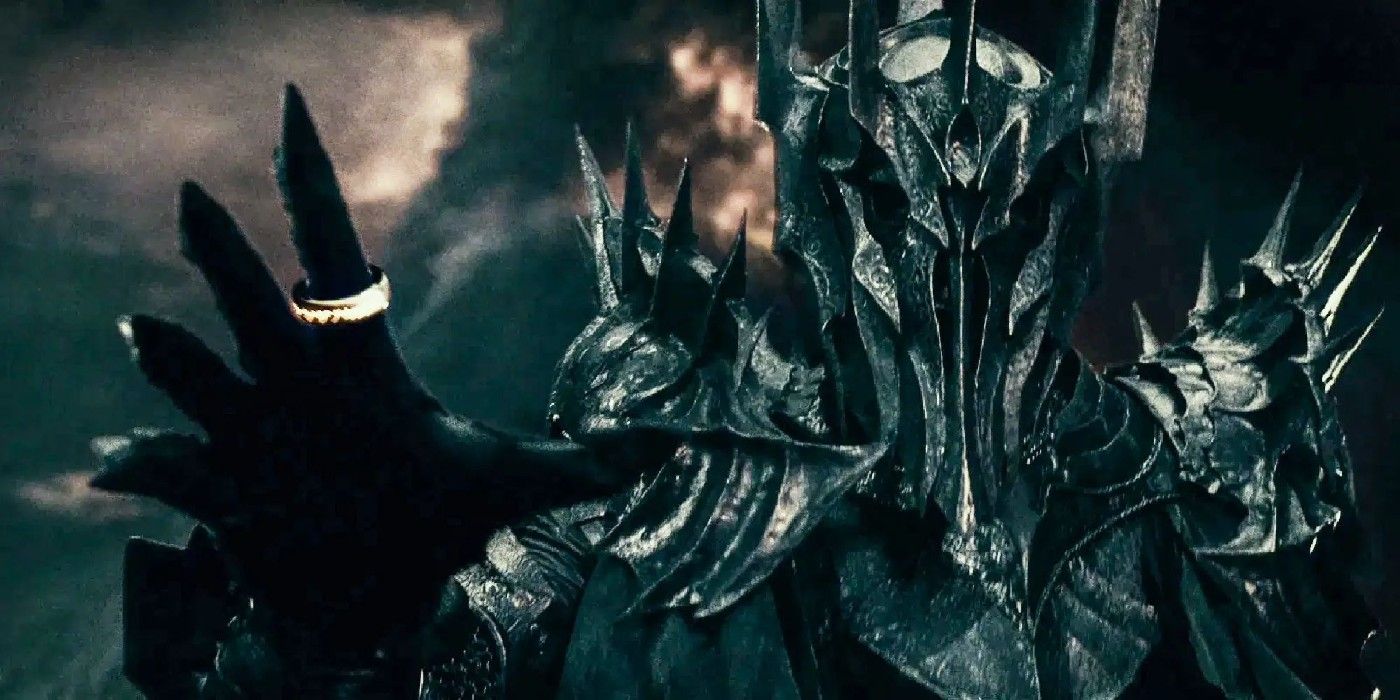
Here’s Why Sauron Was So Powerful in The Lord of the Rings
Fallen angels always make the best bad guys.
J.R.R. Tolkien Removed Makar and Meássë From ‘The Lord of the Rings’ Because They Glorified War
During the Ainulindalë, the cosmic song that shaped Middle-earth, Makar and Meássë fixed their melodies to Melkor’s, aligning themselves with his rebellious goals. However, upon entering Arda, they chose not to serve him and helped the Valar defeat Morgoth during the Battle of the Powers. Makar notably returned with bloodied hands, having slain two of the Dark Lord’s fleeing servants.
At first glance, Makar and Meássë seem like a seamless fit into the iconic legendarium of LOTR. Therefore, why did they need to disappear? The answer lies in Tolkien’s evolving vision for his narrative’s message. In the earliest drafts, the Valar were more like the Greek or Norse gods — flawed yet powerful. But over time, the author refined the Ainur into more angelic figures, each embodying an essential aspect of creation.
Makar and Meássë, with their love of bloodshed, no longer passed the check. Their presence would have muddied the distinction between good and evil in The Silmarillion. The Valar were meant to symbolize order, while Morgoth marked the tonal shift into pure darkness. The brother and sister’s glorification of battle was a strange middle — too violent to be fully good, but not quite evil enough to be on Morgoth’s side. Tolkien himself has experienced the horrors of war, which inspired the blueprint of The Hobbit. As he moved away from a mythos inspired by warring gods and toward a more biblical universe, Makar and Meássë didn’t belong anymore.
Had the siblings survived Tolkien’s edits, Makar and Meássë could have added a gray area to Middle-earth’s moral landscape. They would have introduced an element of unpredictability, challenging the corrupting influence of gods and men. Instead, their legacy was absorbed into other characters. Tulkas inherited their love of battle, but he fights with righteousness rather than bloodlust. And the spirit of unchecked war lived on in Morgoth and Sauron, where violence was used as a tool for domination rather than a sport.