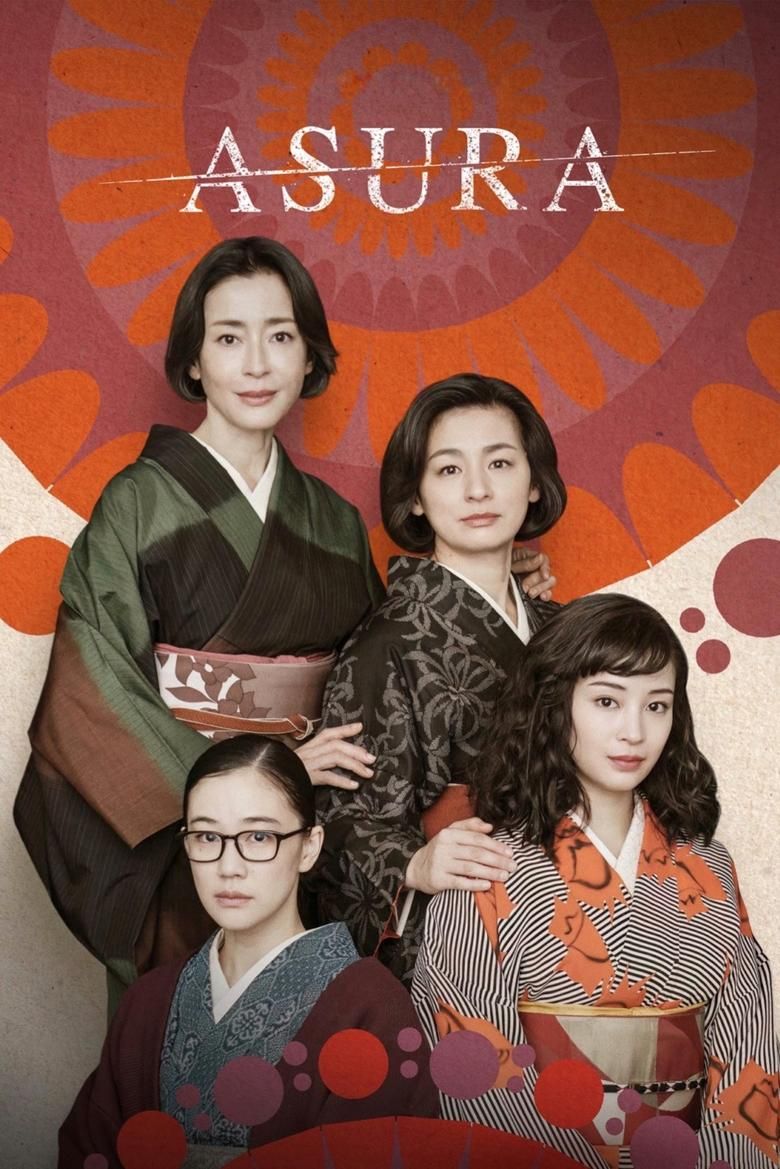
The Netflix series Asura has so much depth and emotion that it makes other shows on the platform weep at its themes. Like its movie director Hirokazu Kore-eda — who is widely regarded as one of Japan’s finest filmmakers — this seven-episode limited series does not rely on being loud and flashy or going viral for popularity. This drama was intentionally created for intimacy, detail, heartbreak, and compassion; therefore, viewers are guaranteed to experience what is meant by universal praise.
What Is ‘Asura’ About?
Set in late-1970s Tokyo, Asura centers on four sisters whose lives are thrown off-balance when one of them discovers that their father has been having an affair for years and secretly raising a child with another woman. The reveal should be explosive. Instead, it spreads like slow shock through the family.
One sister wants to pretend it never happened. Another lashes out because it forces her to confront her own crumbling marriage. Another recognizes the hypocrisy of judging their father while hiding her own morally gray choices. And the youngest wants everything to stop unraveling.
What starts as a cheating scandal becomes a story about responsibility, resentment, silence, and the emotional work women are expected to carry — whether they want to or not. On paper, Asura could have easily leaned into melodrama. Instead, Kore-eda does the exact opposite. He slows everything down. He lets conversations linger. He allows humor to live next to sadness. Family dinners look warm and normal even while everything underneath is fractured. The show is constantly reminding you that life doesn’t pause just because something emotionally catastrophic is happening.
The sisters feel real. Their anger feels earned. Their tenderness doesn’t feel staged. And crucially, nobody is framed as “the villain.” They’re all flawed, emotional, empathetic, occasionally selfish, occasionally heroic — like actual people.

Why ‘Asura’ Feels So Different From Other Netflix Dramas

If This Is Us was your emotional safe place — that perfect blend of humor, tenderness, generational wounds, and cathartic tears — Asura is very much in that lineage, just with a distinctly Japanese sensibility and Kore-eda’s unmatched humanism. It’s warm without being sentimental, devastating without being cruel, and deeply empathetic without romanticizing anyone’s flaws.
Part of what makes Asura so compelling is the context. It takes place at a time when women were expected to endure, adapt, and stay composed, no matter what marriages or family pressures demanded from them. Each sister pushes against that expectation differently. Some resist. Some bury their frustration. Some choose to live with compromises and then try to convince themselves it’s fine. The show never yells its themes. It just lets them breathe. And that makes them hit harder.
If you’ve seen Shoplifters, Nobody Knows, or Monster, you know Kore-eda excels at capturing complicated people with gentleness rather than judgment. Asura carries that same DNA. The writing is sharp but empathetic. The direction is calm but emotionally loaded. And the performances — especially from Machiko Ono and Yu Aoi — are quietly knockout-level good.
It’s also surprisingly funny. The sisters tease each other. They complain. They laugh. They fight and then cook together anyway. The show understands that humor is part of how families survive each other. Asura doesn’t chase twists. It doesn’t rely on spectacle. It simply builds characters so rich that you want to sit with them, even when it hurts. It feels lived-in and honest. Most importantly, the drama makes you care. You grow attached to these sisters. You recognize their frustrations, their bad decisions, their loyalty, and their love. You root for them even when they’re wrong. You laugh because they’re funny; you ache because they’re real.