Horror movies aren’t for everybody, but everyone should watch these at least once. Horror is one of cinema’s most versatile genres, capable of provoking fear, discomfort, and even laughter in equal measure. The following horror movies represent essential viewing, whether for their innovation, cultural impact, or enduring power. From silent-era masterpieces to modern classics, each is a must-watch experience.
Across decades, horror has evolved dramatically, shifting from expressionist nightmares to psychological slow burns and genre-bending hybrids. Each era has produced defining works that influenced countless filmmakers and reshaped audience expectations. Watching these films offers a crash course in film history as much as it does unforgettable scares.
The Witch (2015)
Robert Eggers’ The Witch is a masterclass in slow-burn horror, prioritizing atmosphere and psychological tension over traditional jump scares. Set in 1630s New England, the film follows a deeply religious family unraveling after being banished from their Puritan settlement. Its commitment to historical authenticity grounds the supernatural terror in unsettling realism.

8 Horror Movies You Didn’t Realize Had Casts Full Of Future A-List Stars
Before they were household names, these budding stars got their start in iconic horror films, facing masked killers and blood-soaked nightmares.
The Witch’s horror stems largely from paranoia, repression, and fear of the unknown. As distrust grows within the family, the wilderness surrounding their farm becomes an ominous presence, embodying both spiritual temptation and existential dread. Eggers uses silence, shadows, and natural sound to amplify the creeping sense of doom.
The Witch rewards patient viewers with a chilling exploration of faith, guilt, and liberation. Its final act is haunting precisely because it feels inevitable. It’s one of the most important horror movies of the 21st century.
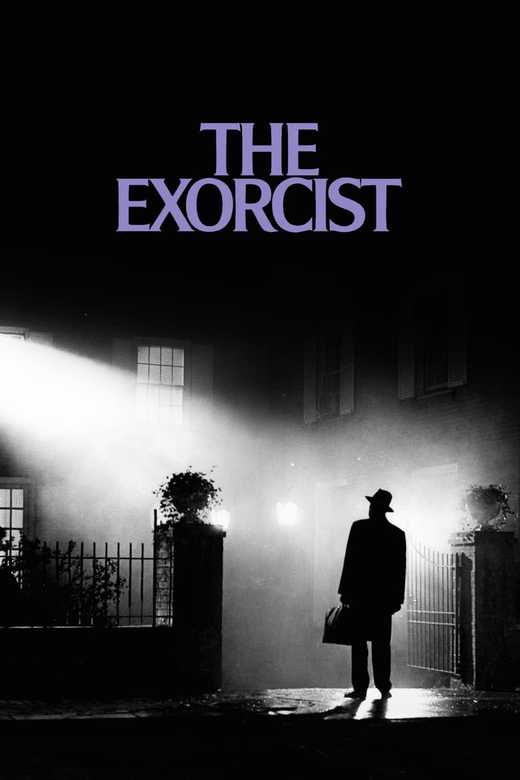
The Exorcist (1973)

Few horror films have had the cultural impact of The Exorcist, a movie that shocked audiences and redefined mainstream horror. Directed by William Friedkin, the film treats demonic possession with clinical seriousness, grounding its supernatural elements in medical realism and emotional authenticity. This approach makes its terrifying moments hit far harder.
At its core, The Exorcist is about faith and sacrifice. The dual journeys of Regan’s mother and the two priests elevate the story beyond shock value, turning it into a deeply human drama. The horror emerges not just from possession, but from the fear of helplessness and some truly terrifying dialogue.
Even decades later, The Exorcist’s imagery, sound design, and performances remain profoundly unsettling. It helped establish horror as a much more prestigious genre than many previously perceived. Watching The Exorcist is essential for understanding how horror can confront spiritual and emotional fears with brutal sincerity.
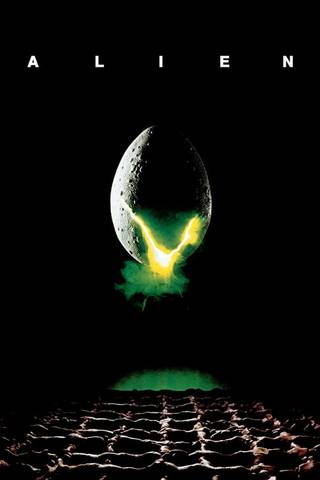
Alien (1979)
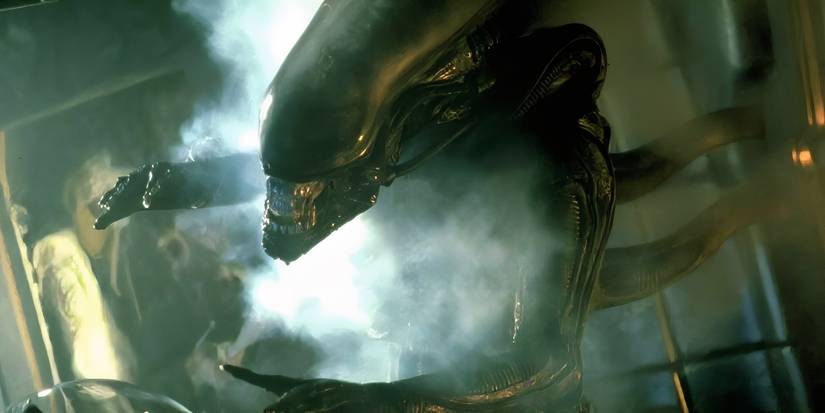
Alien blends science fiction and horror into a seamless, terrifying experience that remains unmatched. Ridley Scott transforms the vastness of space into a claustrophobic nightmare, where isolation becomes the ultimate vulnerability. The slow reveal of the xenomorph allows dread to build organically.
Alien’s production design and soundscape are integral to its horror. From the biomechanical terror of H.R. Giger’s creature to the cold, industrial corridors of the Nostromo, every element contributes to a sense of inescapable menace. The alien itself represents violation and survival stripped of morality.
Sigourney Weaver’s Ripley redefined the genre’s protagonist. She offered resilience without sacrificing realism, forging a feminist icon. Alien is essential viewing not only for its scares, but for proving horror thrives even in the furthest reaches of space.
Shaun Of The Dead (2004)
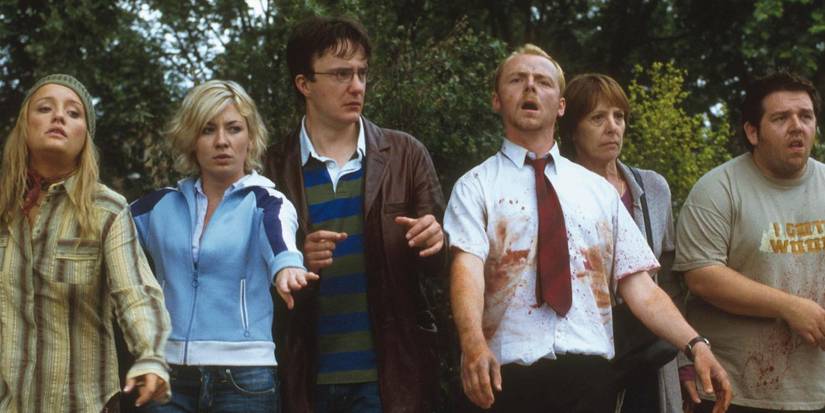
Shaun of the Dead is a rare horror-comedy that fully respects both halves of its genre identity. Edgar Wright’s film lovingly parodies zombie tropes while delivering genuine emotional stakes and surprisingly effective scares. Its humor never undermines its understanding of horror conventions.
They do intersect, but they frequently run parallel. It’s not a spoof, it’s a rom-com with zombies. Shaun of the Dead explores themes of stagnation, friendship, and growing up through the lens of a zombie apocalypse. Shaun’s journey from passive complacency to active responsibility mirrors the chaos unfolding around him.
This character-driven approach makes the comedy and horror equally effective. By balancing laughs with gore and heart, Shaun of the Dead demonstrates the flexibility of horror storytelling. It’s a perfect gateway film, showing that the genre can be clever, self-aware, and emotionally resonant all at once.
Bride Of Frankenstein (1935)
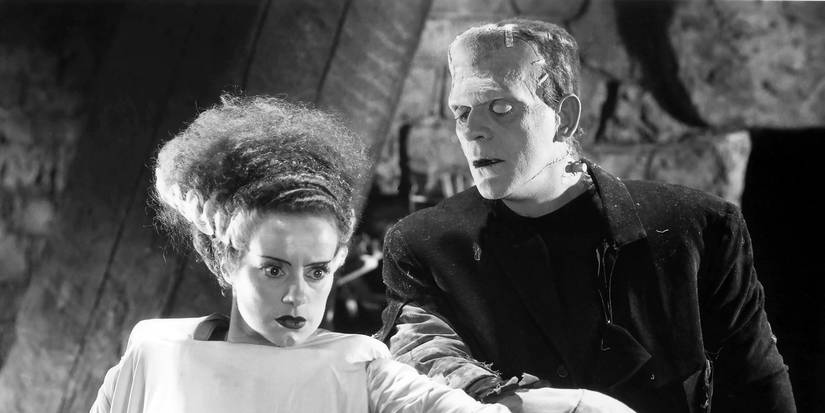
Bride of Frankenstein is a landmark sequel that surpasses its predecessor in ambition and thematic depth. James Whale infuses the acclaimed horror film with gothic spectacle while embracing dark humor and tragic romanticism. The result is a horror movie that feels remarkably modern.
At its heart, Bride of Frankenstein is about loneliness and the desire for companionship. The Monster’s longing is portrayed with heartbreaking sincerity, transforming him from a figure of fear into one of empathy. The Bride herself becomes a symbol of cruel inevitability.
Visually striking and emotionally rich, Bride of Frankenstein helped shape the language of horror cinema. Watching it today reveals how early filmmakers used genre storytelling to explore humanity and identity. It’s also genuinely funny, often spoofing the original in innovative and amusing ways.
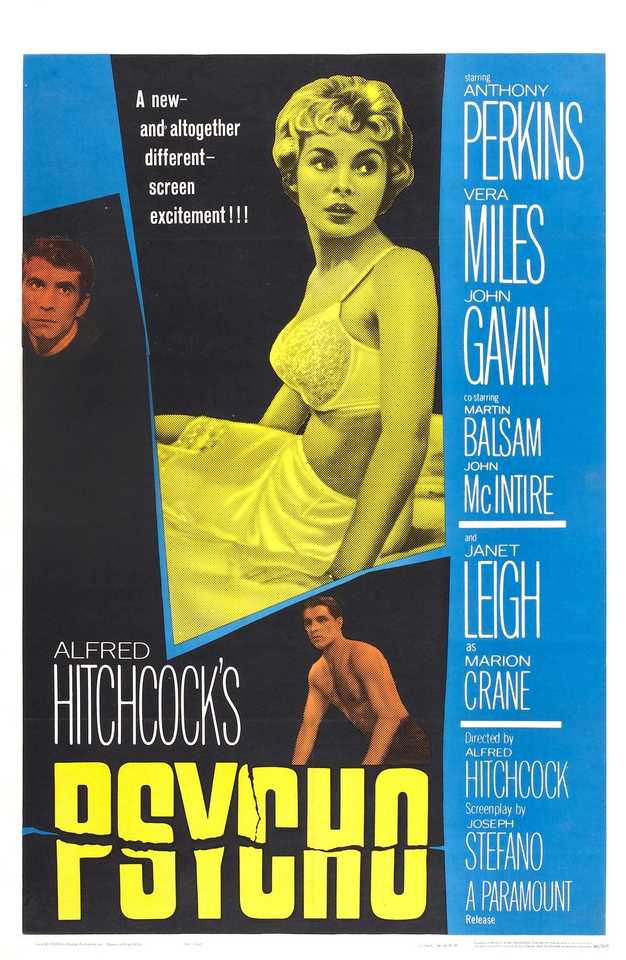
Psycho (1960)
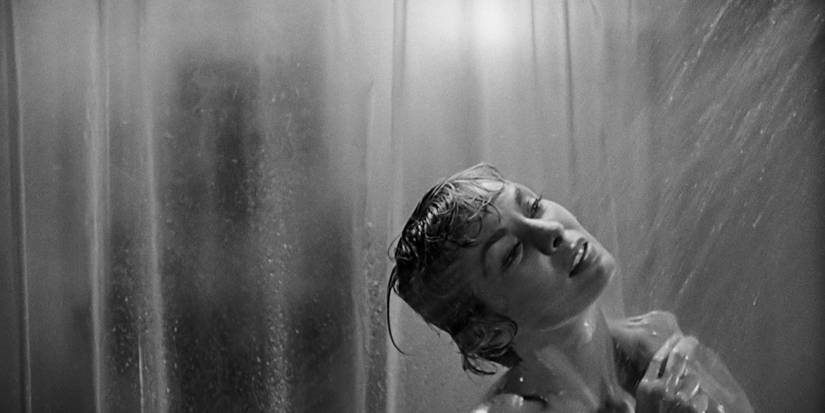
Alfred Hitchcock’s horror movie masterpiecePsycho shattered expectations and permanently altered horror storytelling. By killing its apparent protagonist early on, the film destabilizes the audience and creates a lingering sense of unease. Nothing feels safe once the rules are broken.
The infamous shower scene remains a masterclass in editing, sound, and implication. Hitchcock proves that suggestion can be more horrifying than explicit violence. Bernard Herrmann’s piercing score amplifies every moment of tension and shock, creating a true cultural touchstone.
Beyond its scares, Psycho delves into themes of identity, repression, and voyeurism. Its influence can be seen across decades of psychological thrillers and spawned the slasher boom. Watching Psycho is essential for understanding how horror learned to manipulate audience expectations so effectively. It also places these within a crime thriller framework, making it perfect for new horror audiences.
The Blair Witch Project (1999)
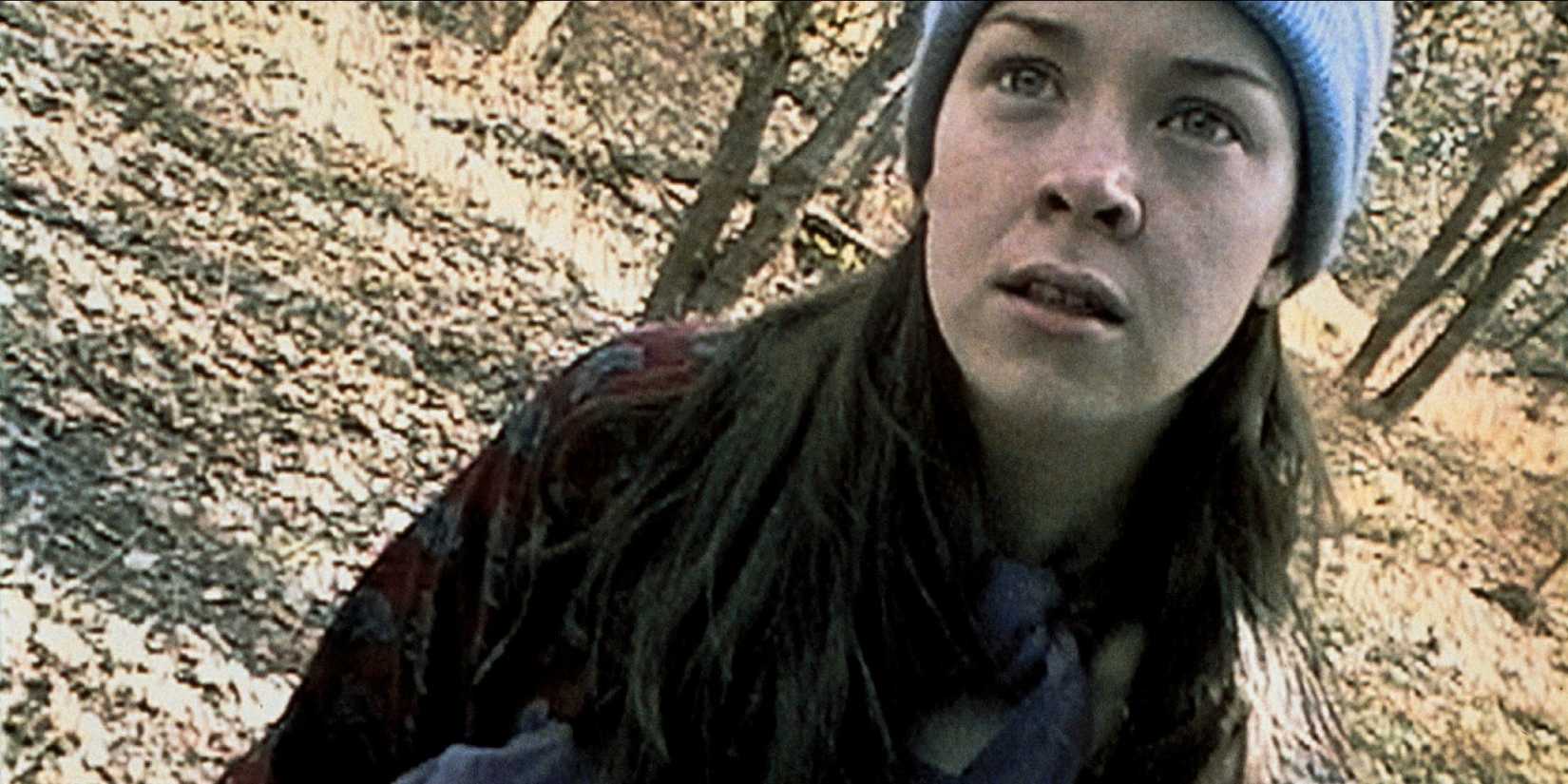
The Blair Witch Project revolutionized horror by popularizing the found-footage format. Its low-budget aesthetic and improvised performances created an unsettling sense of realism that audiences hadn’t experienced before. The marketing campaign blurred fiction and reality in groundbreaking ways, suggesting the movie could be real through ancillary media that didn’t even reference the Blair Witch.
Rather than showing its eponymous witch, the film relies on suggestion, sound, and mounting panic. The characters’ fear becomes palpable, even contagious, making the audience feel trapped alongside them. The woods themselves become an oppressive, disorienting force.
The Blair Witch Project proves that imagination is horror’s most powerful tool. Its terrifying climax is a masterclass in tension and minimalism. Its legacy extends far beyond its runtime, influencing countless films and redefining how effective low-budget technology can be in delivering unforgettable fear.
Night Of The Living Dead (1968)
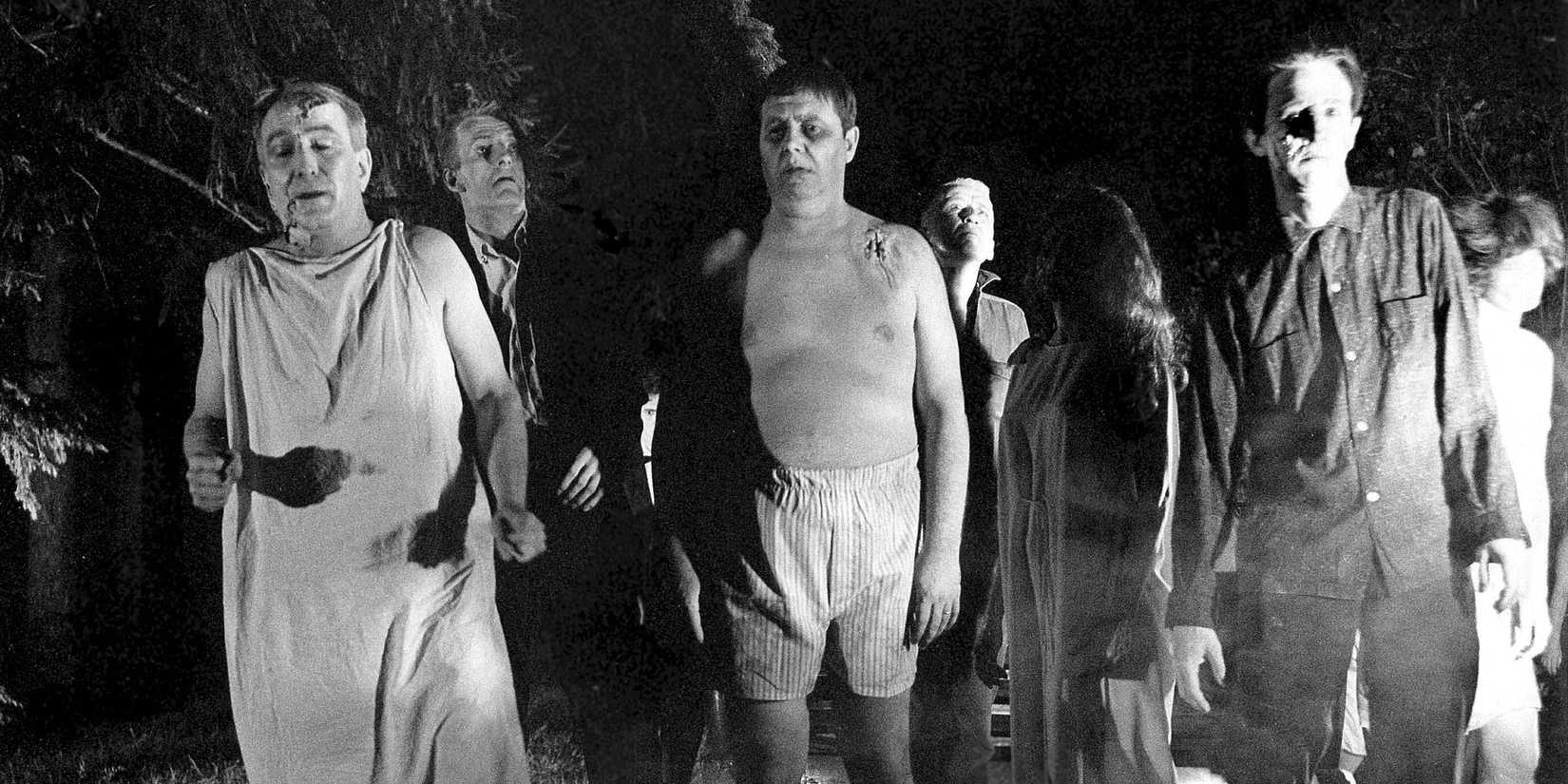
George A. Romero’s Night of the Living Dead reshaped horror with its bleak tone and social commentary. The film introduced modern zombie mythology while presenting a terrifying vision of societal collapse. Prior to this, zombies were depicted as mindless slaves created with voodoo.
It was Romero’s movie that spawned the flesh-eating living dead iteration that dominates zombie movies today. Yet the horror comes not just from the undead, but from human conflict and mistrust. As the characters argue and fracture, survival becomes increasingly impossible. Romero uses this tension to critique authority, violence, and conformity.
The film’s shocking ending cemented its reputation as a genre classic. Night of the Living Dead remains essential viewing for its influence, its fearlessness, and its demonstration of how horror can reflect uncomfortable social truths. Today, its black-and-white cinematography enhances its documentary-like dread rather than feeling dated.
The Cabinet Of Dr Caligari (1920)

The Cabinet Of Dr Caligari is one of the earliest and most influential horror films ever made. Its expressionist style uses warped sets and exaggerated, painted shadows to externalize psychological terror. Every visual choice contributes to an atmosphere of madness.
The story’s themes of control and unreliable perception were groundbreaking for the time. The film’s framing device offered the first twist ending in cinematic history. It invites viewers to question reality itself, creating unease that feels remarkably contemporary.
As a silent film, Caligari proves that horror does not rely on sound or gore. Its lasting power lies in its visuals and ideas: The Cabinet of Dr Caligari is a haunting and tragic tale told through a staggeringly innovative design. It’s essential viewing for all cinema fans, horror or not.
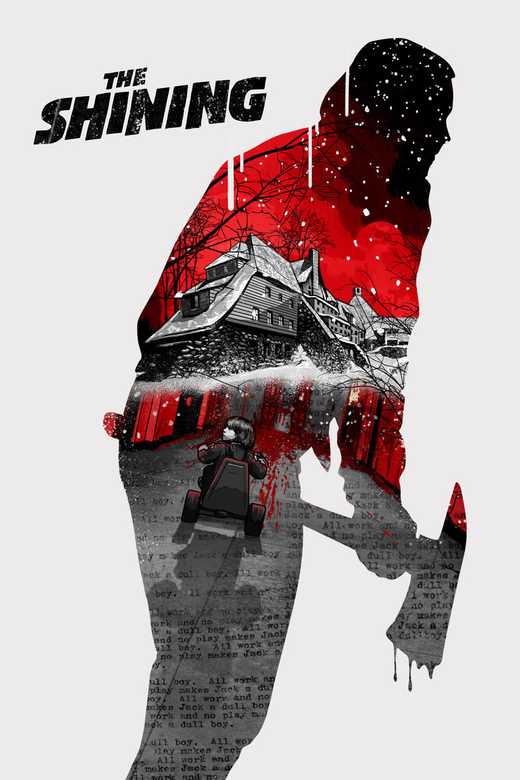
The Shining (1980)
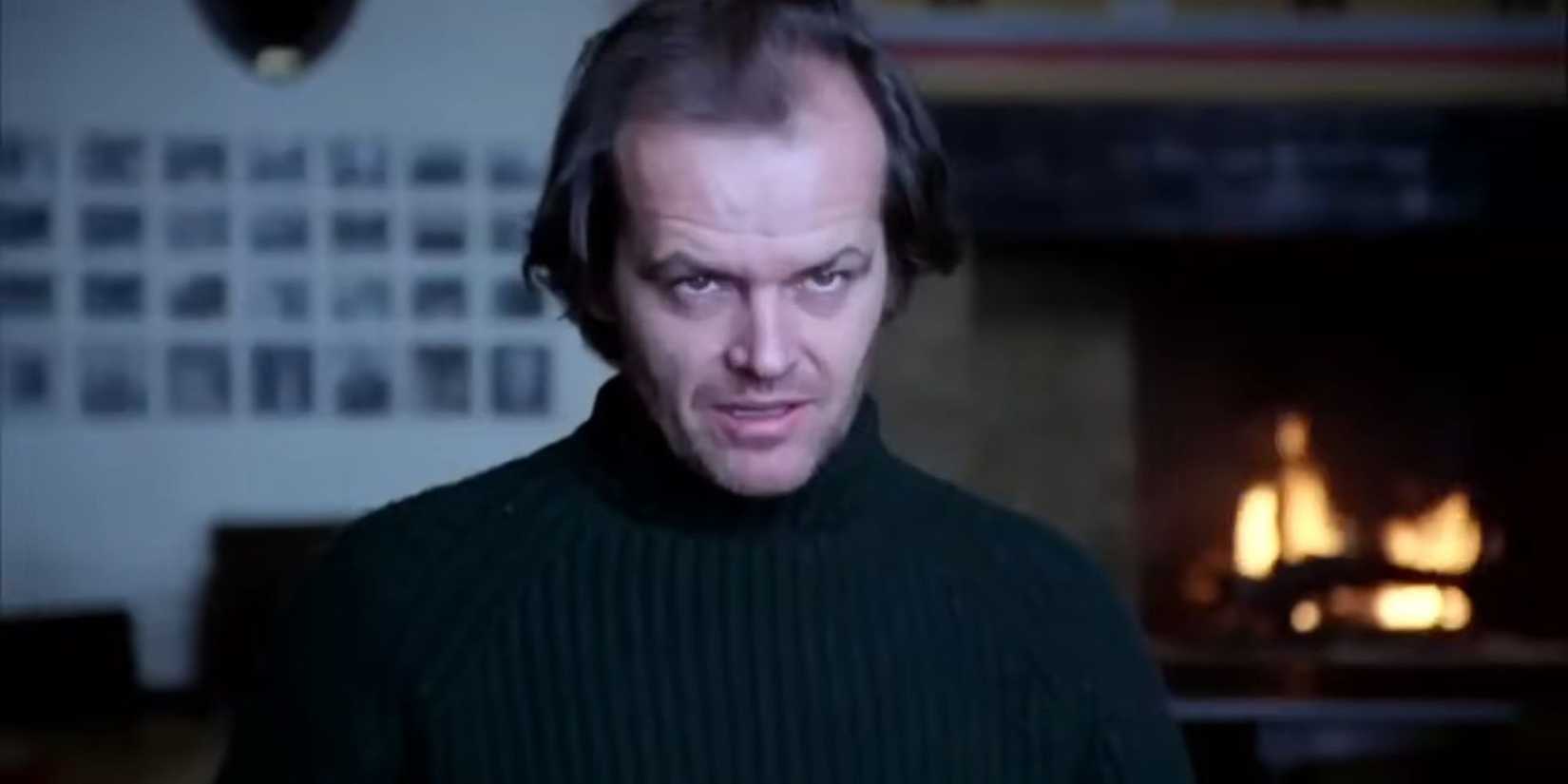
Stanley Kubrick’s The Shining is a hypnotic descent into isolation and madness. Set almost entirely within the Overlook Hotel, the film uses symmetry, long tracking shots, and eerie silence to create constant unease. Every frame is deliberately unsettling, with hidden details (such as impossible windows and televisions that aren’t plugged in) that create a true sense of unease.
Jack Nicholson’s pitch-perfect horror movie performance anchors the escalating dread, while Shelley Duvall conveys unparalleled raw vulnerability. Cleverly, the supernatural elements are ambiguous. It leaves viewers unsure whether the true horror is paranormal or psychological.
The Shiningrewards repeat viewings with layers of symbolism and unanswered questions. Its ability to disturb without clear explanations has cemented it as one of the most endlessly discussed and essential horror films ever made. The Shining proves that horror can be high art that’s debated and discussed decades after release.
-

-
The Exorcist
9/10
- Release Date
-
December 26, 1973
- Runtime
-
122 minutes
-
Ellen Burstyn
Chris MacNeil
-
Linda Blair
Regan MacNeil
-
-
-