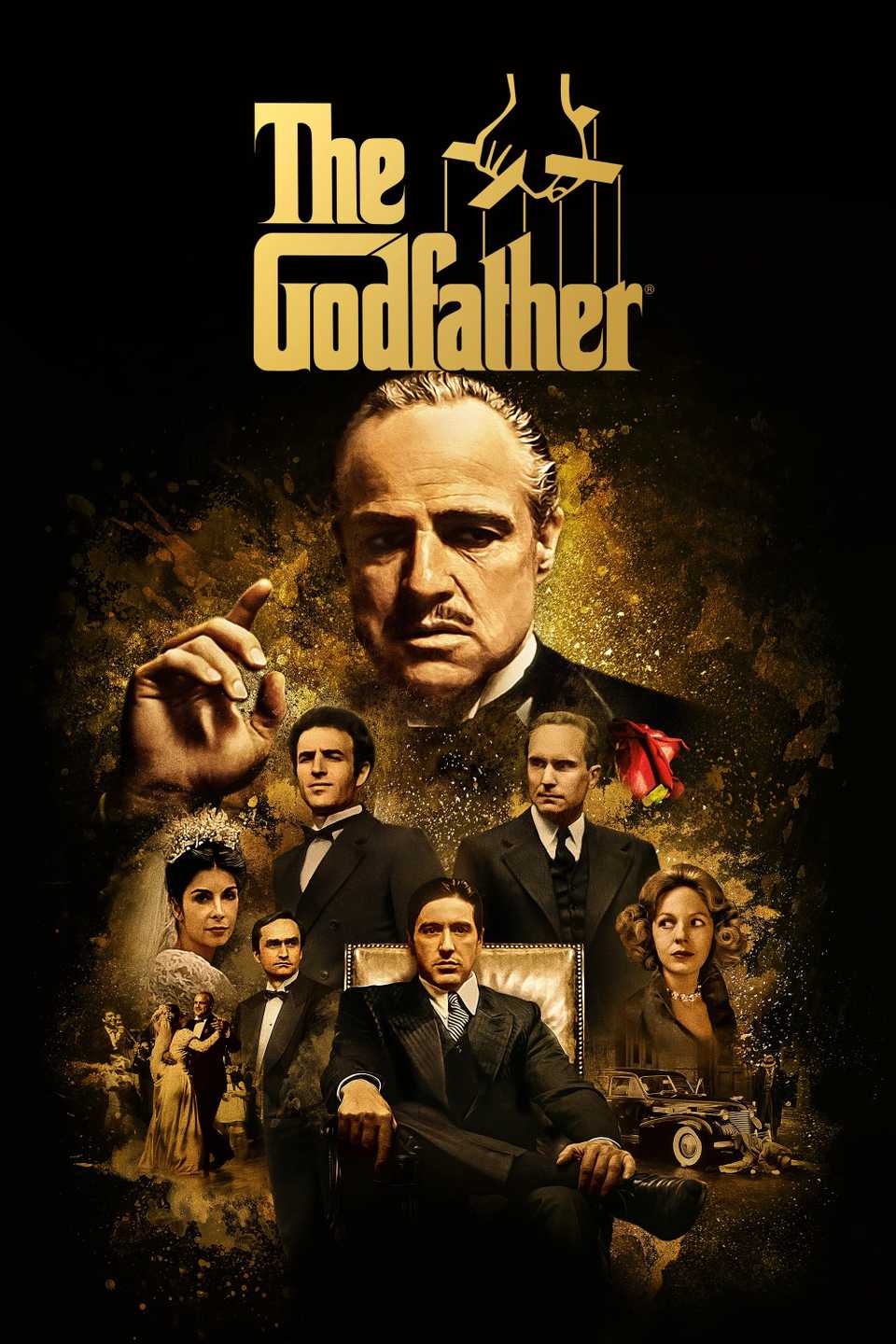
The Godfather‘s title is more ambiguous than it might seem at a glance. The moniker most obviously applies to Marlon Brando’s character, Don Vito Corleone, who is referred to by Bonasera as “Godfather” in the opening scene, starting a motif that recurs throughout the movie. Vito is also the literal godfather of Johnny Fontane, cementing the connection.
But The Godfather isn’t Vito’s journey; it’s Michael’s. By the end of Francis Ford Coppola’s 1972 masterpiece, Al Pacino’s Michael Corleone has succeeded his father in the Godfather role, and the next two films portray him as don. The bloody baptism scene at the end of The Godfather also involves Michael becoming godfather to his sister’s child, pulling ownership of the movie’s title even closer toward him.
In reality, The Godfather‘s title is designed to apply equally to both leaders of the Corleone family. There is, however, a third paternal figure running throughout all three films, just as godfather-y as Vito and Michael.
The Third “Godfather” Is America Itself
America is very much a character in its own right throughout The Godfather. That’s true of Mario Puzo’s original novel, but Coppola’s movie adaptation doubles down on the idea of having America as an overarching, living presence across the story.
This becomes apparent from the opening seconds: Bonasera’s “I believe in America” line that raises the curtain on events to come. Bonasera’s words speak to the promise of America’s opportunities and obstacles from the immigrant perspective. Then, in The Godfather Part II, that experience is chronicled in full by the backstory of a younger Vito Corleone arriving on Ellis Island and finding his feet in New York as a young man.
Whether it be Vito in the past or Michael in the present, the soul of America – its gifts, its kindness, its anger, its representatives – dictates the lives of The Godfather‘s two main protagonists, always looming in the shadows like some kind of deity. But the Corleones’ America is less of a god and more a godfather.
The title “Godfather” exudes equal parts authority and nurturing. It’s a role Vito and Michael both fill for those under their leadership, but who serves as Don Corleone’s own godfather? That would be the spirit of America itself.
How Francis Ford Coppola Portrays America As A “Godfather”
Key moments throughout the Godfather saga show America as a parental figure. When Vito lands on Ellis Island as a child, he’s greeted by an uncaring immigration officer who registers him with the wrong surname, then he’s locked away in isolation due to smallpox. We know America is, ultimately, taking Vito under its wing here, but its treatment is cold, lonely, unfeeling.
Still, there’s a sense that this brutal experience will help forge the harder Vito viewers know is on the horizon. In that sense, America is very close to how The Godfather typically characterizes fathers and father figures – caring at the core but somehow still distant.
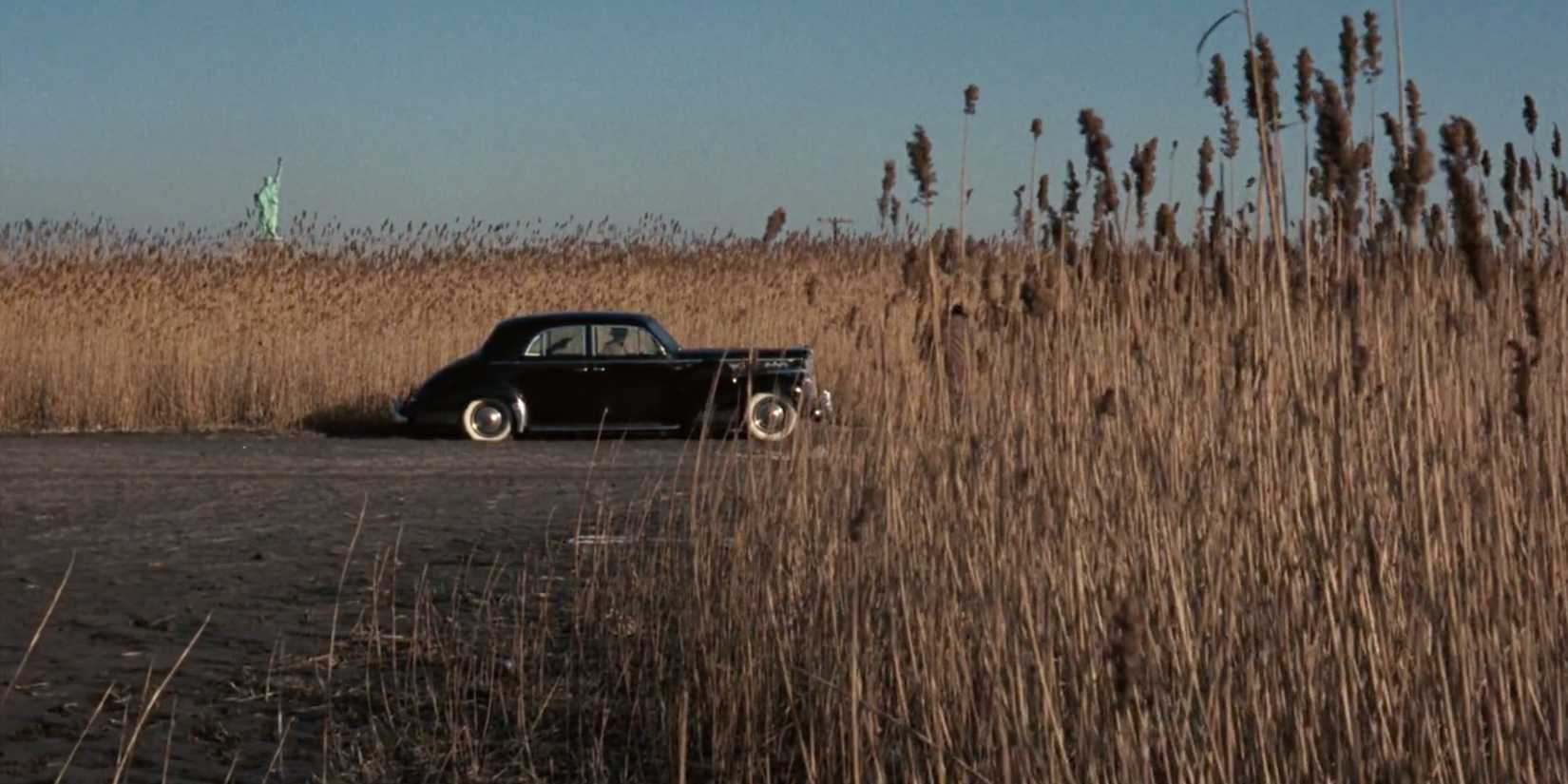
In another scene, Clemenza executes Paulie in the shadow of the Statue of Liberty. The viewer is left to question whether this American symbol is casting judgment upon the violence of the Corleone family or permitting it in an ironic corruption of the freedom it’s supposed to represent. Either way, the scene is set up like a parent watching their child do something it shouldn’t – will there be discipline, or will the child get away with it?
The Godfather Part II introduces Senator Geary, and through him, Coppola represents the political side of America. Michael successfully blackmails the senator into compliance, following in the footsteps of his father, who was known to hold the influence of judges and politicians in his pocket. In this light, America becomes the generous Godfather. Michael and Vito both benefit from the country’s corruption, reaping the rewards of the opportunities it presents.
Later, when a Senate committee attempts to bring Michael Corleone down in The Godfather Part II, it seems like America might finally bring its little tearaway under control, but Michael wriggles free. Still, Coppola leaves little doubt that for every sin the Corleones have committed, those attempting to punish them have committed three. Once again, there are echoes of a paternal relationship here. Father figures so often chastise their children for doing the very things they once did.
The Corleones are the spoiled, unruly children of The Godfather. America at once wields authority over them, but also nurtures and influences Vito and Michael, molding them into the men they become. Perhaps America should demand more respect from the Corleones, but with corruption rife inside its own house, it cannot do so without hypocrisy. From that perspective, America really is the Godfather of the Godfathers.
- Release Date
-
March 24, 1972
- Runtime
-
175 minutes