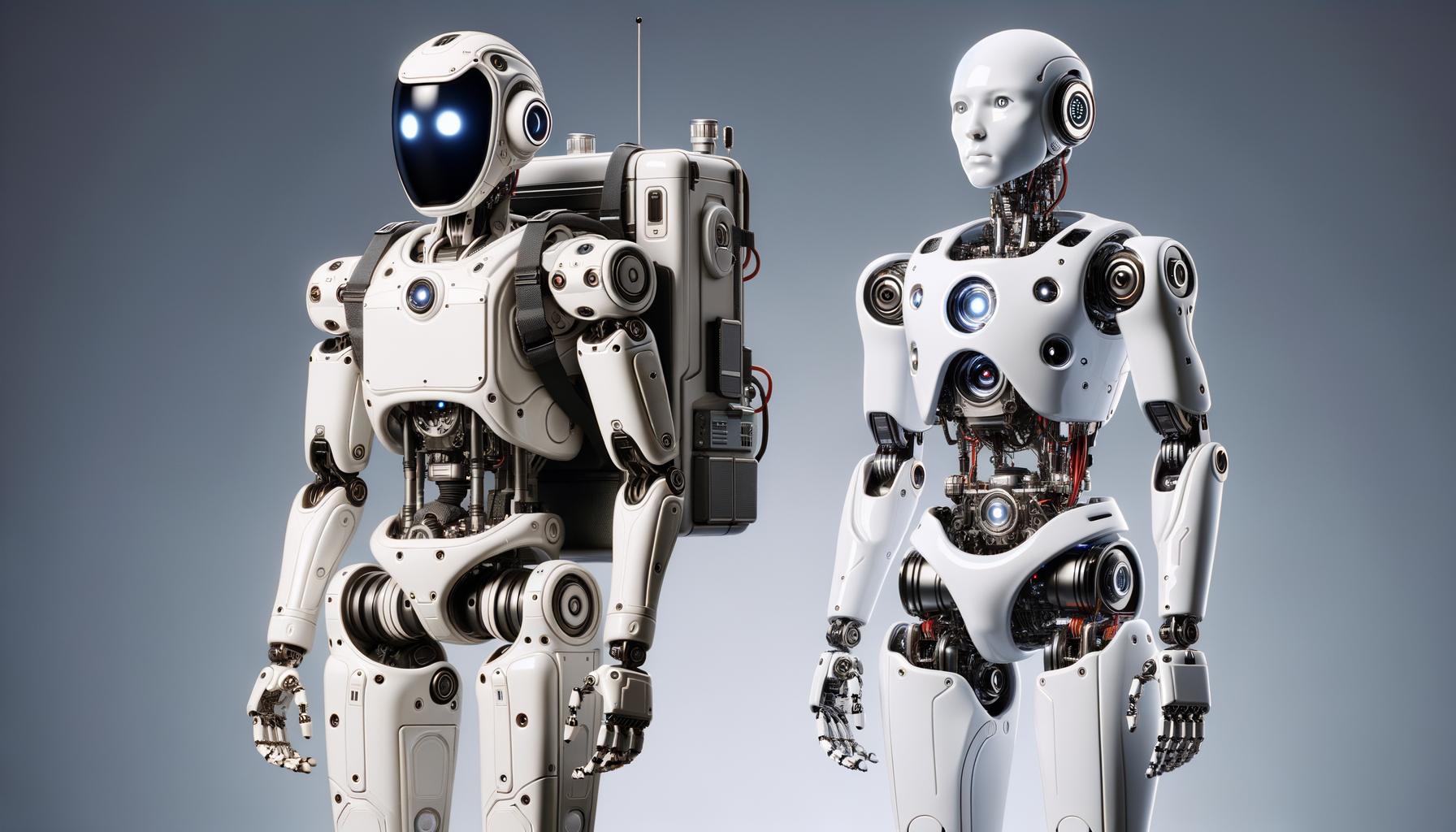
To call something a creature feature is basically to call that thing a monster movie, but creature feature does sound a bit cooler. They are indeed feature-length movies about one or more creatures, and for present purposes, if the creature is prominently featured, usually – but not always – in an antagonist role, and much of the film involves trying to survive or fight back against said creature, then it can count as a creature feature.
That’s not all movies with monsters, though. Pan’s Labyrinth, for example, might not necessarily be a creature feature, or maybe it is. It’s not been counted here, but maybe it should’ve been. Ah, well. With some other classics, omissions are inevitable, and probably would be even if one attempted to rank the 100 best creature features ever. There are so many good ones, quite a few great ones, and then a small selection (the following) that represent the best of the best, from the entire history of cinema.
10
‘Little Shop of Horrors’ (1986)
One of those remakes that improved on the original significantly, if it can be called a remake (more accurately, it was a film adaptation based on a stage musical based on a movie), but whatever. Little Shop of Horrors is fantastic, and it works as a monster movie, a comedy, and a surprisingly good musical all at once, with the monster here being a plant that grows rapidly while craving first blood, and then, eventually, human flesh.
As a horror movie, Little Shop of Horrors isn’t one of the scarier ones out there or anything, but it is one of the most creative, and it is one of the best (scariness isn’t the be-all-and-end-all when it comes to horror, though it does often help, of course). There’s just a lot that went into this one on a screenplay, songwriting, and technical front, and it’s frequently quite the marvel to watch.
9
‘Alien’ (1979)

An alien can be a creature, for present purposes, though maybe some will reject that notion the same way people sometimes argue about whether 28 Days Later is a zombie movie. Oh, well. Alien is about an alien, or at least the desperate attempts by a group of people on board a small spacecraft trying to survive the alien, which keeps growing in size and seems, at a point, to function like a perfect killing machine.
It turns out all you need is some great effects, a memorably confined setting, a few truly shocking moments, and then a whole heap of suspense and dread to make a great horror movie about an alien and some people and not much more. Okay, you do need more than that, but Alien had it all, and as far as horror movies that confidently tackle very straightforward premises go, few have done so with the brutal efficiency of this one.
8
‘Bride of Frankenstein’ (1935)

Frankenstein remains an undeniably popular story to adapt on screen, as can be demonstrated by 2025’s adaptation, directed by Guillermo del Toro, who’s far from the first to tackle it, and he’s also far from the first to tackle it well. In 1931, there was an adaptation of Frankenstein that proved to be a little loose, but succeeded in its own right and did a lot for how pop culture at large views Frankenstein’s creature.
It got an even better sequel in the form of Bride of Frankenstein, with two monsters playing a part in this one, and then some of the human characters sinking to new moral depths or doing further dangerous things (who is the real monster after all? And all that…). Bride of Frankenstein is clever, ahead of its time, and memorably creepy in ways that hold up pretty well. It’s a highlight of the whole classic Universal Monsters run of films, and still proves worth watching nine decades on from its original release.
7
‘Godzilla Minus One’ (2023)

When the Godzilla series gets goofy, it can indeed be wonderful (see Godzilla: Final Wars, for the best example), but there is also something special about the ones that take things a bit more seriously. Godzilla Minus One is up there among the more intense and dramatic Godzilla films, but it never sacrifices entertainment value or spectacle, and it would be a stretch to call it overly grim or depressing, too.
Godzilla Minus One cycles between feeling exciting, bittersweet, horrifying, and dread-inducing, all with a great deal of confidence.
It gets the balance right, just as a good many great creature features do, because Godzilla Minus One cycles between feeling exciting, bittersweet, horrifying, and dread-inducing, all with a great deal of confidence. It was absolutely one of the greatest movies of its year of release, and if those behind the non-American Japanese Godzilla movies want to keep going with this tone and try to top it (with Godzilla Minus… Two? Or Godzilla Plus One?), then they’ll surely have their work cut out for them.
6
‘The Thing’ (1982)
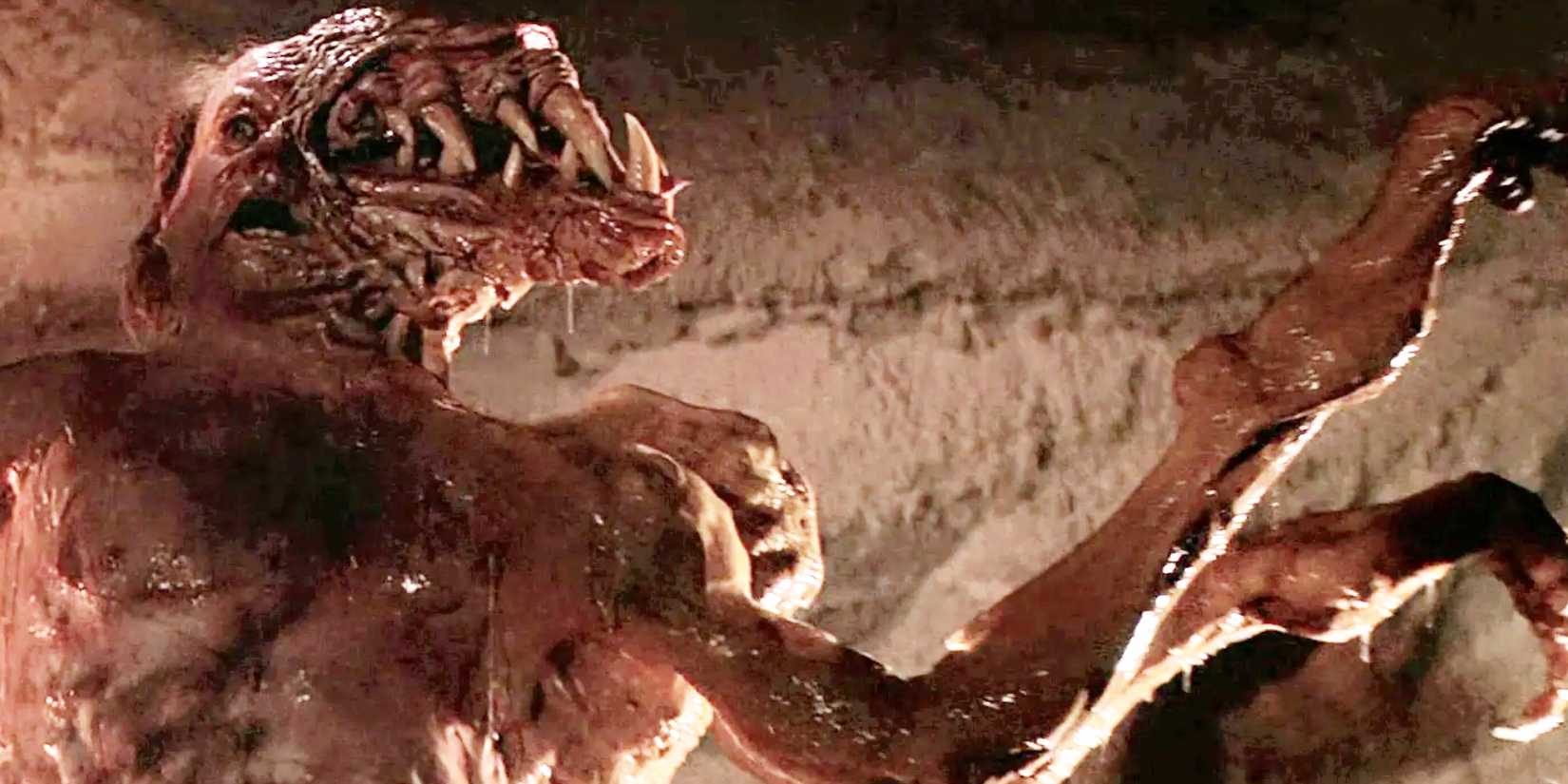
While The Thing can be compared to Alien in the sense that both are about surviving deadly alien life forms in a fairly confined setting, both films are pretty different when it comes to execution. The Thing is also something of a slow-burn, sure, but it’s more heavily about paranoia and suspicion than outright fear, though there is also a lot of fear going around.
The tension here comes from the fact that this particular alien can take on the appearance of other life forms it comes into contact with, so while there was a degree of trust among most human characters in Alien (emphasis on “human” characters), the main characters in The Thing struggle to know who they can trust, if anyone. When the monster does reveal itself, the effects are also horrifying and impressive in equal measure, and it’s a sci-fi movie that certainly earns its R-rating, too.
5
‘King Kong’ (1933)

Before Godzilla took the crown of “King of the Monsters,” there was King Kong, and maybe he’s got a claim to remain the king, since it’s in his name and everything, and also, he was a big monster on screen first. The original King Kong is easily one of the most important creature features in history, as it took the sort of thing the previously groundbreaking The Lost World did and made it all the more convincing where special effects were concerned, and there was more effort put into the story at hand, too.
Granted, King Kong (1933) does still tell a pretty simple story (as does its slightly bloated – though sometimes stunning – 2005 remake), but it’s a simple story about humanity vs. nature, with tragic consequences, played out well. King Kong is also thrilling to watch, knowing how old it is, and trying to imagine all the work that would’ve gone into bringing Kong and all the other creatures/monsters/dinosaurs (whatever you want to call them) to life.
4
‘Jaws’ (1975)
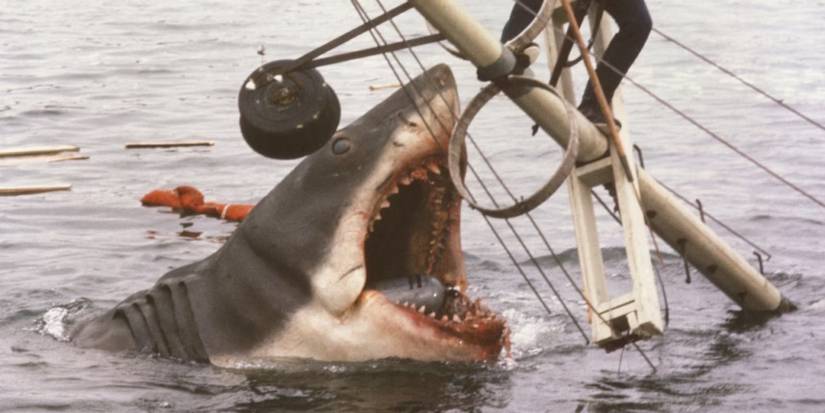
Jaws is one of those movies that makes filmmaking look easy, or at least kind of effortless. It hits all the beats it needs to, and escalates everything exceptionally well. You get an incident that kicks things off, a few more attacks, characters becoming increasingly desperate (while the viewer also gets to know them more as people), and then an eventual mission out to sea that takes up at least the final third of the movie.
It’s got its structure down as well as Seven Samurai, for a random comparison. Well, they’re both perfect movies with ideal pacing. And they do things that feel obvious, and yet so few films come even as close to being as satisfying and continually rewatchable – no matter how well you remember who lives, who dies, and when they perish – year after year. Jaws is the ultimate shark movie, and it’ll probably never be beaten in that regard, as it’s also just about as great as thrillers (especially those that cross over into the horror genre) have ever gotten.
3
‘Nosferatu’ (1922)

As it turns out, one of cinema’s very first monsters also happens to remain one of the scariest. That character is Count Orlok, and the movie is Nosferatu (1922), which has been remade and reinterpreted quite a bit over the decades. Also, Nosferatu itself was a spin on Dracula, albeit an unofficial one with – the filmmakers hoped, crossing their fingers – enough changes to make it okay.
Regardless of the legality of it all, cinema has benefited from this spin on vampire-related things, as vampires have rarely felt more monstrous or disturbing than Orlok in this particular version of Nosferatu. There isn’t really any charm or strong attempts to pass off as human here, with those things making most vampires ride the line between full-on monster and human. In Nosferatu, he’s pretty much just a monster (albeit a potentially tragic one, depending on your point of view), so calling this silent classic an all-timer of a creature feature feels appropriate.
2
‘Jurassic Park’ (1993)
Almost two decades after making the best and most exciting shark movie ever made, Steven Spielberg set his sights on doing much the same accomplishment-wise, but this time with dinosaur movies, and so he made Jurassic Park. The shark was big, and the dinosaurs were created by science here, so they count as creatures/monsters, rather than mere animals, for present purposes. Also, maybe it’s just good to have an excuse to talk about movies as great as Jaws and Jurassic Park.
This one is also phenomenally well-paced and, in time, ridiculously exciting, being about a small number of people who go to a theme park that’s soon to be opened, and home to resurrected dinosaurs, but then, inevitably, things go wrong. Jurassic Park is a perfect blockbuster, and you can tell as much because the non-dinosaur scenes are great and iconic in their own ways, and then all the stuff with the dinosaurs is just out of this world good. Everything’s in place, everything works, and on a technical front, just about everything in Jurassic Park still looks and sounds great 30+ years later. The movie may be about things falling apart, but judging the finished product as an objective piece of filmmaking/art, it, ironically enough, feels like absolutely nothing fell apart.
1
‘Godzilla’ (1954)
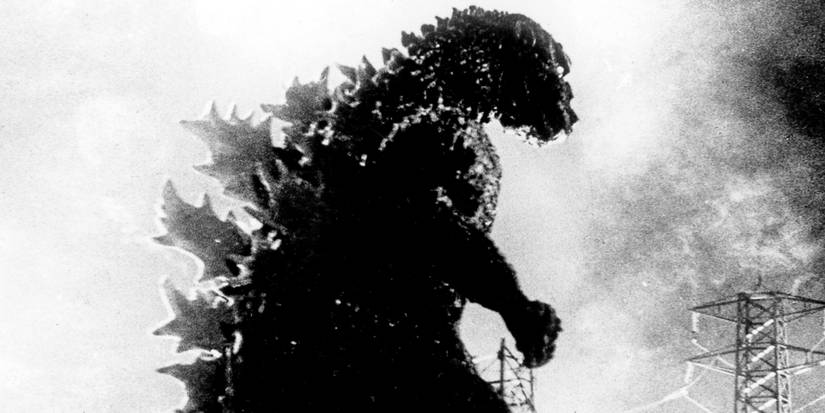
There have been several movies called Godzilla over the years, but the original, from 1954, is easily the best. In fact, within the series it started, there’s a pretty good argument to be made that it’s the highlight of them all. It’s about a monster devastating Japan not long after the devastation wrought by two atomic bombs being dropped on the country at the end of World War II, and the monster himself is meant to evoke the same kind of destruction and fear caused.
That makes Godzilla surprisingly thought-provoking for a giant monster movie, or maybe surprisingly thought-provoking if you’re more familiar with all the (generally goofier) sequels. Godzilla (1954) takes things seriously and feels more like a disaster movie than a sci-fi/action/horror one, and that’s what makes it all the more admirable and powerful so many decades later. It’s about as dark as the series has ever gotten, and possibly stands as the best of all the Godzilla films, more generally speaking, too.

Godzilla
- Release Date
-
November 3, 1954
- Runtime
-
96 minutes
- Director
-
Ishirō Honda
- Writers
-
Ishirō Honda, Shigeru Kayama, Takeo Murata, Tomoyuki Tanaka, Eiji Tsuburaya
-

Akira Takarada
Hideto Ogata
-
Momoko Kôchi
Emiko Yamane