Editor’s note: The below contains spoilers for The Lowdown.
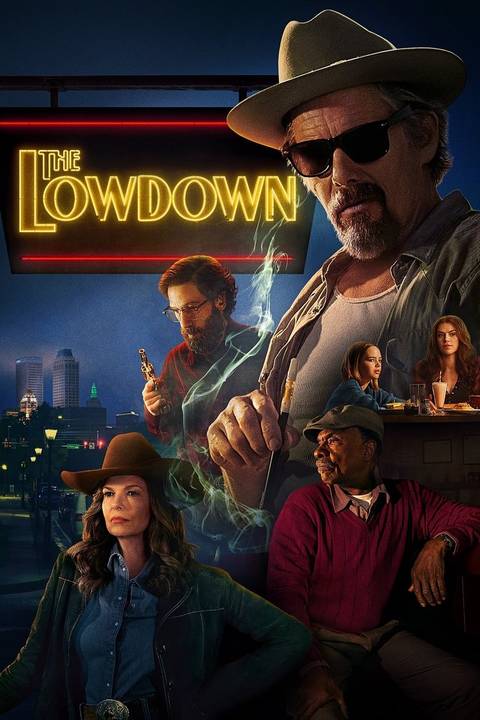
Sterlin Harjo‘s latest FX series, The Lowdown, follows a journalist named Lee Raybon (Ethan Hawke) as he digs into a powerful, wealthy family in Tulsa, Oklahoma. Lee fancies himself a “truthstorian,” which means that he isn’t afraid to research dangerous people, like the Washburgs, in his quest for the truth. The hapless Lee gets himself into all kinds of trouble, and the series does feature a lot of silly moments. However, The Lowdown is no light-hearted romp, but rather a neo-noir drama that explores some of the darkest moments in American history that have often gone underreported.
‘The Lowdown’ Touches on Tulsa’s Tragic History
In Lee’s research, he discovers that the history of Tulsa includes a traumatic event called the Trail of Tears. This name was given to the period of forced relocation of Southeast Indigenous tribes during the 1830s to Indian Territory west of the Mississippi. Some records estimate that more than 100,000 Indigenous people were forced from their homes, and more than 15,000 people died during their trek. The Cherokee tribe was one of the most affected by this tragedy, as well as the Seminole tribe, which Harjo is a member of. But Harjo doesn’t include a mention of the Trail of Tears in The Lowdown merely to remark upon the horrific event. He noted in an interview with Variety that “those tribes rebuilt, and those tribes are thriving now. So as much as it is a story touching on darkness, it’s also, you see survival in Oklahoma and in Tulsa.”
Unfortunately, it’s not as though white people stopped persecuting people of color after the Trail of Tears ended. Tulsa was also home to one of the worst incidents of racial violence in U.S. history, called the Tulsa Race Massacre. In 1921, a white mob of Tulsa residents attacked black residents, homes, and businesses, causing complete destruction and death. The incident started with rumors that a Black teenager had sexually assaulted a young white woman (although there was never evidence of this occurring, and the charges against him were later dismissed). An angry white mob ended up taking over and wreaking havoc across the city. By the end of their siege, they had burned down more than 35 city blocks. Tragically, more than 300 people died, and over 800 people were treated for injuries. The once prosperous neighborhood, which had been known as Black Wall Street, was completely incinerated. As horrific as this massacre was, it was largely unreported on at the time, and many Americans never learned about this significant event in school. In The Lowdown, Lee learns that prior generations of the Washburg family probably played some part in the massacre or at least benefited from Black people losing their businesses and homes.
Systemic Racism Is Still Affecting People Today, As Seen in ‘The Lowdown’
It would be wonderful to say that these events are so far in the past that they don’t affect Oklahomans anymore. But The Lowdown is helping to demonstrate howthe effects of systemic racism are still wounding the people of Tulsa today. In Episode 1, Lee confronts several wealthy white men over their strategy to go around buying up land that people of color owned. This plan effectively prices out Black and Indigenous-owned homes and businesses in a clear goal of gentrification. There is no clearer example of covert racism and discrimination than the scene with Lee sitting down with a homogeneous group of rich white guys who are slyly plotting to turn Tulsa into a city devoid of minorities. Lee is trying to bring these schemes to light with his reporting, but these people hold perhaps just as much power as they did during the Trail of Tears and the Tulsa Race Massacre. It might be more subtle, but it’s every bit as dangerous.
The Lowdown doesn’t need to spend a lot of time explaining these events for it to be an underlying theme in the series. There are also characters introduced that help us understand the race dynamics of Tulsa right now. In the beginning of the season, Lee becomes mixed up with two Neo-Nazis who don’t like what he reported about them. These two men demonstrate how deep white supremacy runs in this city. These white characters are not wealthy by any means, but they still find some satisfaction in placing themselves above people of color. This is a sentiment that led to both of these past historical events. Another example of characters being utilized to describe race relations is the two Indigenous characters in The Lowdown. They both talk about being in prison, which illustrates how the subjugation of the Native population over many generations has contributed to increased incarceration of Indigenous people.
These Historical Topics Make ‘The Lowdown’ Much More Authentic

By exploring these dark moments in U.S. history, The Lowdown provides viewers with a backdrop that is based in hauntingly accurate realism. The discriminatory and murderous practices that were instituted hundreds of years ago have left a stain on Oklahoma. Someone like Dale Washburg (Kyle MacLachlan) has the power to rise to the top to run for governor. He’s definitely someone who doesn’t mind working a system that would lift him and his family, even if it means pushing people of color even further down the ladder. Including snippets about these historical events not only helps these characters feel more realistic, but it also adds a greater authenticity to The Lowdown that makes each episode all the more compelling to watch.
There are several more episodes left in this season of The Lowdown, and it’s anyone’s guess what other trouble Lee will find himself in. As he digs deeper into the Washburg family and their history in Tulsa, Lee is bound to discover even more connections to the darker side of the city’s past. But Harjo explained that diving into this somber history is also beneficial to the community. He said, “That truth and being honest with your past is healing, and it brings a community back together and wakes people up. You’re seeing that happen now. There’s still a long way to go, but it’s happening.” This hopeful attitude is what helps balance The Lowdown. Just like the series, we can look back at our country’s tragic past as long as we pay attention to how it’s affecting our future.
The Lowdown airs Tuesday nights on FX, and episodes are available to stream on Hulu in the U.S.
- Release Date
-
September 23, 2025
- Directors
-
Sterlin Harjo
- Writers
-
Duffy Boudreau, Scott Teems, Sneha Koorse