In the last decade, arguably no studio has done more to redefine the possibilities of horror than A24. Where traditional Hollywood leaned on cheap scares and predictable formulas, A24 carved out a space that was patient, unsettling, and deeply artistic.
The following ten films stand at the top of the company’s already legendary horror catalog. They cover a range of subgenres and tones, but all are uncompromising and unforgettable. Together, they chart the rise of a new era of horror and make one excited for what classics the studio will produce in the years to come.
10
‘The Blackcoat’s Daughter’ (2015)
“I’m just sad you’ll miss my performance.” While not as good as his subsequent efforts, Oz Perkins‘ feature directorial debut is better than its critics make out. This slow-burn chiller was crucial in establishing A24’s reputation for atmospheric, cerebral horror (though it admittedly does have a few flaws). Set in a Catholic boarding school during winter break, The Blackcoat’s Daughter follows two stranded girls (played by Emma Roberts and Kiernan Shipka) as they begin to unravel under an unseen presence.
The icy cinematography mirrors the characters’ isolation, while the creeping dread builds with unnerving patience. Perkins avoids cheap scares, instead cultivating paranoia and unease until the supernatural elements fully reveal themselves. It’s an impressive fusion of occult terror and psychological trauma. Shipka, in particular, deserves praise for her restrained performance, embodying possession with eerie subtlety rather than overt spectacle. All in all, a solid movie that squeezes a lot into a lean 93 minutes.
9
‘It Comes at Night’ (2017)

“I’m going to try and help you and your family.” It Comes at Night is a claustrophobic nightmare of paranoia and survival. Set after an unspecified apocalyptic event, it focuses on two families sharing a remote house in the woods, desperately trying to protect themselves from a mysterious illness. While the “it” of the title remains ambiguous, the real horror is human fear, suspicion, and the breakdown of trust. Director Trey Edward Shults builds dread through atmosphere and suggestion, refusing to give audiences easy answers or visible monsters.
The dimly lit interiors, punctuated by oil lamps and long silences, heighten the suffocating tension. These are minimalist elements wielded economically. Schults is helped by a down-for-anything cast, who significantly improve the material. Joel Edgerton, Carmen Ejogo, and Kelvin Harrison Jr. deliver powerhouse performances, grounding the story in human desperation. Years later, the movie’s vision of a tense world where objective facts lose all meaning is now uncomfortably familiar.
8
‘X’ (2022)

“To livin’ a life of excess, being young and having fun, till the day we die.” Ti West‘s X is both homage and reinvention, a film that resurrects the gritty, sunburnt aesthetic of 1970s slashers while layering it with modern subtext. The plot revolves around a group of young filmmakers renting a farmhouse to shoot an adult film, who soon are the victims of grotesque violence at the hands of its elderly hosts. In this regard, X begins as cheeky genre play before unraveling into full-on mayhem.
What sets it apart is its blend of sleaze, artistry, and meta-commentary on age, desire, and exploitation. A key part of this success is thanks to Mia Goth. Her dual performance as both the youthful Maxine and the elderly Pearl is astonishing, bridging the thematic core of the film: the terror of aging and the hunger for vitality. On the aesthetic side, West’s patient build-up, neon-slick cinematography, and sudden bursts of brutality tie everything together.
7
‘Saint Maud’ (2020)
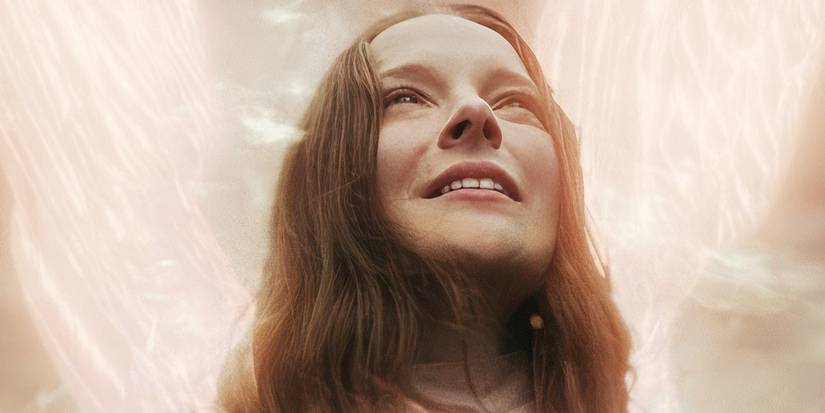
“Never waste your pain.” Rose Glass‘ Saint Maud is an unsettling descent into religious mania and psychological collapse, easily one of the best horror debuts this century. Morfydd Clark (of Rings of Power fame) delivers a tour-de-force performance as the title character, a deeply devout hospice nurse who becomes obsessed with saving the soul of her dying patient. Her performance is brilliant (much better than her turn as the elvish warrior), shifting between meek vulnerability and terrifying conviction.
On the storytelling side, Glass frames Maud’s small, dreary world with eerie precision, blending realism with calibrated explosions of visionary horror. The film’s terrifying power lies in its ambiguity: are Maud’s experiences divine revelations or the manifestations of untreated mental illness? By its shocking final shot, the answer feels both inevitable and devastating. It’s a phenomenal final frame, single-handedly ensuring Saint Maud‘s place in the horror canon. A reminder that the scariest monsters often dwell in the mind. And perhaps the soul.
6
‘Green Room’ (2015)

“You can’t keep us here, you gotta let us go.” Green Room is a brutally efficient thriller that turns a punk rock gig into a blood-soaked siege. When a band accidentally witnesses a murder in a neo-Nazi club, they’re trapped backstage and forced to fight for their lives against a ruthless gang led by a chilling Patrick Stewart. Opposite him, Anton Yelchin gives one of his most memorable performances as a reluctant hero in way over his head, while Imogen Poots adds grit and unpredictability.
The movie hits hard with its realism. The violence is messy, clumsy, and painfully believable, with none of the gloss of Hollywood action. On top of that, director Jeremy Saulnier uses confined spaces and shocking gore to keep audiences on edge. Still, most of the tension comes from the sense of doom and inevitability, of cruelly stacked odds. The characters are outnumbered, outgunned, and cornered.
5
‘Talk to Me’ (2023)

“Did the hand thing scare you?” Danny and Michael Philippou‘s Talk to Mewas another striking and energetic debut that caused a big sensation. In this startling reinvention of possession horror, a group of teenagers discovers a ceramic hand that allows them to communicate with the dead. What begins as a party trick spirals into a nightmare of addiction, grief, and blurred boundaries between the living and the dead. It’s a clever update of supernatural horror tropes for the TikTok era.
The scares are relentless but never cheap, combining bone-crunching intensity with emotional resonance. Beneath its inventive premise lies a story about grief, loneliness, and the dangers of seeking escape in the wrong places. Sophie Wilde gives a breakout performance as Mia, whose desperation to contact her late mother leads her down a path of self-destruction. The directors clearly have more where that came from, as their sophomore effort, Bring Her Back with Sally Hawkins, is also fantastic.
4
‘The Lighthouse’ (2019)
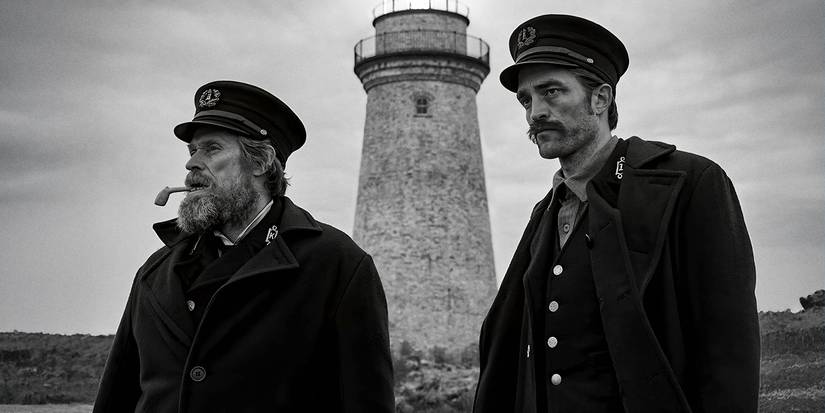
“Yer fond of me lobster aint’ ye?” The Lighthouse is sheer madness filmed in black and white. This Robert Eggers banger blends maritime folklore with psychological horror, ably building on the oddball premise of two lighthouse keepers slowly unraveling during their isolated watch. Willem Dafoe‘s salty sea-dog monologues and Robert Pattinson‘s descent into delirium form a two-man chamber piece of paranoia, violence, and repressed desire.
The aesthetics complement the subject matter. Shot in a square aspect ratio with vintage lenses, the movie feels like a lost artifact dredged up from cinema’s past. Eggers fills every frame with atmosphere, the pounding waves, howling wind, and shrieking gulls becoming characters in themselves. This surreal, nightmarish imagery lingers long after viewing, culminating in a finale that feels both mythic and grotesque. In the end, the film resists easy categorization: is it supernatural horror, myth, or psychological breakdown? The answer is all of the above. It’s A24 horror at its most daring.
3
‘Midsommar’ (2019)
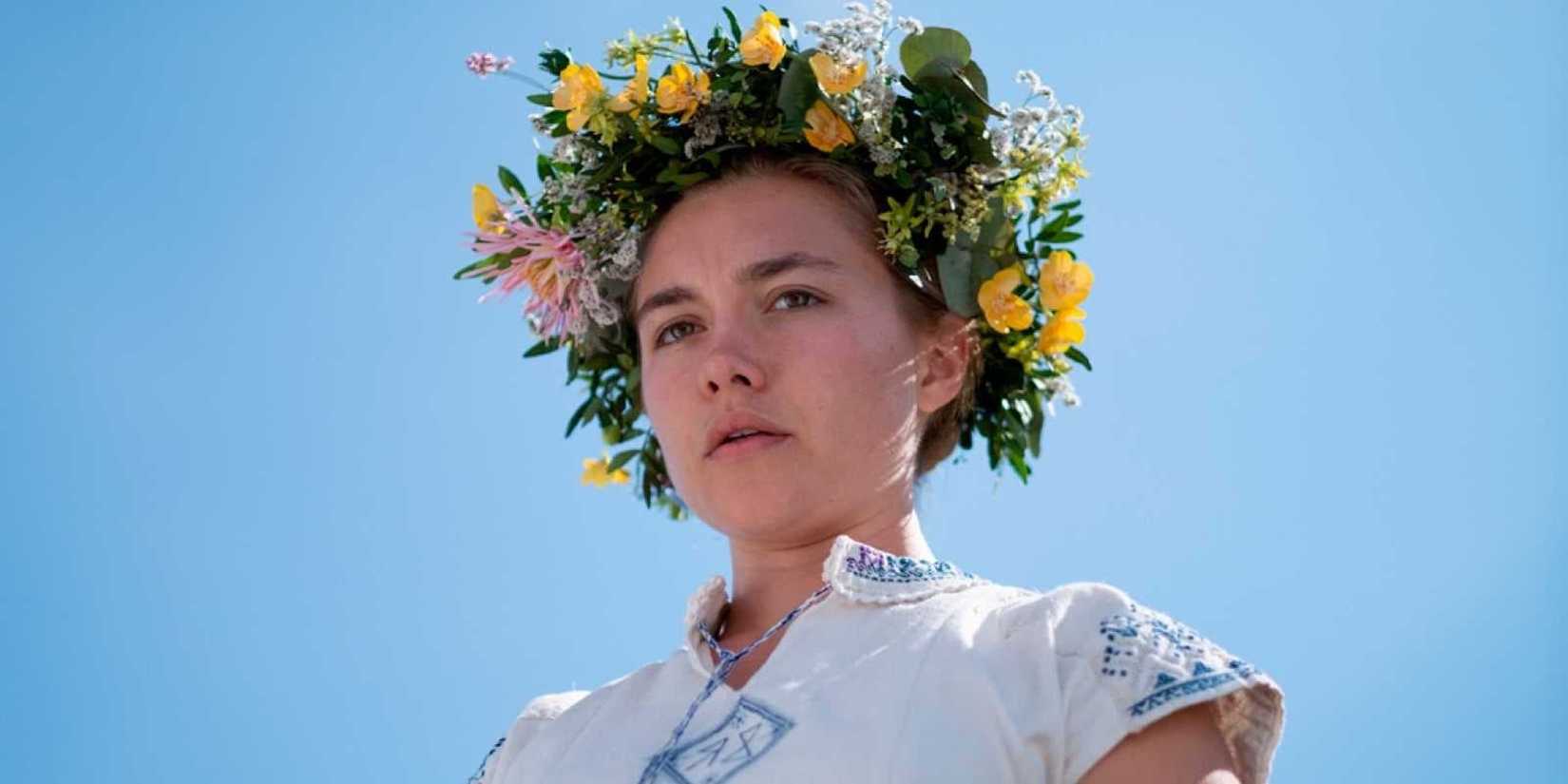
“We think of life like the seasons.” Midsommar is a sun-drenched nightmare, a folk-horror tale that turns grief into ritual and community into cult. In this regard, it’s a worthy heir to The Wicker Man. At the heart of it, Florence Pugh delivers a career-defining performance as Dani, a young woman reeling from tragedy who joins her boyfriend and his friends on a trip to a remote Swedish commune. But this innocent cultural sojourn unravels into ritualistic horror, as the group becomes ensnared in ceremonies that grow increasingly disturbing.
Pugh’s arc, from devastated outsider to crowned May Queen, is one of horror’s most chilling transformations. Through her, the movie comments on grief, toxic relationships, and the human longing for belonging, no matter the cost. Ari Aster handles the material with painterly precision, using daylight and lush natural beauty to craft terror without shadows. The result is a horror that’s visually stunning, thematically rich, and psychologically devastating.
2
‘The Witch’ (2015)
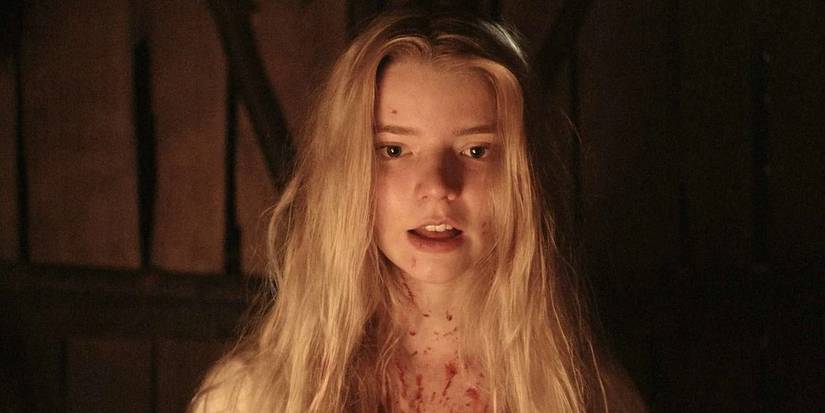
“Black Phillip, I conjure thee to speak to me.” The Witch announced Eggers as a bold new voice in horror and, a decade later, it’s aged remarkably well. Set in 1630s New England, the film follows a Puritan family exiled to the wilderness, where paranoia, superstition, and supernatural evil converge. Eggers grounds the horror in historical authenticity, using naturalism and period-accurate language to immerse audiences in a world where fear of the Devil was palpable. The performers deliver, too. Anya Taylor-Joy, in her breakout role, perfectly embodies the tension between innocence and awakening power.
The film builds slowly, creating unease through isolation, eerie soundscapes, and creeping suggestion, before culminating in one of the most iconic final scenes in modern horror: a whispered invitation to “live deliciously.” Never have goats seemed so creepy. All this adds up to a work of folk horror and of feminist allegory, exploring repression, religious hysteria, and liberation without scrimping on the frights.
1
‘Hereditary’ (2018)
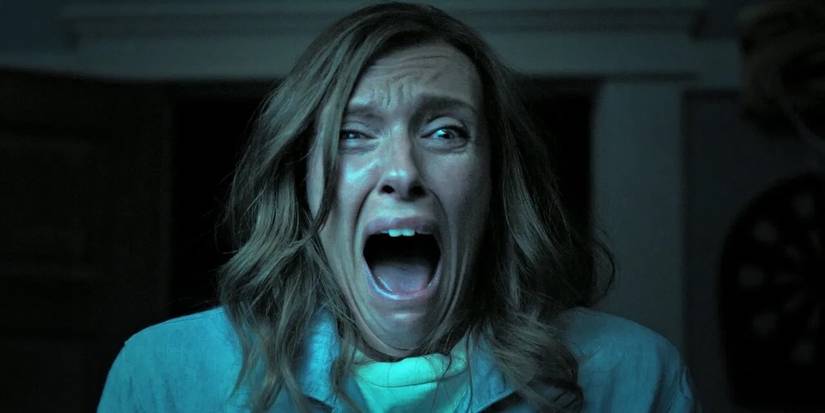
“I never wanted to be your mother.” Only one movie was ever going to claim the top spot on this list. Hereditary is a towering achievement in modern horror, one so accomplished that even Ari Aster himself hasn’t equaled it since. By combining masterful horror with believable drama, he transformed a family tragedy into a supernatural nightmare. The story begins with grief and trauma and slowly mutates into occult terror, with Aster carefully layering dread until the shocking final act.
There are countless fantastic elements on offer here, but the secret weapon is Toni Collette. She delivers a blistering performance (that really should have been Oscar-nominated) as a grieving mother whose family collapses after the death of her secretive mother. Her infamous dinner-table monologue remains one of the most powerful scenes in horror history, a raw outpouring of rage and despair. Just an absolute masterpiece all around, the apex of A24.