Above all else, the most inspiring quality about the release of Freakier Friday, the sequel to the beloved modern Disney classic, Freaky Friday (a remake of a 1976 film starring Jodie Foster), is that Lindsay Lohanis back making movies after years of bad press and legal issues. After mounting a slow and steady return to acting by starring in various projects for Netflix, Lohan’s comeback tour is capped by reuniting with Jamie Lee Curtis after 22 years for a sequel to one of her signature films.
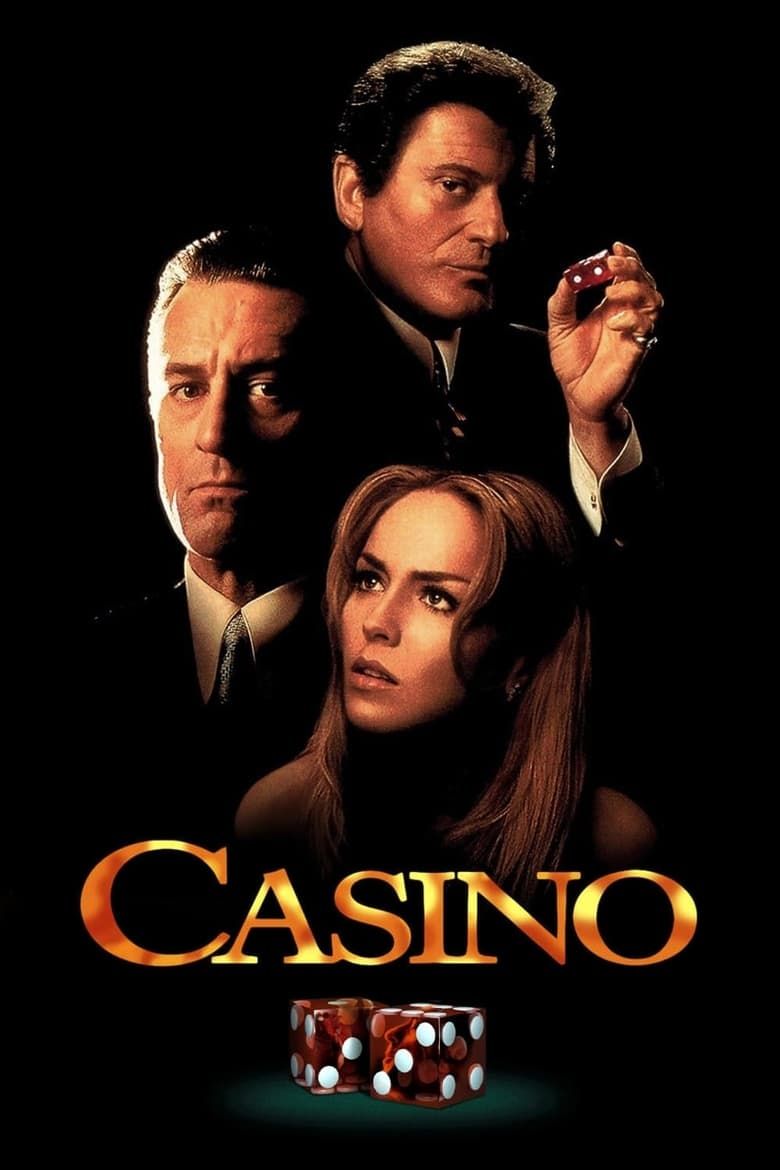
As a tabloid figure, it was easy for the public to dismiss Lohan and her credentials as an actor with taste. During her press tour for Freakier Friday, which opens in theaters on August 8, she sang the praises of Sharon Stone, another notable female star of the past, for her spellbinding performance in Casino, Martin Scorsese’s crime epic that landed Stone her lone Oscar nomination.
Lindsay Lohan Praises Sharon Stone’s Performance in ‘Casino’
If you’re a figure in the film world, be prepared to reveal your Top 4 favorite films for Letterboxd. The social media platform for cinephiles has made it a tradition to ask actors, directors, and other filmmakers to give their essential recommendations on the red carpet and press junket. “I know all about this!” the veteran Jamie Lee Curtis remarked to Letterboxd. The question is a seamless way to prompt actors promoting their movie to engage in the discussions users on Letterboxd have 24/7 and explore the influences that shaped their careers and the respective projects being promoted.
“I have more than four,” Lindsay Lohan said, disappointed that she would have to leave off some great films. To many’s surprise, Lohan’s second pick was Casino, where she singled out Sharon Stone’s transfixing performance as Ginger, the Las Vegas hustler who marries the mob-connected casino manager Sam “Ace” Rothstein (Robert De Niro) and falls from grace due to her greed and substance abuse. Lohan admired “the way that she commands the room when she comes into the scene,” as well as the film’s entire wardrobe aesthetic, particularly De Niro’s pink suit worn before he is nearly blown to smithereens by the car bomb.
Sharon Stone, like Lohan, became less known for her acting prowess as her career progressed. Best known for her iconic modern rendition of a noir femme fatale in Basic Instinct, Stone’s cultural legacy was synonymous with being a wild and outlandish sex symbol, archetypes that the industry quickly sets aside, leaving them to become fodder for tabloids and the Golden Raspberries. The only time she ever got her due as a dramatic actor came in Casino, where she elevated the rudimentary wife part in crime movies. Ginger represents the volatile arc of a high-powered player in Las Vegas during the ’70s and ’80s. The highs provide a level of euphoria unmatched by any drug, but the lows will tear you out from the inside.
Stone’s style of performance, full of hostile outbursts, often attracts attention from the Academy, but Ginger proves to be much more than a secondary figure in this crime epic. As much as Ace Rothstein carries himself as an unflappable, calculating business executive and hard-nosed former gambler who breaks everything down to numbers and statistics, he cannot withstand Ginger’s alluring magnetism, and he throws everything away to please her, even if she drives him mad. She is both an enabler of the city’s sinful, hedonistic quality and a tragic figure who was never meant to become a catalyst for the mob’s rapid downfall in Vegas.
‘Casino’ is an Updated Take on the Gangster Genre for Martin Scorsese
Casino deserves all the praise it can get, especially when, for all these years, it’s been dismissed as just a knockoff of Goodfellas. While the similarities are evident, Martin Scorsese’s 1995 mob saga, about the intersection of capitalism and organized crime and the last hurrah of the “old school” gangster amid the corporate takeover of Las Vegas, is a singular achievement that is arguably more ambitious, probing, and mesmerizing than its companion film. The mobster archetype, previously embodied by Robert De Niro and Joe Pesci in Goodfellas, is much less romanticized in Casino, as they feel more like pawns controlled by their capitalist-minded bosses. They carry themselves as if they are aware of their fatalistic outcome and the inevitable temptations of greed and power.
Sharon Stone’s revelatory work in Casino was one of a kind, and we don’t blame Lindsay Lohan for being obsessed with this performance. For anyone who questions Martin Scorsese’s ability to direct riveting, three-dimensional characters, look no further than Ginger McKenna, a mob wife with the autonomy and firebrand personality of one of his gangsters.