A truly unforgettable scene doesn’t just drive the plot; it swallows you whole, stretches time, and pulls you into its emotional or thematic gravity, and sometimes, that means going well beyond the average scene length. The ten scenes on this list, each five minutes or longer, represent some of the most masterful, bold, and gripping storytelling in film history.
Whether it’s a relentless war sequence, a slow-burning interrogation, or a single unbroken shot that redefines what filmmaking can be, these extended scenes prove that when the craft is right, five minutes can feel like an eternity, or not nearly enough. In fact, you might not even notice the time passing, and in some cases, you might actually wish that they lasted longer.
10
‘Blue is the Warmest Colour’ (2013)
The Parisian Apartment Scene
“I have infinite tenderness for you.” This tender, emotionally volatile scene captures the raw dissolution of a relationship between two young women (Léa Seydoux and Adèle Exarchopoulos) who once shared a fierce, all-consuming love. Shot with excruciating intimacy, the camera lingers on their faces as they hurl accusations, tearfully relive old wounds, and try to find some emotional purchase amid the wreckage. It’s a masterclass in sustained dramatic tension, where every pause, every shift in body language, speaks volumes.
The scene is unflinchingly realistic, too, so much so that it often feels more like a documentary than fiction. Few cinematic breakups have ever felt this personal, prolonged, or unbearably honest. The sequence is a brutally long goodbye stretched across five devastating minutes, and was a key reason why this movie took home the Palme d’Or. Some viewers found the sex scenes too explicit, even exploitative, but they’re wrong; everything here is in service to the story, and the movie as a whole has aged well.
9
‘The Dark Knight’ (2008)
The Interrogation
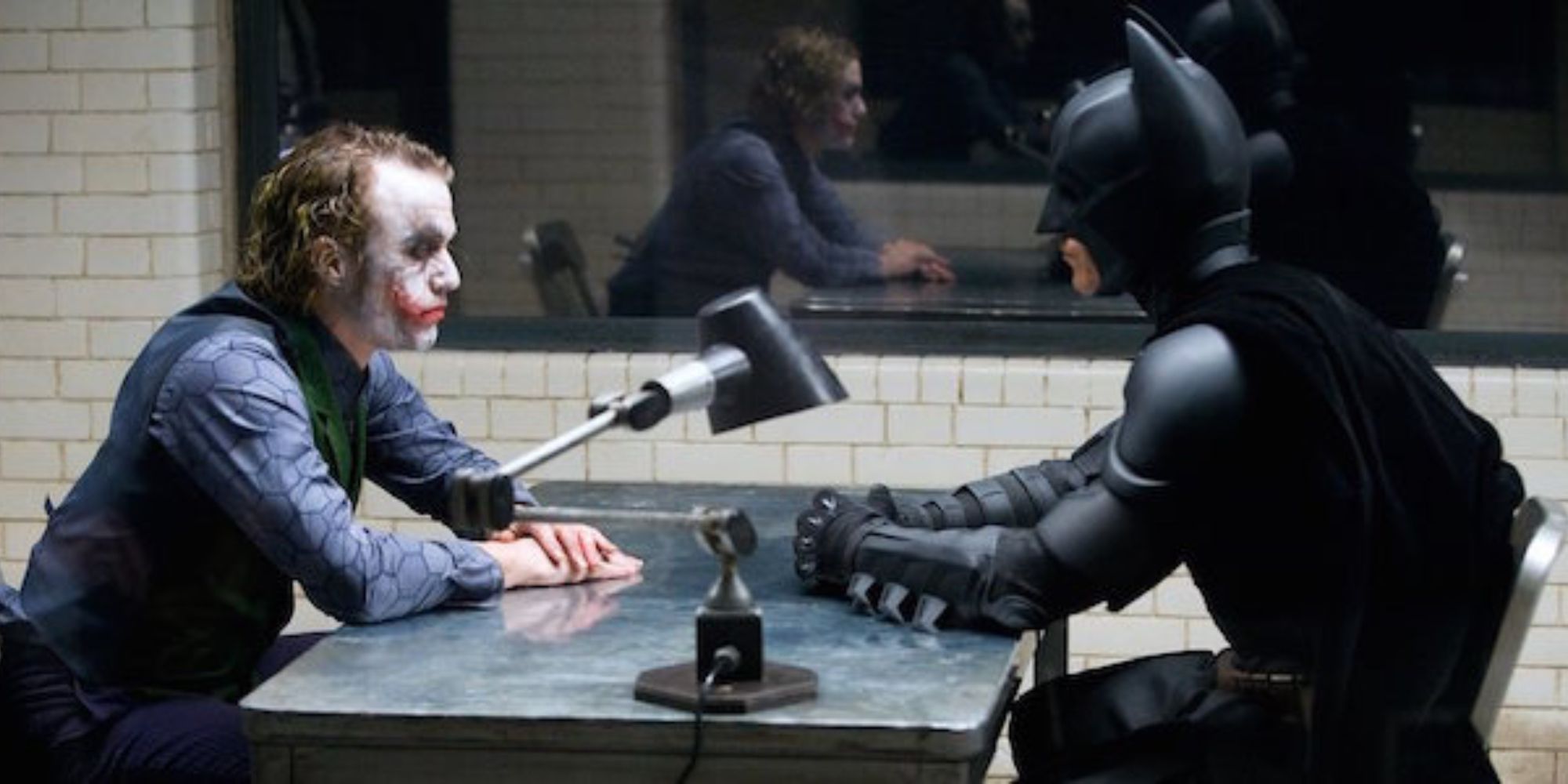
“You have nothing, nothing to threaten me with.” This scene is the moral and thematic core of The Dark Knight. In a stark, fluorescent-lit room, Batman (Christian Bale) confronts the Joker (Heath Ledger), trying to beat information out of him while slowly realizing that brute force is meaningless against true chaos. Ledger delivers a performance for the ages, turning every word into a psychological chess move and every silence into a trap.
It’s a masterfully choreographed conversation. The pacing is deliberate, the stakes escalate by the second, and the power dynamic flips repeatedly. What begins as intimidation ends as a revelation: Batman can’t win this game. This moment is where the Joker’s philosophy (about how society is just one bad day away from madness) takes root, and the darkness of Gotham becomes unshakeable. The final blow from the Joker is his spitting out Rachel’s (Maggie Gyllenhaal) address, an indication that this villain has no limits.
8
‘Chernobyl’ (2019)
The Reactor Room Confession
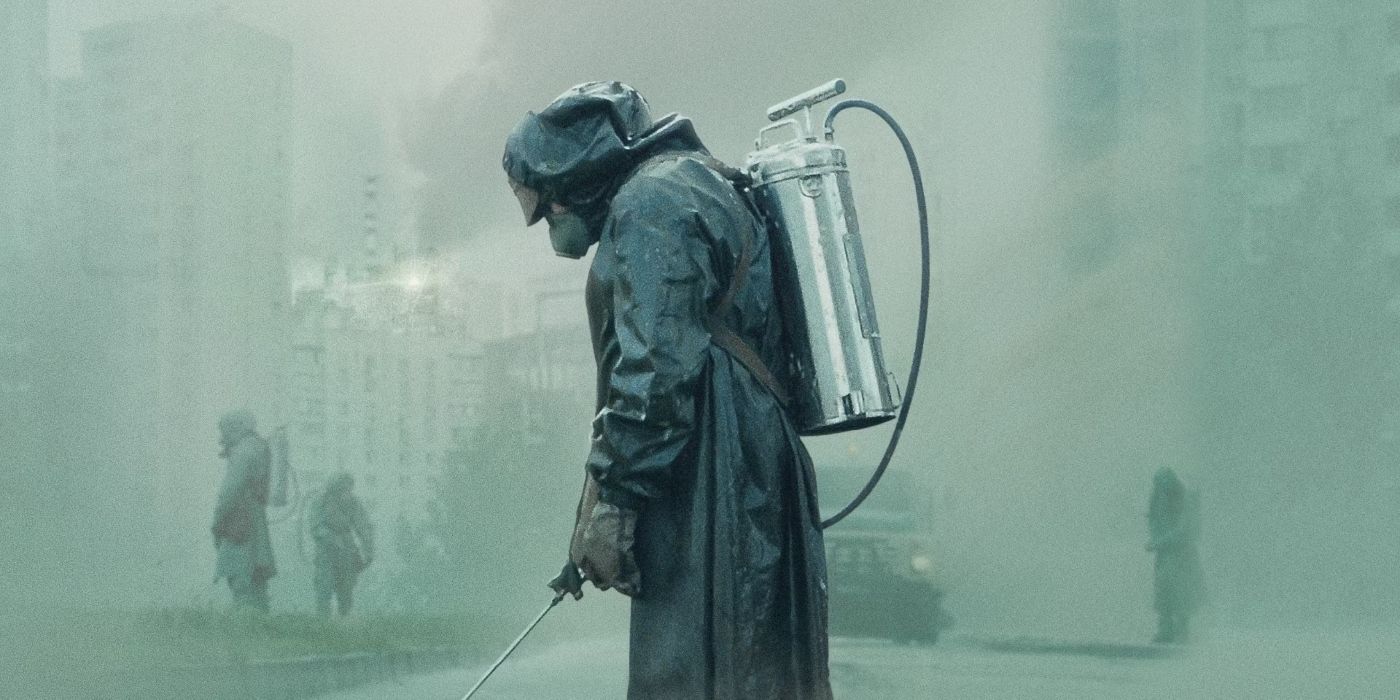
“Every lie we tell incurs a debt to the truth. Sooner or later, that debt is paid.” In the finale of HBO’s Chernobyl, Valery Legasov (Jared Harris) recounts the series of fatal decisions that led to the worst nuclear disaster in history. Standing before a tribunal, he uses a chalkboard and a soft, measured voice to lay bare the human error, bureaucratic rot, and state-sponsored denial that doomed so many. The scene lasts well beyond five minutes, but not a second is wasted.
This is a courtroom monologue that becomes an existential reckoning. Both the acting and the writing are killer. Harris delivers Legasov’s confession with weary resolve, gradually pulling the audience into a devastating moral argument about science, responsibility, and the price of lies. These themes are eternally relevant, a sharp warning about what happens when those in power bury the truth at any cost. There’s also a small spark of hope in the monologue, suggesting that all lies will be exposed. Eventually.
7
‘Heat’ (1995)
The Café Conversation
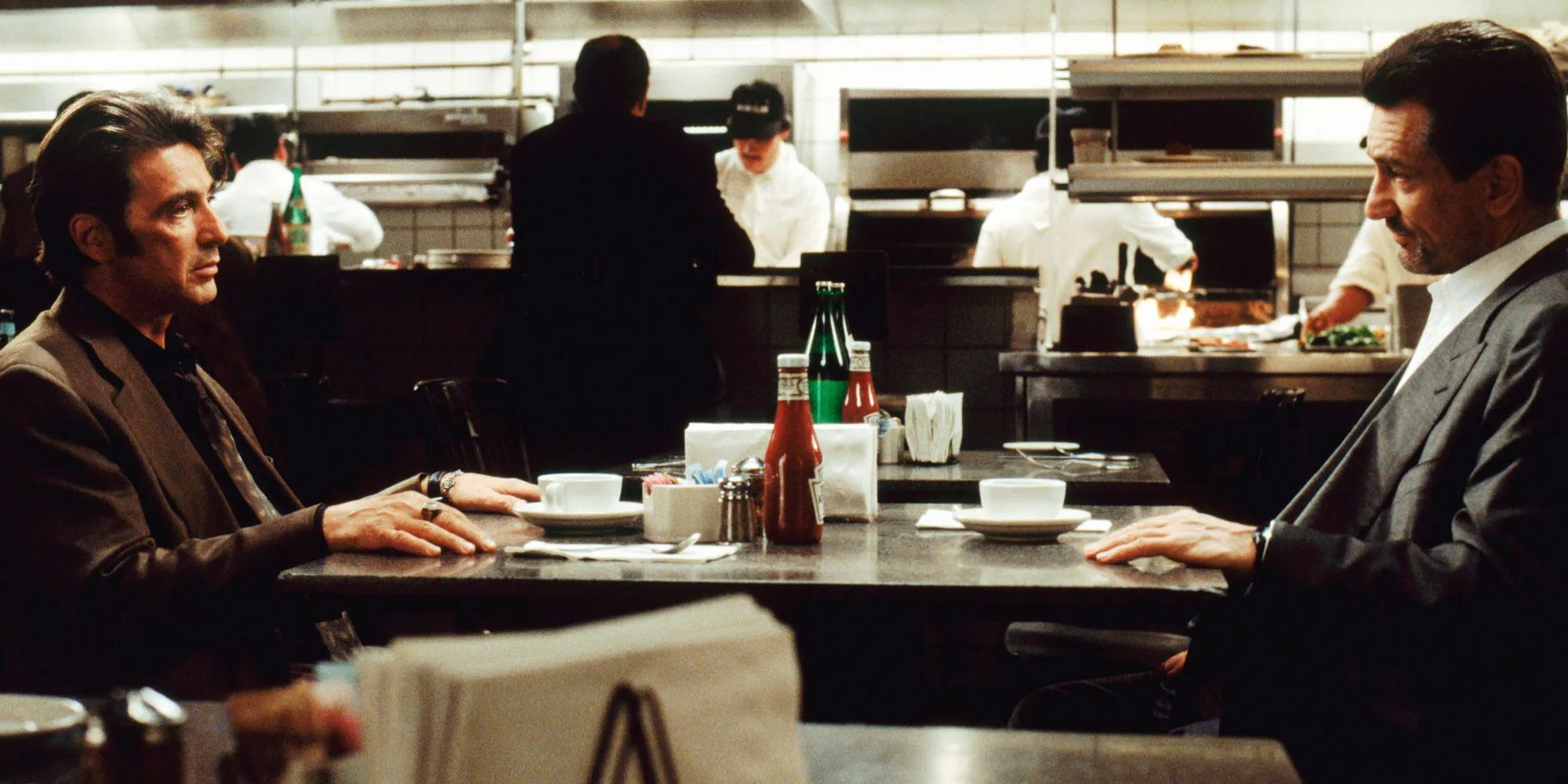
“I do what I do best: I take scores. You do what you do best: try to stop guys like me.” Two men, seated across from one another in a diner. One’s a detective, the other a master thief. In another movie, they’d be exchanging punches or lame one-liners; here, they exchange philosophies. This scene is electric because it’s so calm;a moment of eerie, mutual respect between two professionals who know their fates are intertwined. Al Pacino and Robert De Niro, acting together for the first time, hold the screen with a quiet gravity.
Over the scene’s seven minutes, they articulate their codes of honor, fatalism, and refusal to back down. There’s no shouting, no threats — none is necessary. This conversation isn’t a break from the tension of Heat; it is the tension. The entire film pivots on this conversation, and its length allows it to breathe and simmer. It’s two men staring into their moral reflections, knowing the collision is coming.
6
‘Saving Private Ryan’ (1998)
The Omaha Beach Landing
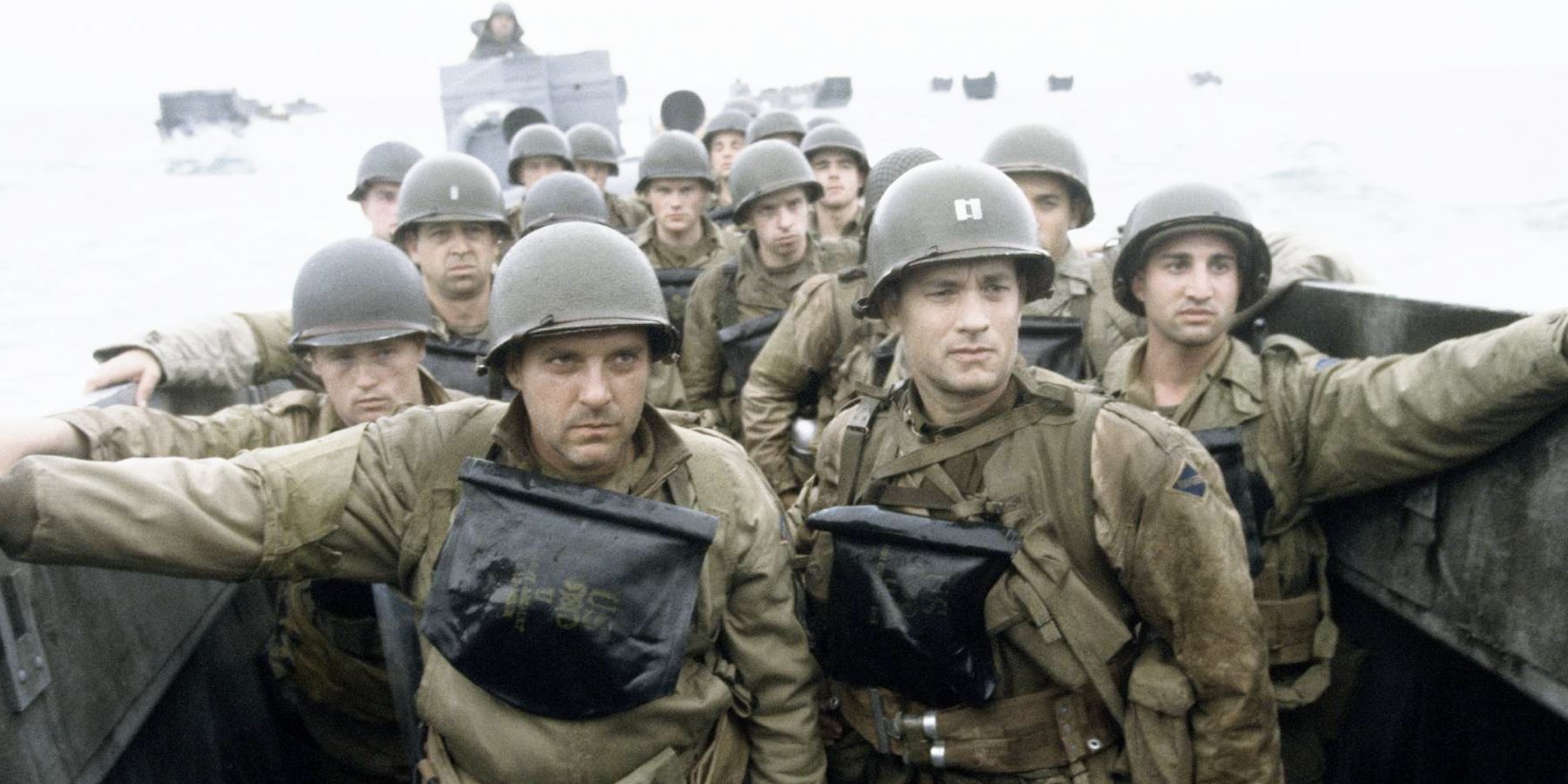
“What the hell do we do now, sir?” Few opening sequences have ever hit with the visceral force of Saving Private Ryan‘s Omaha Beach landing. Clocking in at nearly twenty-five relentless minutes, the scene is a harrowing descent into chaos, brutality, and terror.It brings a pivotal moment in history to vivid life. Steven Spielberg‘s use of handheld cameras (including one that gets splashed with blood), muted colors, and intense sound design puts the audience directly in the line of fire.
Bullets hiss through the surf, explosions muffle the screams of the dying, and soldiers cry out for limbs, mothers, and meaning. It’s relentlessly immersive. Tom Hanks‘ Captain Miller moves through the slaughter, dazed, almost robotic. Soldiers reel in shock, men are gunned down seconds after stepping off the boat, one runs carrying his severed arm as if there’s a chance it could be reattached. To put it simply, the scene changed the way war was depicted in film forever.
5
‘Zodiac’ (2007)
The Final Interview
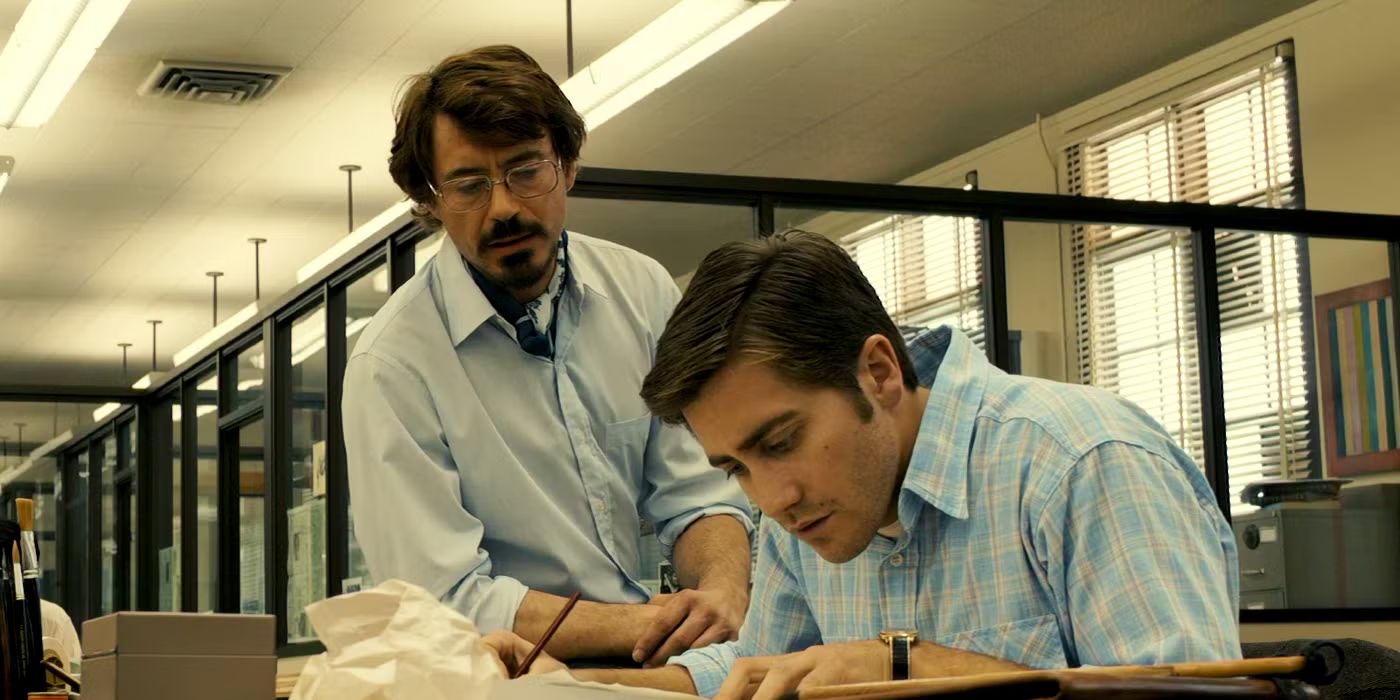
“This is the closest you’ll ever get to the Zodiac.” When Robert Graysmith (Jake Gyllenhaal) finally stares into the eyes of the man he believes is the Zodiac Killer, the moment is eerie not for what is said, but for what’s not. In this drawn-out scene, David Fincher abandons flashy editing in favor of slow, suffocating stillness. The conversation between Graysmith and Arthur Leigh Allen(John Carroll Lynch) is heavy with implication but starved of resolution (much like the case itself). As with the movie as a whole, the scene stubbornly rejects catharsis.
There’s no outburst, no confession, no escape, just dread, ambiguity, and a lingering sense that evil doesn’t always announce itself. Sometimes, it simply watches, waits, and… smiles. The pacing is hypnotic, the silences are weaponized, and Gyllenhaal’s performance convincingly conveys the weight of obsession closing in on itself. The scene builds and builds, and then ends with a simple, devastating look.
4
‘True Romance’ (1993)
The “Sicilian” Scene
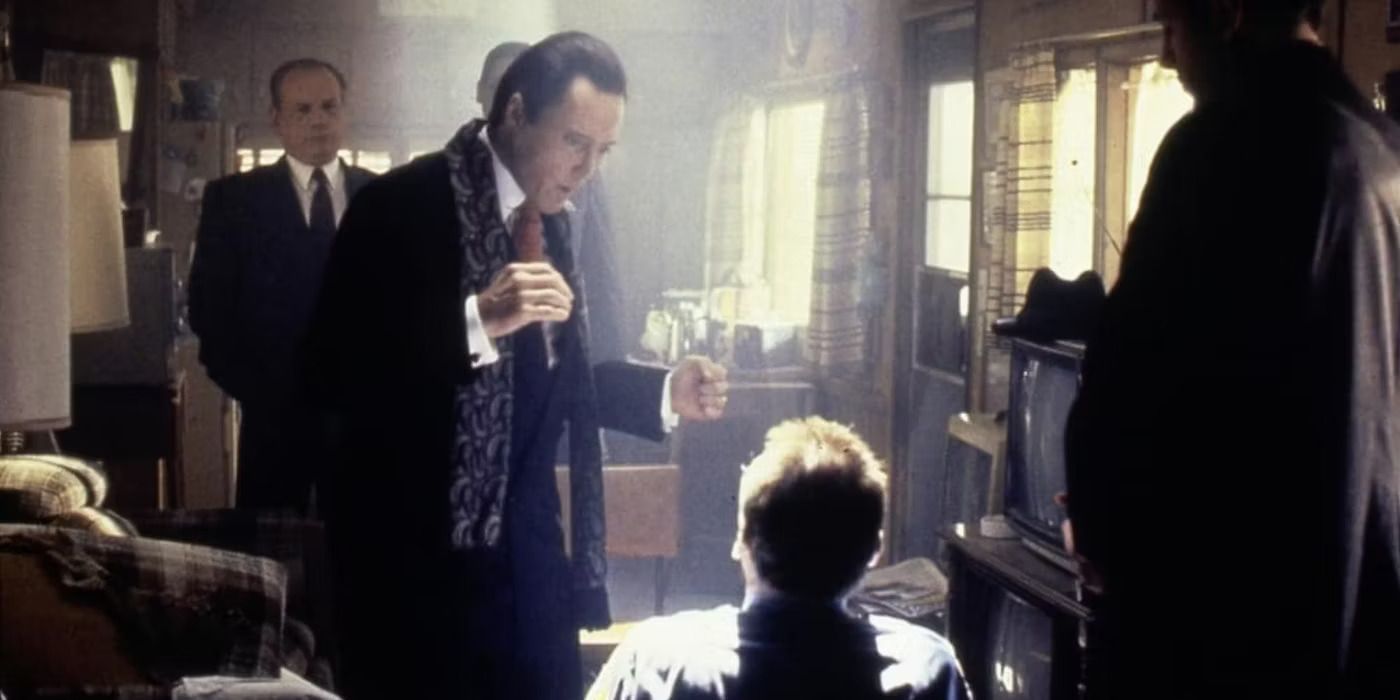
“I’m the Antichrist. You got me in a vendetta kind of mood.” Quentin Tarantino loves violence, but the tensest confrontations in his stories are actually conversations. One of the most notable is the scene in True Romance where Christopher Walken‘s mob enforcer interrogates Dennis Hopper‘s retired security guard. The conversation becomes a tense, operatic, five-minute battle of wills. The dialogue dances between charm and threat, humor and doom, with Walken oozing charismatic menace and Hopper delivering a defiant, suicidal monologue laced with racial insult and philosophical gallows humor.
On the surface, it’s just intense and entertaining, but look a little closer, and the scene is really a statement on power, ancestry, and the dignity of choosing your death. Tony Scott directs with tight close-ups and slow zooms, letting the language crackle like gunfire. The scene’s longevity gives it time to breathe and burn, building to an eruption that’s inevitable but no less shocking.
3
‘Goodfellas’ (1990)
The Copacabana Walkthrough
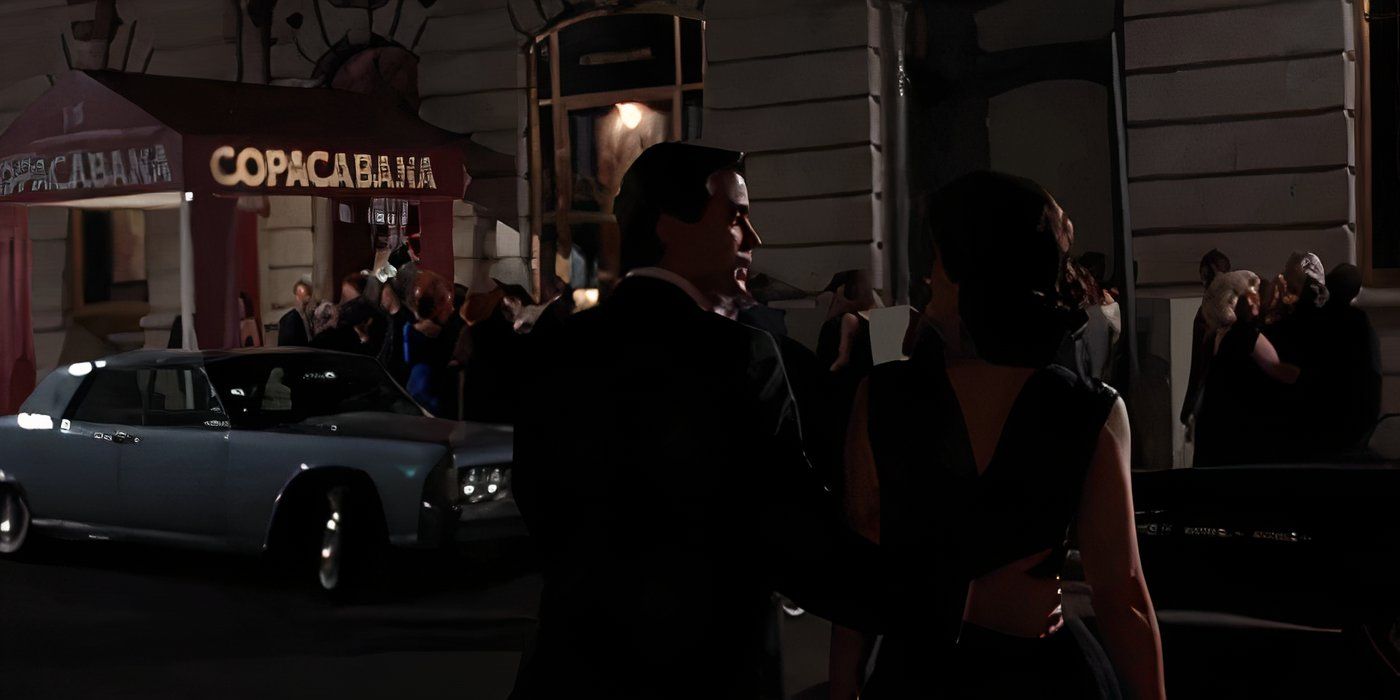
“As far back as I can remember, I always wanted to be a gangster.” This legendary single-take tracking shot follows Henry Hill (Ray Liotta) and his date Karen (Lorraine Bracco) as they move through the backrooms of the Copacabana nightclub, all set to The Crystals’ “Then He Kissed Me.” More than just a technical marvel, the shot is a character study in motion. We see Henry’s power, influence, and charm, all without a word of exposition. It’s one of the best examples of Martin Scorsese fusing character depth and style into a single sequence.
Indeed, the shot is the cinematic equivalent of a magician’s flourish, revealing the world Henry’s built and the awe it inspires in others. Marty’s choice to keep the camera moving for three full minutes before even settling into a table is deliberate. It lets the fantasy sink in. The extended length of the sequence amplifies its dreamlike quality, only for that same dream to curdle as the film continues.
2
‘There Will Be Blood’ (2007)
The Ending Monologue
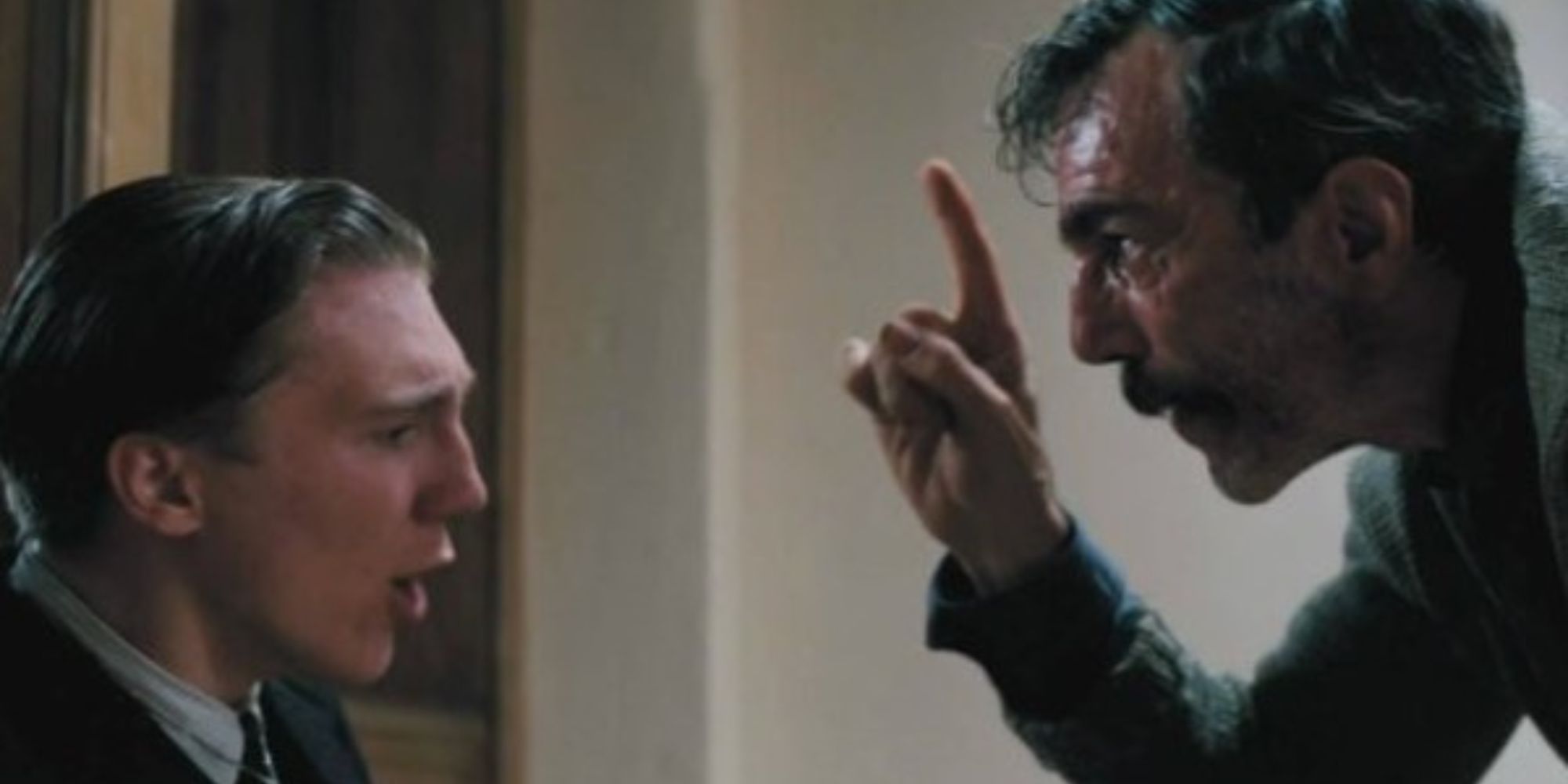
“I drink your milkshake! I drink it up!” The final scene of There Will Be Blood is an unholy symphony of arrogance, vengeance, and madness. Daniel Plainview (Daniel Day-Lewis), now rich, isolated, and utterly deranged, faces his old nemesis Eli Sunday (Paul Dano) in his private bowling alley. What follows is a monologue soaked in venom and spiritual blasphemy. “I drink your milkshake!” sounds silly (and became a bit of a meme), but it’s actually chilling; a declaration of total, annihilating dominance.
Proving his mastery for the umpteenth time, Day-Lewis turns the scene into operatic absurdity, howling and growling, oscillating between comedy and horror. Paul Thomas Anderson gives the scene time to sprawl, seethe, and descend into lunacy. Expertly shot and marvelously performed, this scene is the final note that rams everything home. Over five minutes of psychological evisceration conclude with a corpse, a smirk, and the quiet, chilling line: “I’m finished.” And so he is.
1
‘Touch of Evil’ (1958)
The Opening Tracking Shot
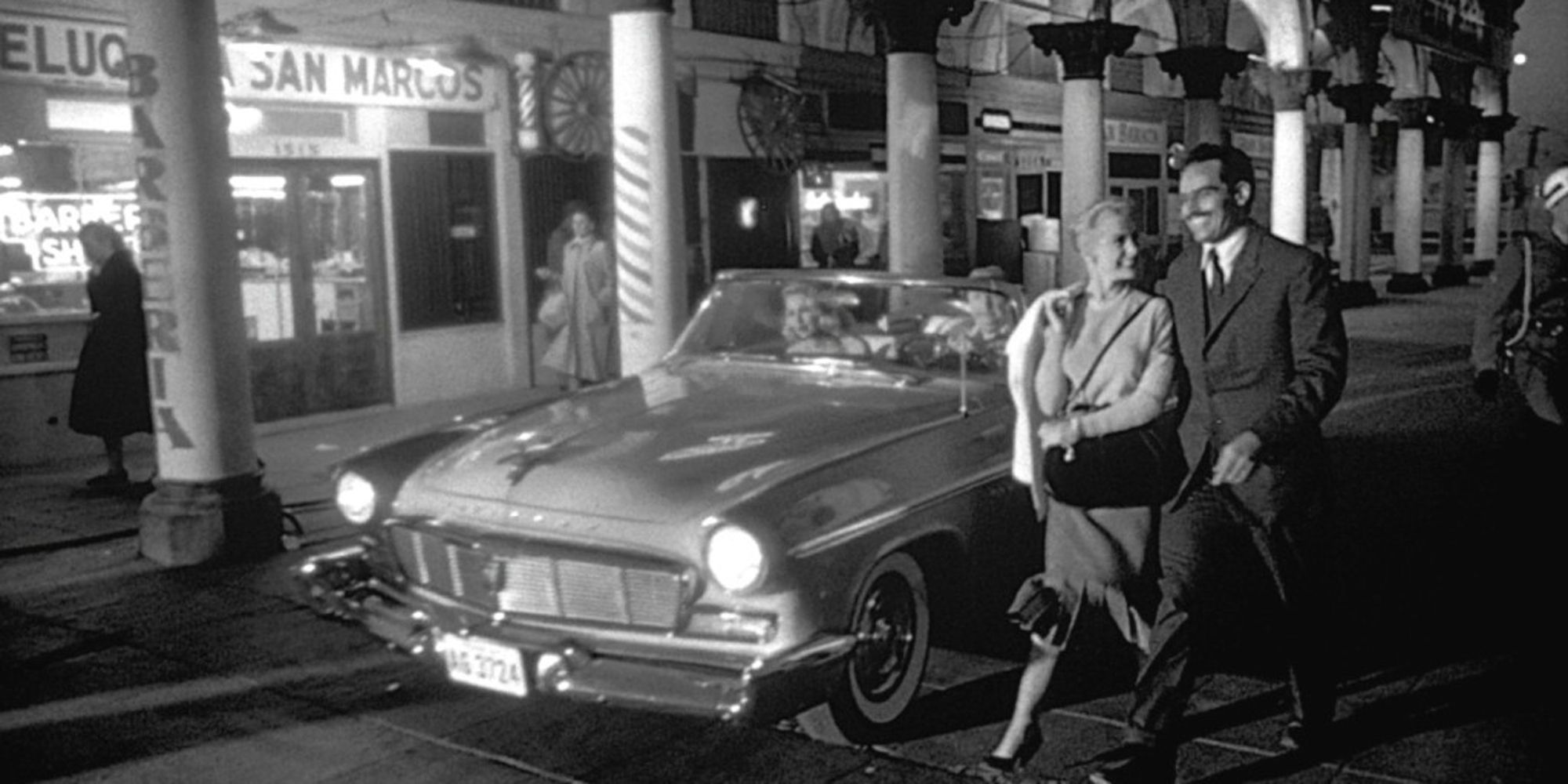
“I don’t understand a thing about this country.” One of the most famous long takes in cinema history, the opening shot of Touch of Evil set an impossibly high bar for suspense. We follow a car as a bomb is planted in its trunk, then watch as it moves slowly through a crowded Mexican border town, all while Orson Welles‘ camera floats and glides in an unbroken, breathless dance.
This sequence is a technical tour de force, but more importantly, it’s a statement of intent. From the moment the ticking starts, dread begins to build. Welles plays with the tension like a conductor. He’s not being indulgent with the extended length because every second serves a purpose. The scene immerses us in the rhythm of this fictional world just before the explosion breaks it apart. Not for nothing, this scene inspired countless copycats. A banger, in more ways than one.