Everyone loves a movie whose main purpose is to be entertaining, but every now and then, it’s just as enjoyable to watch a film that challenges one’s intellect. However, there certainly are levels of how intellectually challenging a film can be. There are some that simply require some wits and a good degree and attention, and then there are others for which you almost need to be a genius.
This is a bit of an exaggeration, of course, but it’s undeniable that some movies require amounts of intelligence and analysis far above the average. Whether it’s because their surreal narratives are a struggle to understand, because their slow pace would bore the average viewer, or because their story elements are confusing by design, some movies do need the audience to be significantly smart in order to be fully understood and appreciated—pretentious though it may sound. These are ten of those films, ranked by how much brainpower they require.
10
‘Eraserhead’ (1977)
Directed by David Lynch
It’s not an overstatement to call the late David Lynch a genius. Easily and by far one of the most influential surrealist filmmakers in history, he was responsible for some of the best weird movies of all time, which certainly includes his debut, Eraserhead. A highly spiritual film (no elaboration needed) about the fears and anxieties of fatherhood, it’s one of the most brilliant directing debuts of any filmmaker.
As far as horror films go, plots rarely get more convoluted than this. Gloomy, oppressive, and entirely unapologetic about its weirdness, Eraserhead is a black-and-white beauty that’s as unsettling as it is fascinating. Its themes and intentions are somewhat clearer than in a good portion of Lynch’s filmography, but truly and openly appreciating its uniqueness takes some work.
9
‘Primer’ (2004)
Directed by Shane Carruth
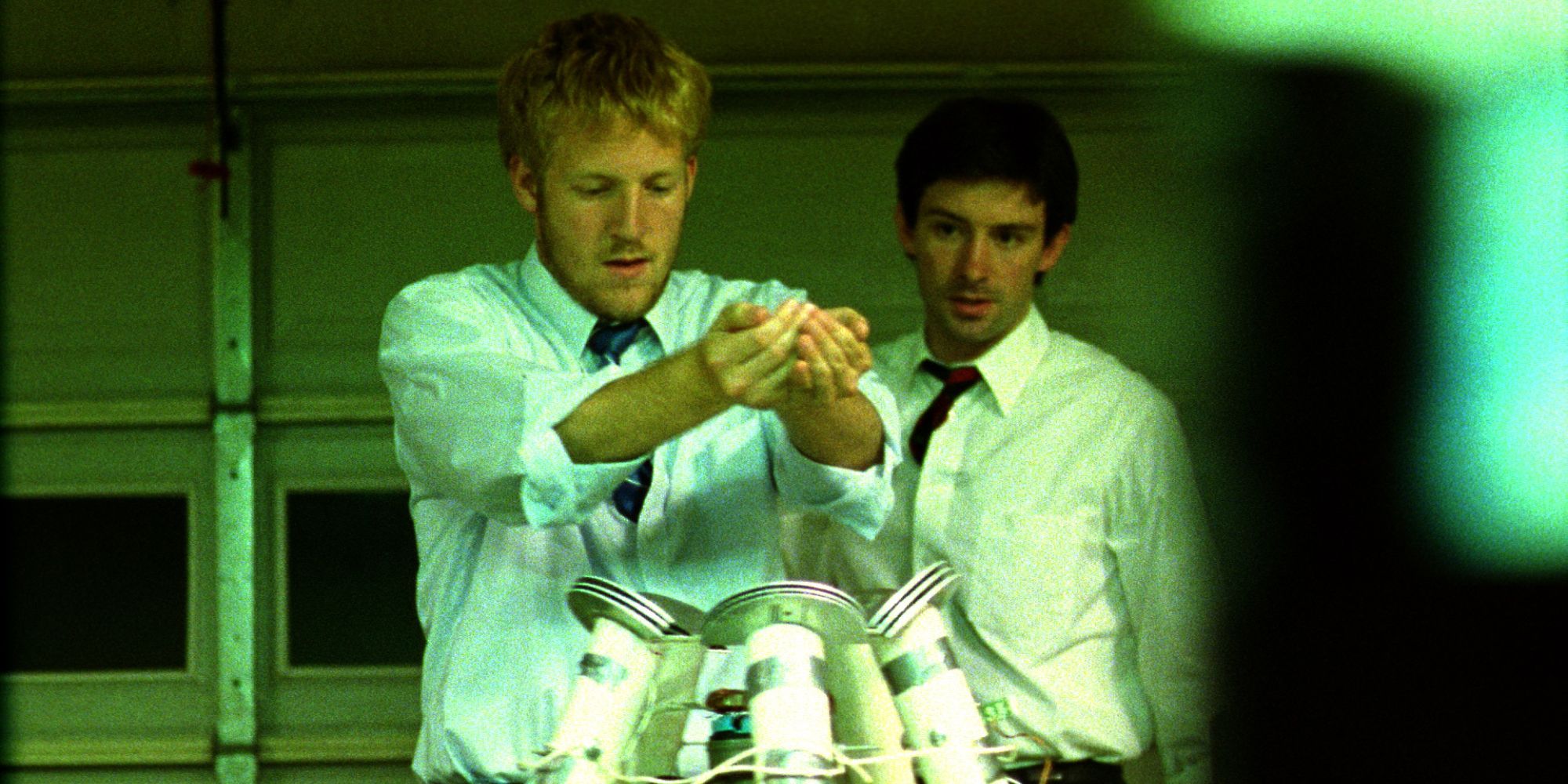
A hard-to-understand narrative, an experimental approach, and a shoestring budget of about $7,000. The fact that Primer, usually hailed as the most scientifically accurate time travel film ever made, is as amazing as it is is quite a surprise. Seeing as it’s a story that directly deals with themes of knowledge and scientific advancement, it’s probably not a coincidence that it requires quite a bit of thoughtfulness to figure out.
The film is incredibly dense and as challenging as a puzzle, but the experience of trying to pin down its ins and outs is highly rewarding and stimulating. Indie cinema is often the perfect place for sci-fi filmmakers to test out crazy ideas, and Primer certainly is a crazy film. In spite of whatever technical shortcomings its small budget might have caused, its narrative is more than engrossing enough to compensate.
8
‘Persona’ (1966)
Directed by Ingmar Bergman

Ingmar Bergman, one of the most influential filmmakers in history, was responsible for several of the best Swedish movies ever made. The Seventh Sealis perhaps his most popular work, but the question of what his best work is tends to elicit a different answer among cinephiles: The impenetrable Persona, undoubtedly the most bizarre picture that Bergman ever made.
The movie’s dissection of themes like art, identity, and duality is absolutely fascinating, but definitely daunting for those not willing to give the narrative their full attention and brainpower. It doesn’t take a genius to enjoy the feelings that Persona causes to bubble up in the viewer, but it kind of does take a genius to fully understand its story and characters—and, thus, to properly appreciate Bergman’s magnum opus.
Persona
- Release Date
-
March 16, 1967
- Runtime
-
83 Minutes
- Director
-
Ingmar Bergman
7
‘Solaris’ (1972)
Directed by Andrei Tarkovsky

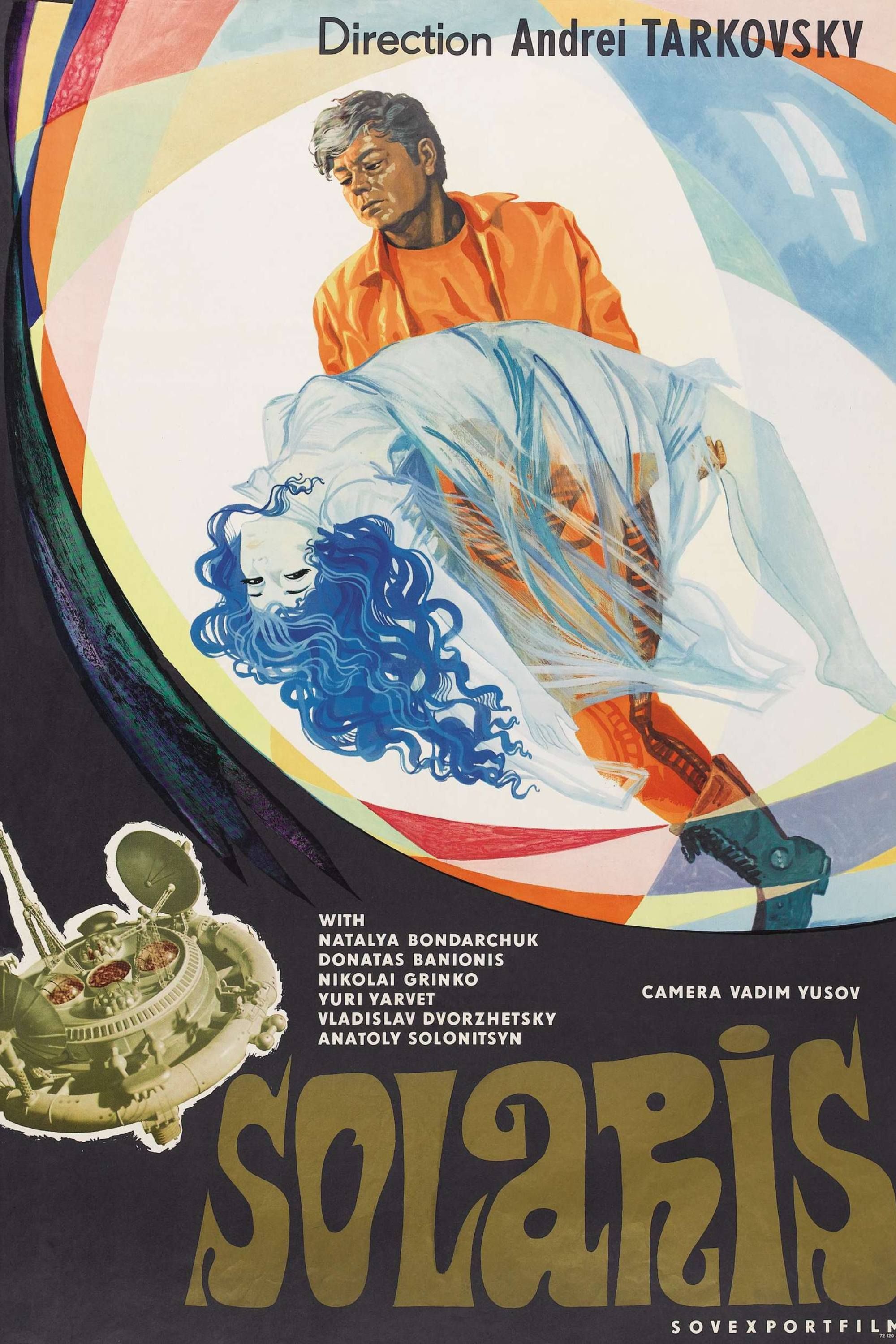
The Soviet auteur Andrei Tarkovsky was the greatest poet to ever sit in a director’s chair. His cinema is slow, meditative, and highly thought-provoking—not the kind of thing that people who only want movies to offer entertainment are probably looking for. He made a couple of the greatest and most unique sci-fi movies of all time, and the most popular of the pair is arguably Solaris.
One of the best arthouse sci-fi films ever, Solaris can be painfully confusing for those not paying full attention. Tarkovsky explores complicated facets of existentialism and human connection that definitely require a more philosophy-driven mind to be fully appreciated. In true Tarkovsky fashion, he does so through a story that’s confusing and mystifying by design.
6
‘Anomalisa’ (2015)
Directed by Charlie Kaufman

Charlie Kaufman, best known as perhaps the greatest screenwriter working today, took to the job of directing in 2008 with Synecdoche, New York—itself also an intellectually challenging masterpiece, but not nearly as much as the auteur’s sophomore directing effort: the stop-motion gem Anomalisa. Neurotic, cynical, and existentially anxious, like all of Kaufman’s work, it’s definitely the weirdest and most mentally demanding movie he’s ever participated in.
Through some of the most impressive animation of the 21st century and one of the best screenplays of any animated picture, Anomalisa dives into complex themes of aging and connection without ever falling into melodrama. It can be incredibly off-putting for those not willing to put in the work of trying to understand it, but for people willing to give it that amount of attention, it can be a deeply humanly enriching movie.

5
‘Donnie Darko’ (2001)
Directed by Richard Kelly
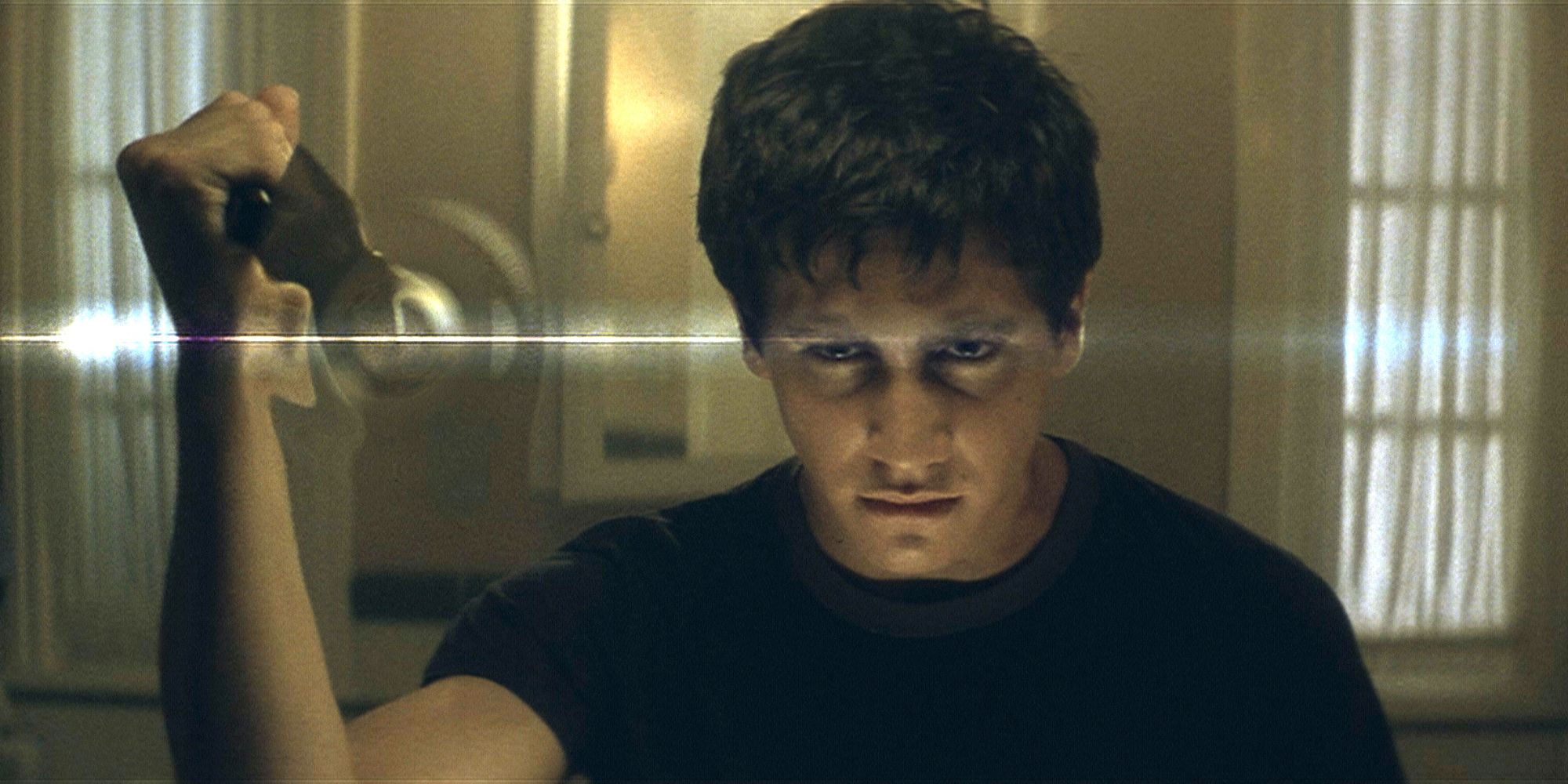
Donnie Darkorevitalized the cult film circuit and midnight screening craze that had gone into a bit of a lull throughout the 1990s. It is one of the most important, as well as one of the most perfect cult classics of the 21st century. It’s worth noting, however, that those looking for the same kind of turn-your-brain-off entertainment provided by past cult classics like The Rocky Horror Picture Showand This Is Spinal Tapshould look elsewhere. A big factor that contributed to Donnie Darko‘s success was its bewildering narrative.
Endlessly re-watching the film and coming up with wild theories became the tradition that gave birth to Donnie‘s cult following.
The movie’s creepy atmosphere, cool visuals, and clever genre satirization all make it hugely fun, but it’s pretty much impossible to fully understand and appreciate Donnie Darko after the first time watching it. In fact, endlessly re-watching the film and coming up with wild theories became the tradition that gave birth to Donnie‘s cult following. But while it might take a genius to understand the movie, it doesn’t take a genius to have a blast of fun with it.
4
‘Paprika’ (2006)
Directed by Satoshi Kon

Everyone who thinks that you need to be a genius in order to understand Christopher Nolan‘s Inceptionreally ought to watch the anime film that very clearly inspired its premise: Paprika, one of the best and most baffling movies about dreams ever made. With some of the most complex storytelling of any sci-fi film, it’s a true challenge to fully understand and appreciate—but oh, how satisfying the reward of completing that challenge is.
Fully understanding and following the logic that Satoshi Kon puts on display in Paprika is about as pointless as it comes. Instead, what makes this movie so delightful and re-watchable is diving into its dream logic and thought-provoking symbolism with open arms, welcoming all of the madness that Kon throws at the screen. For those less accustomed to such challenging films, however, the experience might feel frustratingly puzzling.
3
‘Mirror’ (1975)
Directed by Andrei Tarkovsky

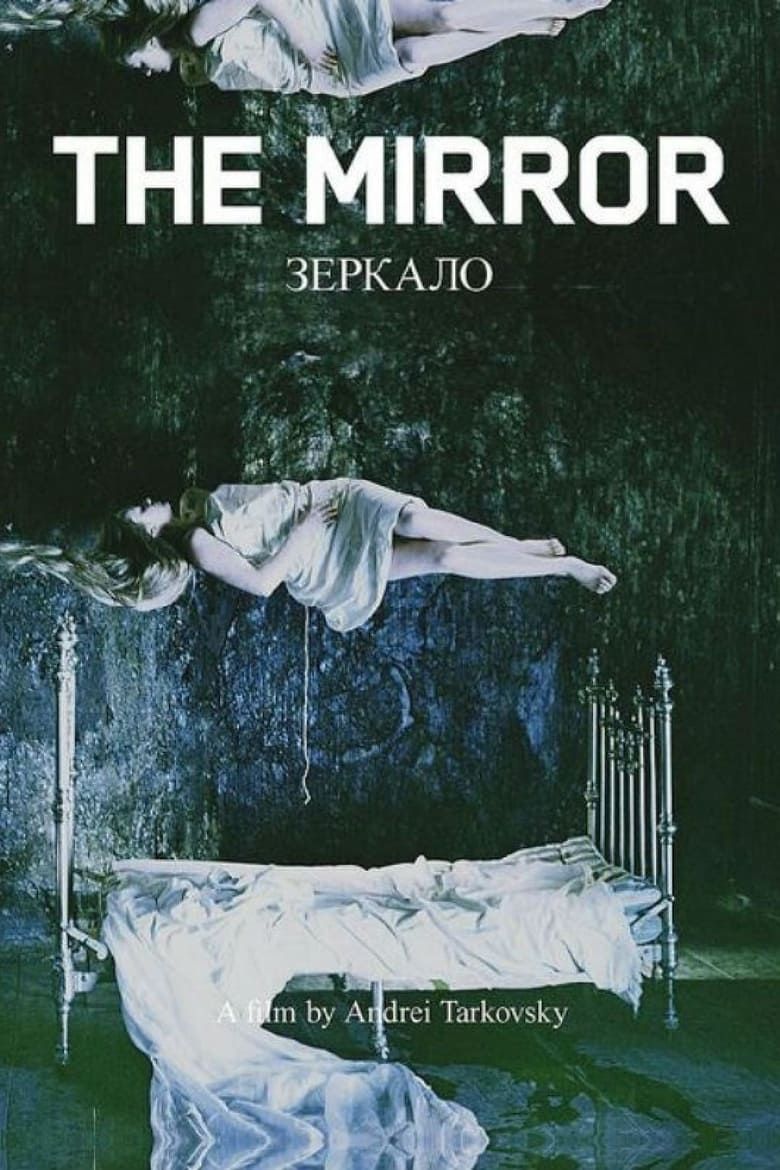
Tarkovsky’s most intellectually challenging film isn’t a sci-fi movie, but rather a semi-autobiographical avant-garde drama. Mirroris about a dying man in his forties remembering his past: his childhood, his mother, the war, personal moments, and scenes that reflect Russia’s history. One of the most iconic surrealist films ever made, it’s easily Tarkovsky’s least-accessible movie, but also definitely one of his best.Intimate and personal beyond what words can describe, Mirror is an impenetrable series of symbolic images that barely make any sense without a notebook in hand. It takes some intelligence to enjoy the task of trying to figure out its story and characters, but a great place to start is not to resort to brains as a first step. Instead, sitting back and allowing Mirror to work its emotional magic on you is the best possible way to get a feel for Tarkovsky’s poetic approach.
2
‘Mulholland Drive’ (2001)
Directed by David Lynch

Practically all of David Lynch’s filmography could reasonably be called confusing and esoteric, but perhaps none of his films quite as much as his most mainstream one: Mulholland Drive. But make no mistake: though Mulholland was able to break into the mainstream, it’s still one of the most perplexing films ever made.
Though it takes quite a bit of brainwork, analysis, and reflection to figure out and appreciate Mulholland Drive, it’s still one of the best mystery films of the last 75 years. The acting is amazing, and Lynch’s direction is flawless, which definitely makes the task of pinning down the narrative a lot more enjoyable. Still, that doesn’t detract from the fact that it practically takes a genius to fully understand what Lynch was going for here.
1
‘Jeanne Dielman, 23 quai du Commerce, 1080 Bruxelles’ (1975)
Directed by Chantal Akerman
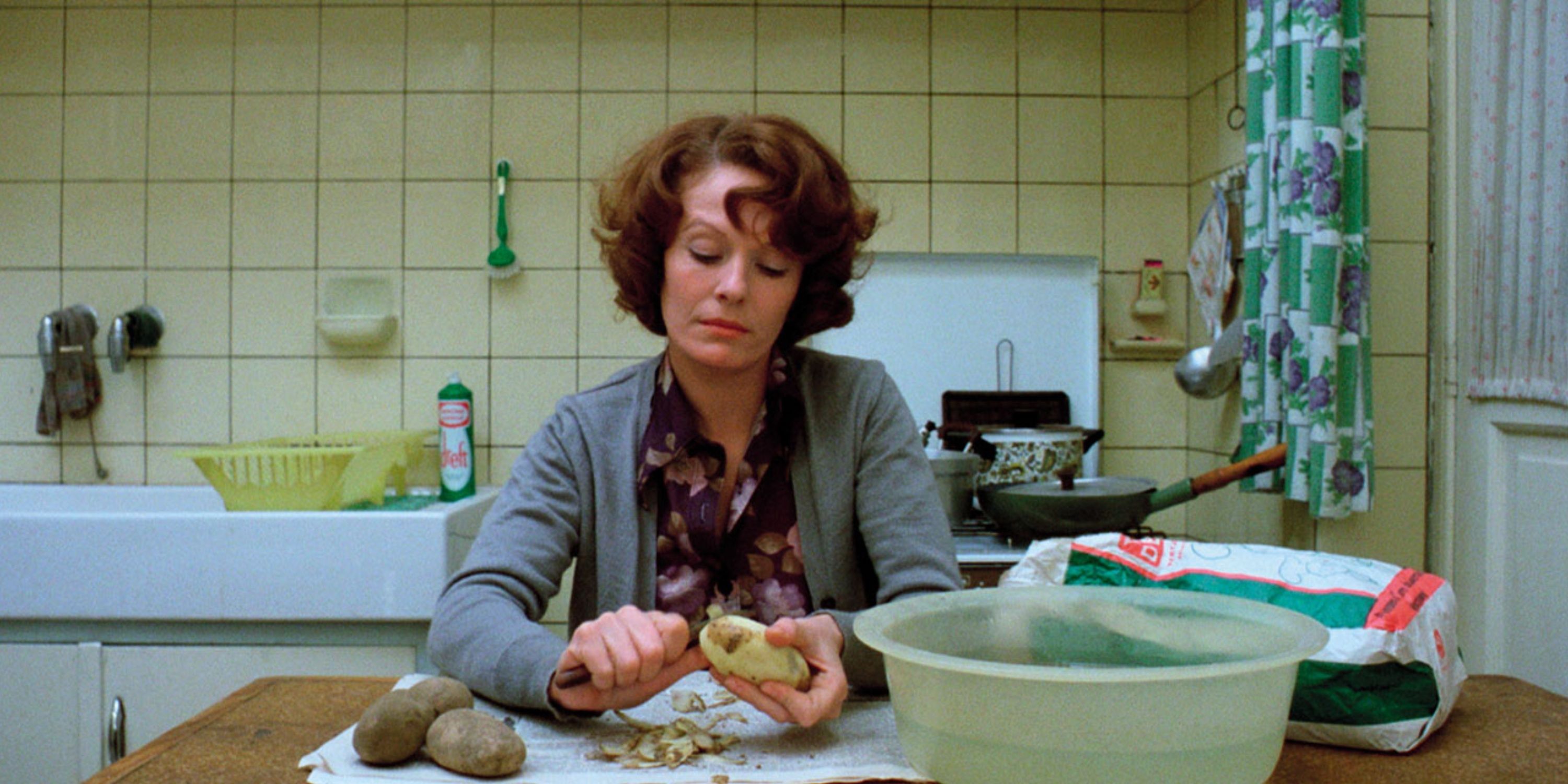
Jeanne Dielman, 23 quai du Commerce, 1080 Bruxellesisn’t the most intellectually challenging movie of all time because it’s surrealist. It’s not weird at all, really, and understanding its story is about as simple as watching paint dry. That’s just the thing, though. This Belgian masterpiece, named the greatest film ever made by critics from the British Film Institute in 2022, is terribly dull by design. After all, no filmmaker would reasonably expect viewers to find a widowed mother going through her daily housework for three-and-a-half hours particularly exhilarating.
Indeed, it doesn’t take a genius to understand the surface of Jeanne Dielman, but it takes a genius to appreciate all of its profoundly meaningful subtext. The average viewer would shut down just after having to sit through Jeanne washing dishes for three uninterrupted minutes, but a more seasoned cinephile would be open to sitting down and trying to understand Chantal Akerman‘s intentions. Her celebration of the invisible value of housework and sexwork; her condemnation of the ever-watching panopticon of the patriarchy; and her reclamation of the power of homemakers’ labor. Jeanne Dielman is worth every bit of the mental effort that necessarily goes into fully appreciating it.