The last decade has been a complex, fragmented one for cinema. It’s had many low points, seeing the demise of the original blockbuster and the continued ascent of disposable sequels, coupled with the rise of the superhero genre. It also saw bold indie filmmakers staking new ground and established titans pushing themselves outside their comfort zone.
With this in mind, this list looks at some undeniable movie masterpieces from the past ten years. Whether it’s the vulnerability of Moonlight, the satire of Parasite, or the mournful absurdity of The Banshees of Inisherin, each of these movies burns its way into your memory. Despite their relative recency, these movies have cemented themselves as genuine triumphs of the medium.
10
‘The Worst Person in the World’ (2021)
Directed by Joachim Trier
“I feel like a spectator in my own life. Like I’m playing a supporting role in my own story.” The Worst Person in the World really captures the tangled, nonlinear mess of modern adulthood. Joachim Trier’s trilogy-capping marvel centers on Julie (Renate Reinsve), a woman drifting between jobs, lovers, and ideals as she tries to understand who she is and what she wants. But unlike so many films about “finding yourself,” this one doesn’t offer neat answers. Instead, it leans into the ambiguity, the emotional wreckage, and the contradictory feelings associated with fleeting connections.
The film’s structure, broken into chapters, detours, and hallucinations, mirrors the way memory distorts and reframes a life. It’s funny, sexy, agonizing, and human. Reinsve does most of the heavy lifting in a career-making performance: raw, magnetic, heartbreaking. It earned her the Best Actress award at Cannes. The star and director teamed up again for the upcoming Sentimental Value, set for release near the end of the year.
9
‘The Banshees of Inisherin’ (2022)
Directed by Martin McDonagh
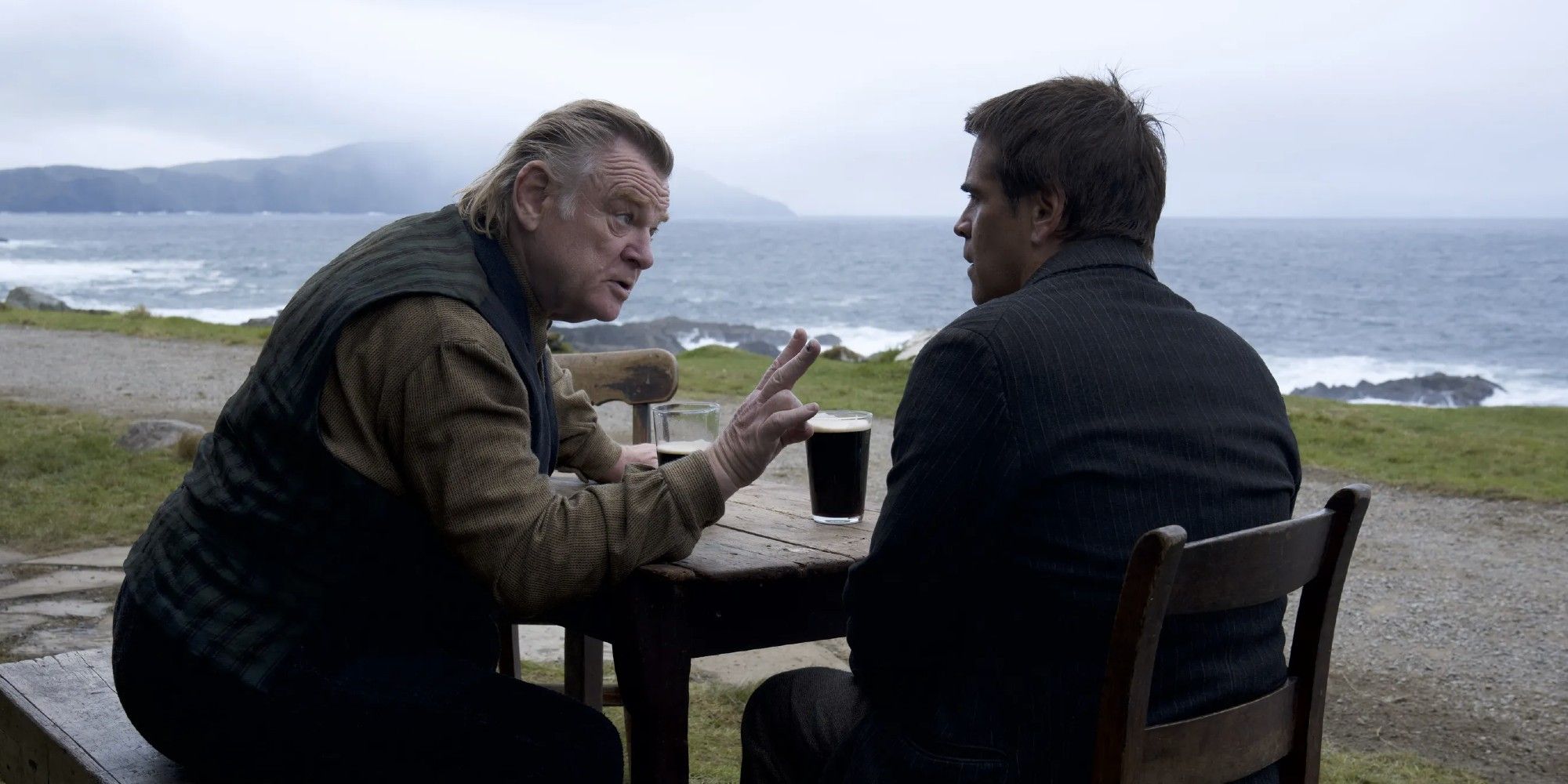
“I just don’t like you no more.” In Bruges is funnier, but The Banshees of Inisherin is Martin McDonagh‘s darkest, deepest, and most delicate film (while still being pretty damn funny). He reunited with Colin Farrell and Brendan Gleeson, together crafting a tragicomic elegy to friendship, stubbornness, and the quiet, corrosive violence of isolation. The Banshees of Inisherin takes place on a fictional Irish island during the Irish Civil War, but the real war here is between two former friends: one who abruptly ends the relationship, and the other who cannot let it go.
The chemistry between the stars is fantastic once again, their dynamic now laced with melancholy, confusion and, at times, quiet fury. What begins as a quirky squabble spirals into self-destruction, mutilation, and something close to myth. On the visual side, McDonagh paints with muted colors and vast silences, capturing the way loneliness and pride can fester in a small, inescapable world.
8
‘Moonlight’ (2016)
Directed by Barry Jenkins
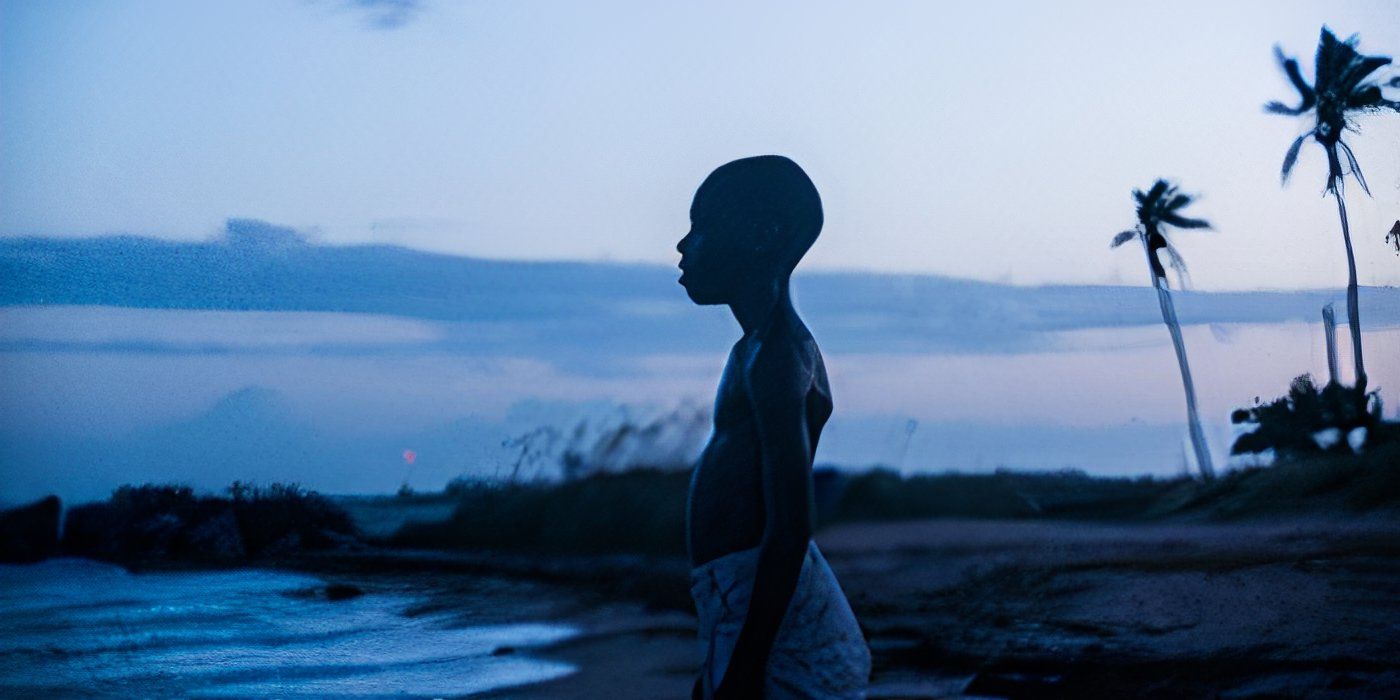
“Who is you, Chiron?” Few films have ever captured vulnerability, identity, and intimacy as quietly and powerfully as Moonlight. Barry Jenkins‘ Oscar-winning gem tells the story of Chiron across three phases of his life (childhood, adolescence, and adulthood), each rendered with lyrical precision. Through his eyes, we see the struggle of growing up Black and gay in a world that offers neither safety nor softness. Yet, rather than being merely political, the movie is incredibly tender. In particular, it has a lot of thoughtful things to say about modern masculinity.
The aesthetics and storytelling convey the themes with a deft touch. Jenkins’ direction is poetic and immersive, pairing gorgeously lit images with haunting silence and James Laxton‘s ethereal cinematography. On the acting front, the performances, from Mahershala Ali‘s quiet mentorship to Trevante Rhodes‘ heartbreaking restraint, form a mosaic of pain, love, and buried desire.It all adds up to a wonderful act of empathy.
7
‘Parasite’ (2019)
Directed by Bong Joon-ho
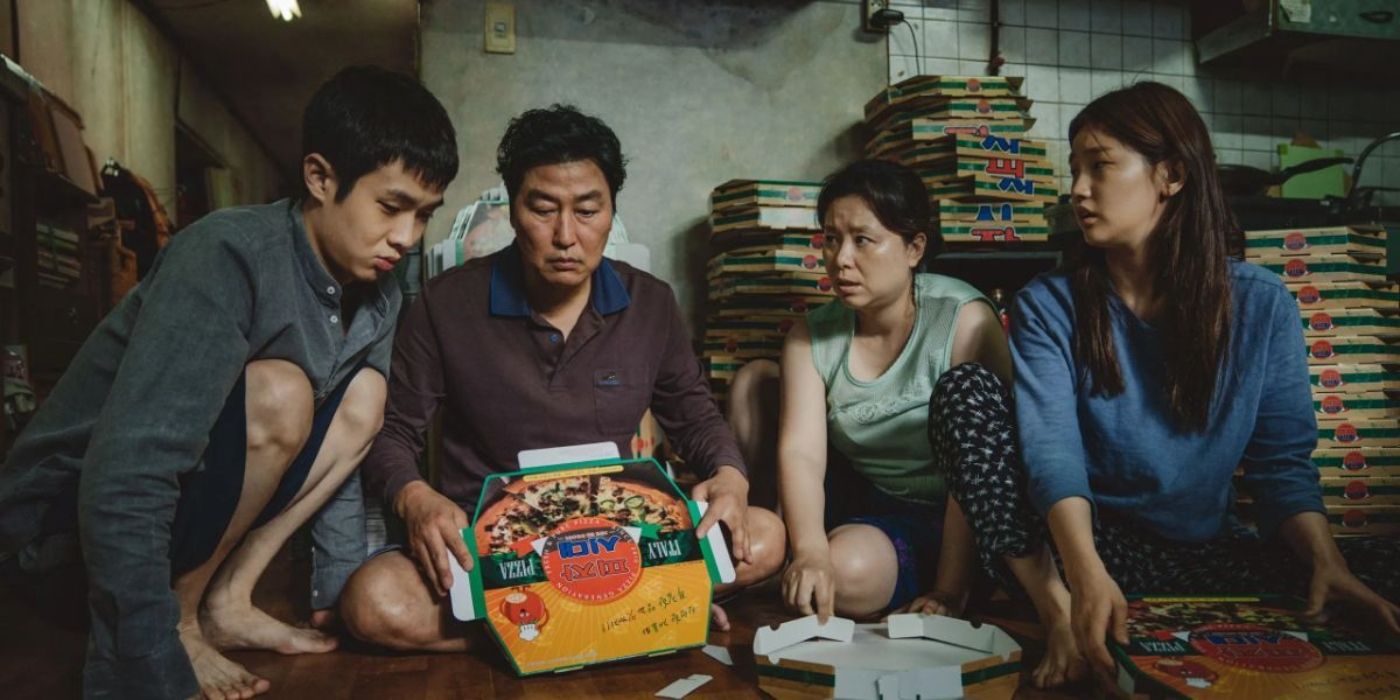
“You know what kind of plan never fails? No plan at all.” This genre-bending, razor-sharp satire detonated at the heart of global cinema, resonating across language barriers. Bong Joon-ho‘s masterpiece of class warfare begins as a dark comedy, turns into a thriller, and lands as a full-blown tragedy, all without ever losing control. The Kim family’s infiltration of a wealthy household feels almost lighthearted at first, but then the situation tightens, noose-like, and the tone shifts into something more feral, more unforgiving.
Bong’s direction is meticulous, his symbolism layered and piercing. Every detail serves a purpose, from the architecture to the weather and even the smells. For this reason, Parasite invites endless interpretation but never feels didactic. Its ideas are incredibly relevant and are bound to only become more so as the years roll on and society continues to divide and fragment. The final scene, in particular, is devastating in its quiet despair.
6
‘All of Us Strangers’ (2023)
Directed by Andrew Haigh
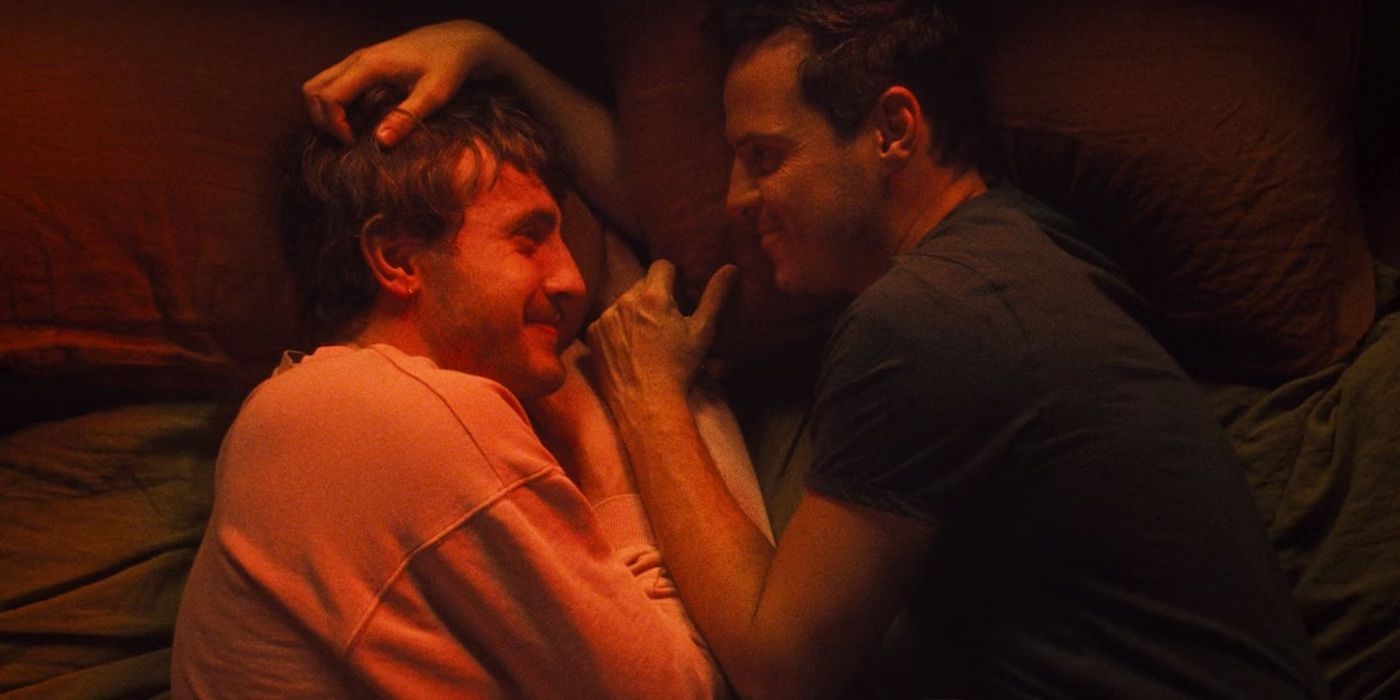
“It’s strange. I still love you, even though you don’t exist anymore.” Andrew Haigh‘s All of Us Strangers is a ghost story that doesn’t play by ghost story rules. It’s a film about love, memory, and grief, where the dead speak not to haunt, but to understand. At the heart of it, Andrew Scott gives a hauntingly gentle performance as a lonely screenwriter who reconnects with the long-dead parents of his childhood while falling in love with a mysterious neighbor (Paul Mescal).
What unfolds from here is less a narrative than a mood, drifting through emotional thresholds where time, identity, and loss dissolve. Haigh treats memory as a supernatural force and grief as a temporal loop. The film’s love story is tender and metaphysical, shot through with the yearning to be known and accepted. Complementing this, the cinematography shimmers with liminality, as if the entire world is about to slip into a dream.
5
‘The Zone of Interest’ (2023)
Directed by Jonathan Glazer
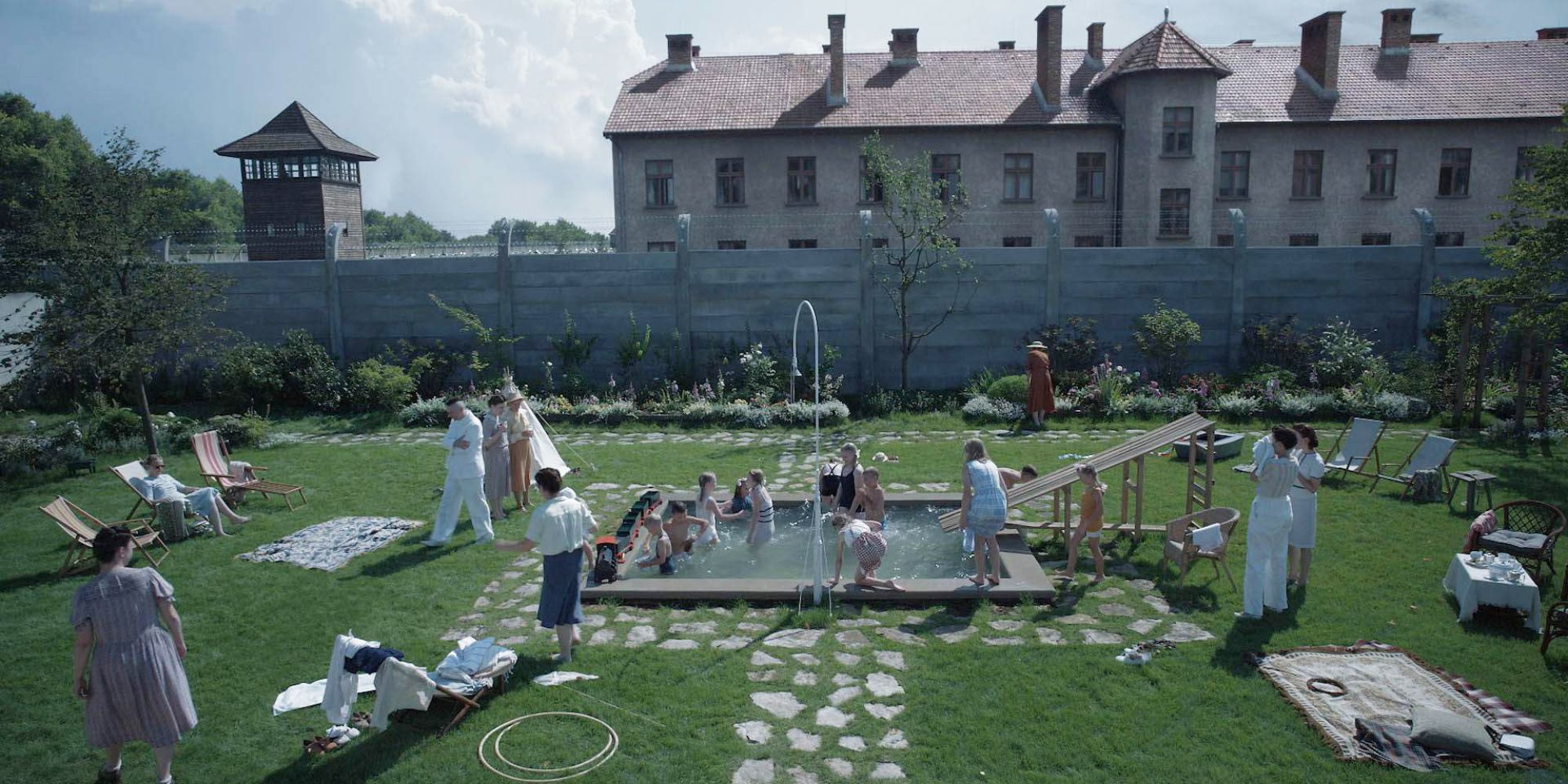
“We have to be careful what we see, what we hear, what we allow.” There’s nothing conventional about Jonathan Glazer‘s The Zone of Interest, and that’s precisely what makes it one of the most disturbing Holocaust films ever made. Set in the house adjacent to Auschwitz, it focuses on the domestic life of Rudolf Höss (Christian Friedel), the camp commandant, and his family. But Glazer refuses to show the atrocities directly. Instead, the horror comes from what we hear offscreen: screams, gunshots, furnaces.
In other words, the banality of evil has never been more literal. It’s not that Höss is overtly monstrous; he’s merely focused on other things, like his career, family, and finances. His interest does not extend to the victims under his watch. This juxtaposition of family drama and mass murder creates a moral dissonance that is almost unbearable. The Zone of Interest is about what people choose not to see, and how evil persists in silence, in comfort, in routine.
4
‘Roma’ (2018)
Directed by Alfonso Cuarón
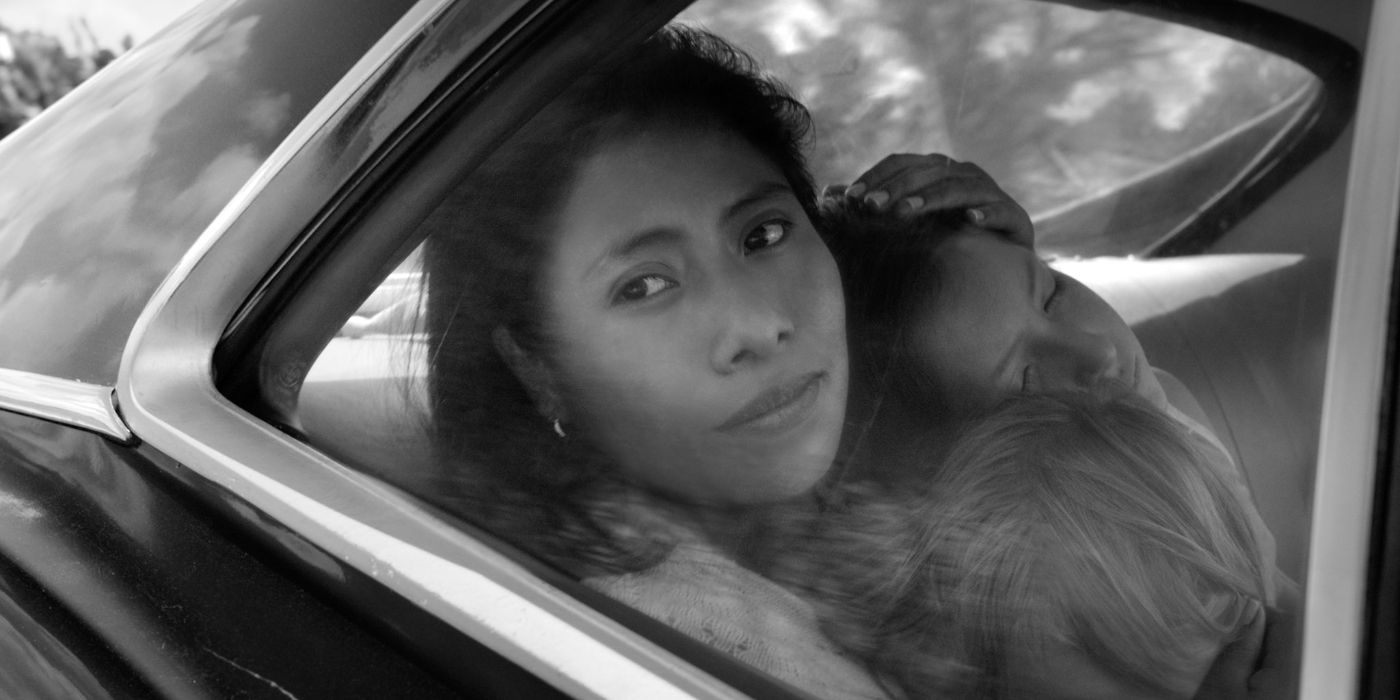
“We are alone. No matter what they tell you, we women are always alone.” Shot in luminous black-and-white and drawn from Alfonso Cuarón‘s childhood memories, Roma is both intimate and epic, a portrait of a domestic worker named Cleo (Yalitza Aparicio) whose quiet life unfolds against the chaos of 1970s Mexico City. There’s no traditional plot, no manufactured climax, just the slow accumulation of small moments, rendered with astonishing care. That’s not to say that it isn’t cinematic, however.
Cuarón’s camera glides through space like memory incarnate, capturing political unrest, heartbreak, and familial warmth with equal reverence. At its core, Roma is a tribute to the women who hold families together, to the invisible labor that sustains love and survival. Aparicio’s performance is astonishing in its restraint; she carries entire emotional landscapes with a glance. The film’s final act, involving a tragic birth and a quiet beachside reconciliation, is among the most wrenching in modern cinema.
3
‘Drive My Car’ (2021)
Directed by Ryusuke Hamaguchi
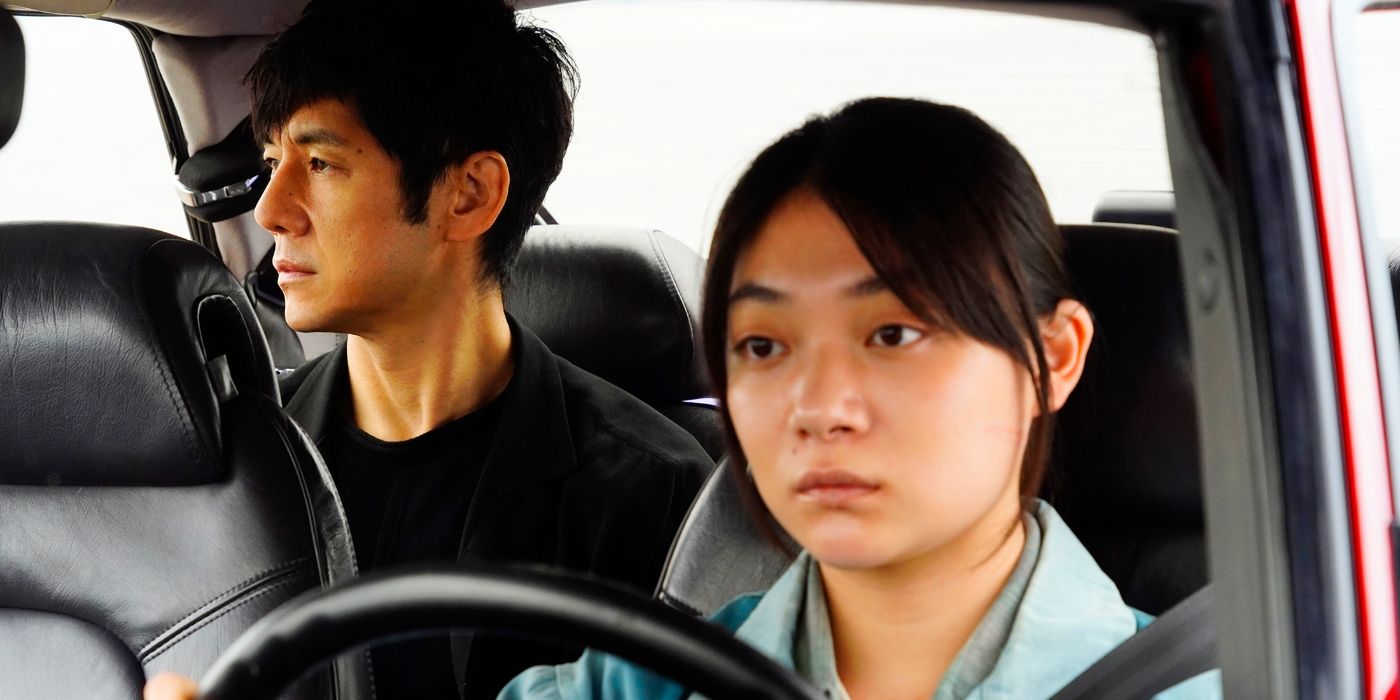
“We must keep on living. Even if we’re damaged.” Ryusuke Hamaguchi‘s Drive My Car is a film about grief that dares to take its time. It unfolds with meditative grace, clocking in at three hours. Despite the gargantuan runtime, the story elements are element. The narrative (adapted from a Haruki Murakami short story) revolves around a theater director (Hidetoshi Nishijima) mourning his wife’s death as he directs a multilingual production of Uncle Vanya. Yet what sounds dry on paper becomes hypnotic in execution. Hamaguchi uses this simple premise to explore language, loss, and performance through an existential lens.
The red Saab, the long drives, the rehearsals; they all become metaphors for emotional purgatory. Every interaction is layered, every silence loaded. The performances are immaculate, especially Nishijima. Ultimately, Drive My Car is not about what happens, but about what cannot be said, and how we speak around our wounds until we’re ready to face them.
2
‘Once Upon a Time in Hollywood’ (2019)
Directed by Quentin Tarantino
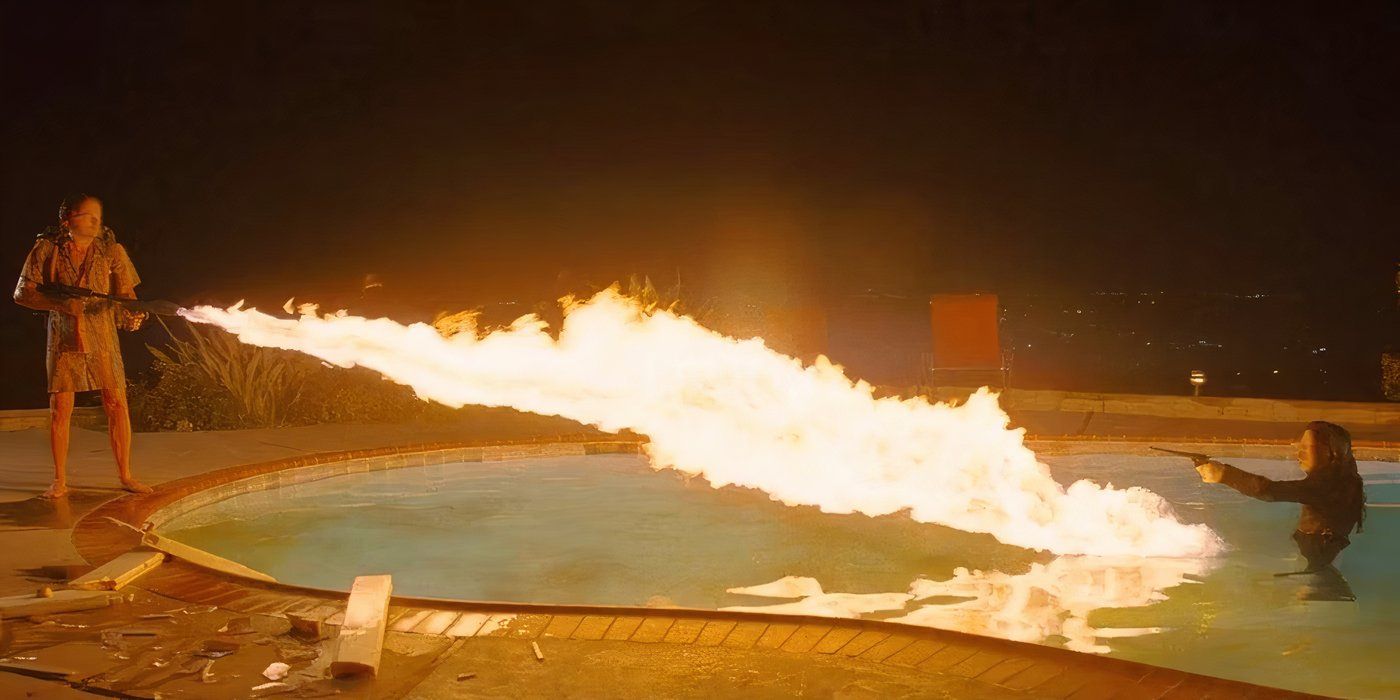
“You’re Rick f**ing Dalton. Don’t you forget it.” Tarantino‘s most wistful (and least violent) film is also possibly his best. Once Upon a Time in Hollywood reimagines the end of the 1960s not with cynicism, but with nostalgia and a hint of magical realism. Leonardo DiCaprio and Brad Pitt give career-best performances as a fading actor and his loyal stuntman, drifting through a Hollywood on the brink of violence and change.
It culminates with a fiery, masterful, incredibly entertaining climax that is the perfect payoff for all the buildup. Tarantino played with revisionist history before, but here his rewriting of the past is much more emotional and forlorn. The threat of doom is always present, but the film’s heart lies in its affection for a time when movie stars still felt like gods and the world still believed in fairy tales. Not for nothing, Richard Linklater declared this movie to be the best of the 2010s.
1
‘Oppenheimer’ (2023)
Directed by Christopher Nolan
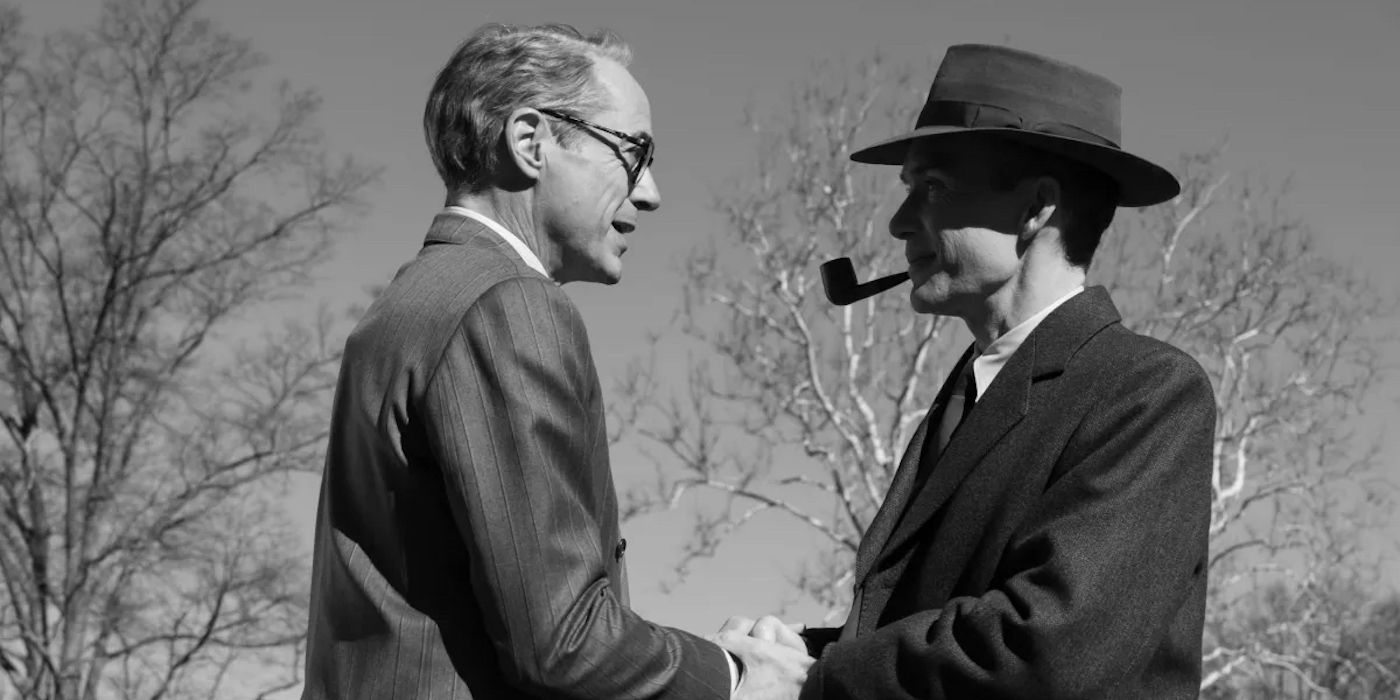
“Now I am become Death, the destroyer of worlds.” With Oppenheimer, Christopher Nolan swapped action and superheroes for physics and moral dilemmas, yet the result is arguably his finest work. Told with nonlinear complexity and relentless momentum, it chronicles the life of J. Robert Oppenheimer (Cillian Murphy), the brilliant, tormented physicist who helped build the atomic bomb. The film’s true subject, however, isn’t science but consequence. It’s among the most perceptive stories ever told about the nuclear age.
Oppenheimer simply fires on so many cylinders simultaneously. Murphy gives a hollow-eyed, haunted performance as a man whose genius reshaped the world and then broke him. Nolan weaponizes editing, sound, and subjective time to mirror Oppenheimer’s fracturing psyche. The Trinity test sequence is one of the most awe-inducing set pieces ever filmed, not for its spectacle, but for its silence. Oppenheimer is a story of brilliance and betrayal, of legacy and guilt, of men playing gods and paying the price.