As a child, there was nothing more terrifying and awe-inspiring than a great white shark. Their speed, strength, and perfectly evolved features to help them hunt made them an animal I wanted to swim with, but also never see up close. Even trying to fathom their size is a challenge. The average great white ranges from 11 to 16 feet, depending on its sex, with some growing as large as 20 feet long. Yet, there’s only one thing cooler than a big shark when you’re 12 years old — an even bigger shark; and the documentary Megalodon: The Monster Shark Liveschanged everything.
Of course, I didn’t initially realize this was a fictional documentary that once stirred up controversy when Discovery released it during Shark Week. Many had made the same mistake, and many felt there had not been enough effort from Discovery to promote the fact that this was not intended to be taken seriously. There are both issues and qualities to this over-dramatic mockumentary, from how it relates to the wider negative perception of sharks, to how real-world science is used, and stretched at times, to try and ground the premise.
‘Megalodon: The Monster Shark Lives’ Is a Horror at Heart
The “documentary” revolves around a team trying to prove the existence of a megalodon shark, a prehistoric shark believed to be around 60 feet long, after a fishing vessel is sunk by a large creature. The opening scene is a video of the fishing crew becoming more and more terrified as something below attacks them.
When the audio is cleaned up, and we hear an off-screen character yell, “it’s a shark!” the tension is ratcheted up because the screams and chaos in the video, coupled with a reveal that still leaves the creature to our imagination, pull us into the horror that would unfold if such a shark existed. Throughout the piece, much of the action is created by frantic editing, dramatic music, and panicked shouts from people, which, if you ignore the fact that it is all fake, is anxiety-inducing.
However, this frightening portrayal of the Megalodon, which invites us to make the shark as scary as possible in our minds, is part of a wider issue with how we are made to feel about these animals. Phrases such as “serial killer” make us see the shark as malicious, and Mike Bhana, the lead investigator, talks about stopping the shark before it kills again.
This not only provokes fear, but also anger at a shark which, even if it had destroyed the boat, shouldn’t be hunted. Similarly to Jaws, which Steven Spielberg now regrets, these kinds of tales are a problem that cause a lack of care for a species consistently hunted for its fins.
‘Megalodon: The Monster Shark Lives’ Bastardizes Real-World Science
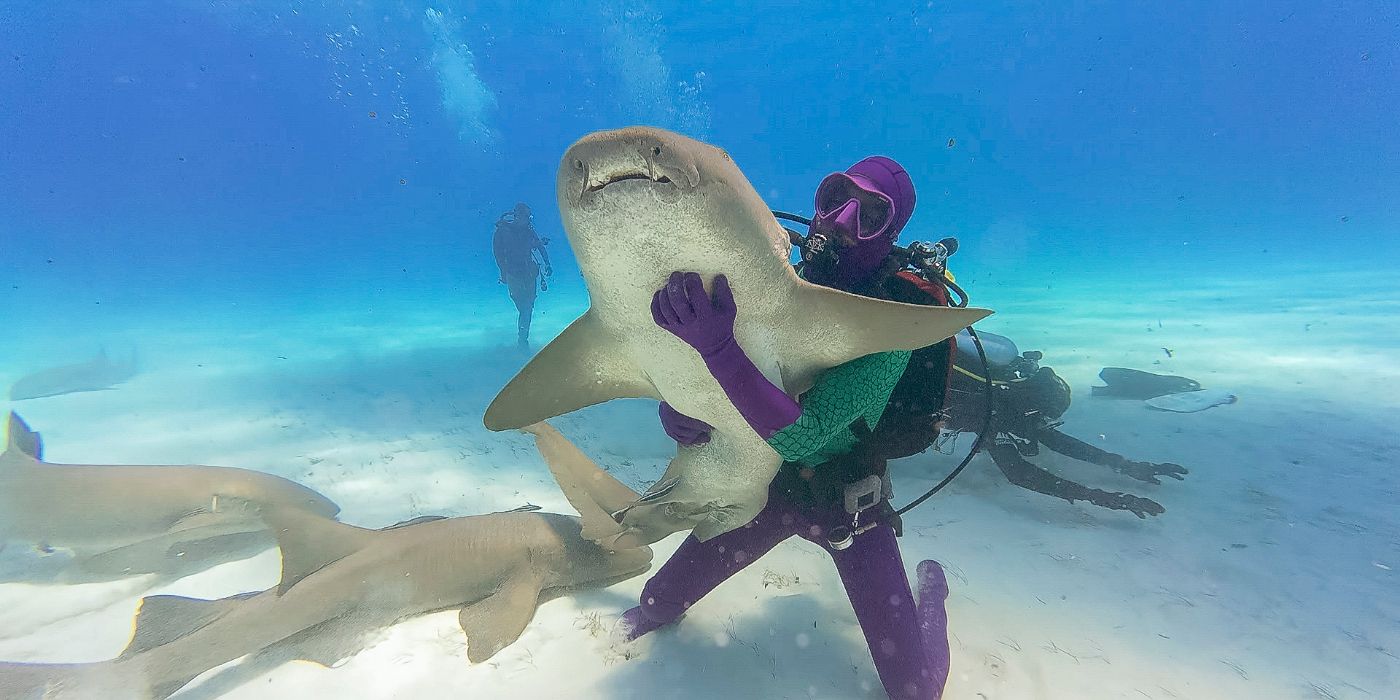
If you look at any fantasy or sci-fi film, one of the key aspects is how the fictional element has been extrapolated from something we know to be true in our own world. In Star Wars, we know we can build spaceships and planes, so space travel is a leap that can be easily understood by the viewer. In Megalodon: The Monster Shark Lives, they need to make the audience believe that, somehow, a megalodon shark could exist in today’s oceans without being known to humanity.
The Discovery mockumentary attempts to do this via numerous sources, from Polynesian myths to real facts about creatures that were thought to be extinct and have since been rediscovered, which is known as “Lazarus Taxon.” We also get the classic statistic that almost everyone knows, which is that “only 5% of the ocean” has been explored. However, it is simply impossible to believe while watching because these factoids are repeated so constantly that they never build on one another, but feel like someone who is trying too hard to convince us.
‘Megalodon: The Monster Shark Lives’ Caused a Stir When It Was Released
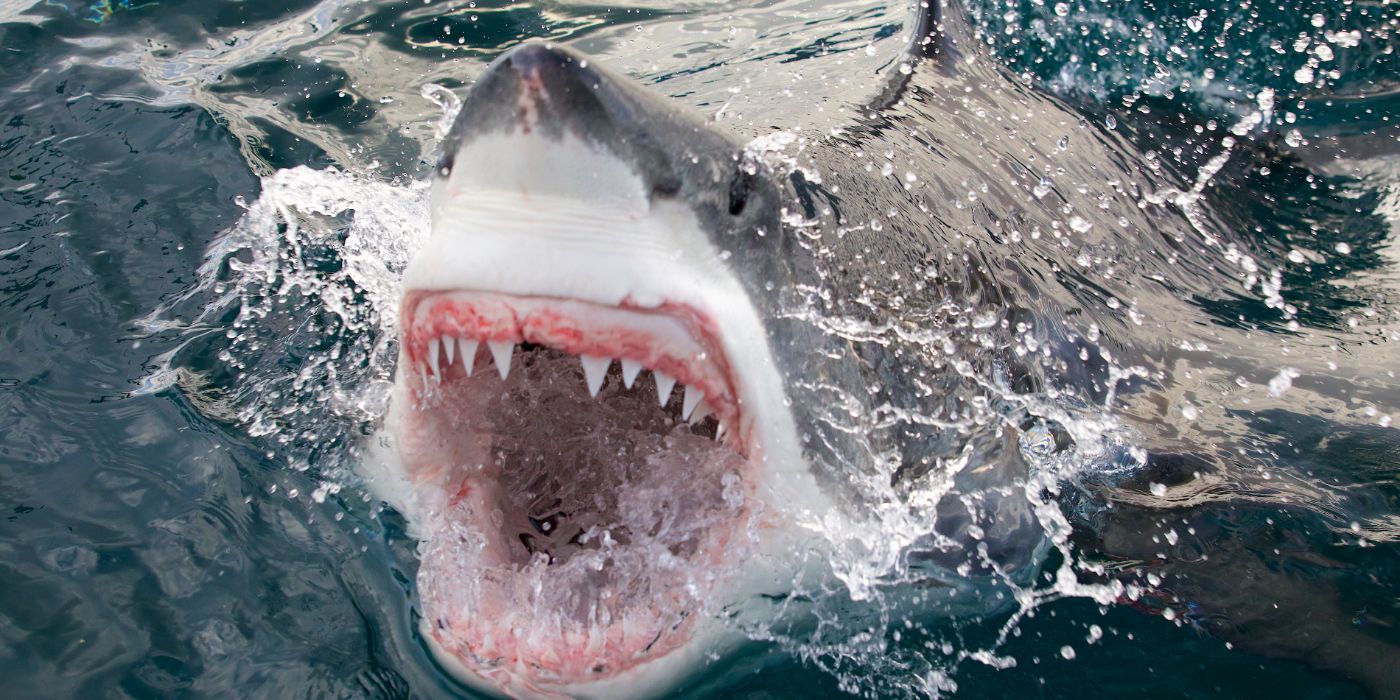
You’d think that if something like this were released today, it would be clear that it was not to be taken seriously. However, this wasn’t the case in 2013 because of how Discovery was perceived. As a channel mostly dedicated to challenging people to “explore your world,” there was a feeling of betrayal that they had decided to produce something that wasn’t based on the relationship of trust they had built up. Furthermore, it felt desperate. With an audience of4.8 million viewers, it was the most-viewed part of Discovery’s programming in 26 years of Shark Week content at a time when ratings were only declining.
Even though it succeeded in bringing in an audience, this perhaps alienated the core viewers who would be the ones to stick around after the hype for The Monster Shark Lives died down, as it is doubtful the shoddy mockumentary convinced people to stay on a channel within which this style of media was not its regular cup of tea. This wasn’t the first time that the Discovery Channel threw fiction at its audience about a mythical creature who could be real. The channel Animal Planet produced both Mermaids: The Body Found and Mermaids: The New Evidence in 2012 and 2013, and it certainly left a sour taste.
Perhaps if there had been a simple disclaimer at the beginning of The Monster Shark Lives, there would have been a retained bond of trust between the audience and the studio. Maybe if the fictional documentary had leaned more into comedy than horror, as most mockumentaries tend to, people would have felt silly getting angry over something based on having a bit of light-hearted fun, rather than the perhaps more sinister intention to scare people.
We will simply never know, as mistakes have been made, and now we must live with a piece of media that is confusing in both its tone and credibility, as even the attempts to rationalize the premise feel flimsy. It may be an ironically funny watch now, but it makes sense why this was such a storm when it was released.
Megaladon: The Monster Shark Livesis now streaming on Discovery.
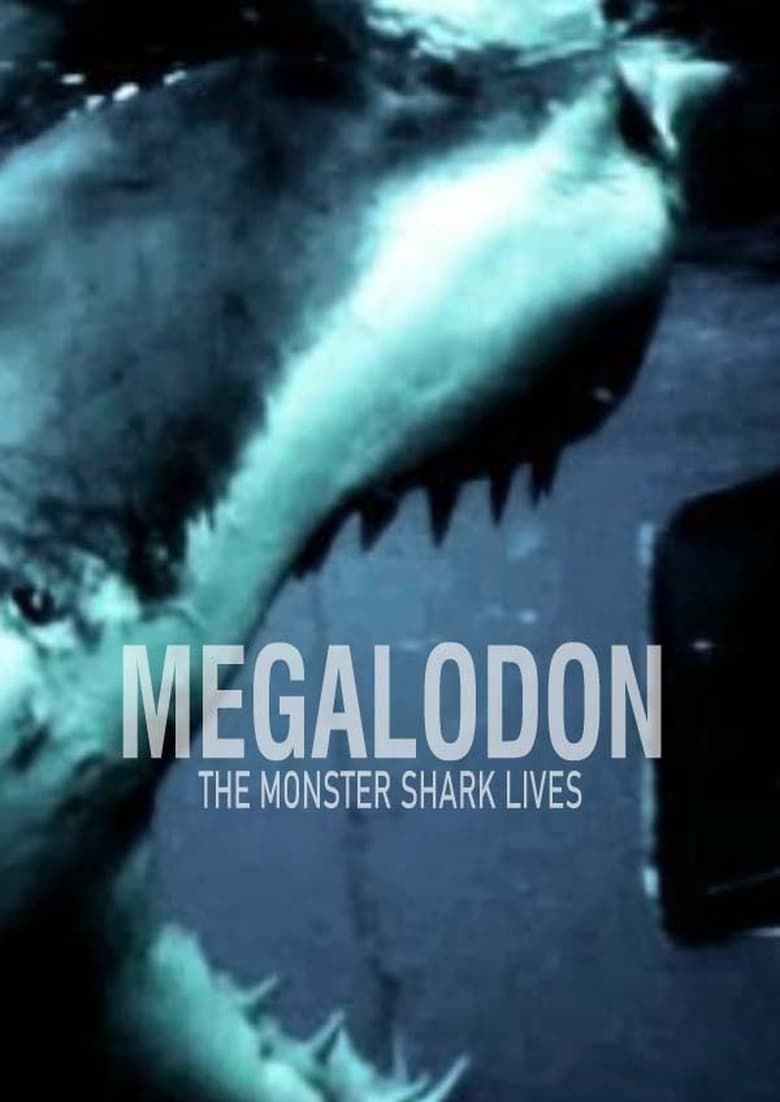
Megalodon: The Monster Shark Lives
- Release Date
-
August 4, 2013
- Runtime
-
83 minutes
- Director
-
Doug Glover
Cast
-

-
Juliana Venter
Madelyn Joubert
-
Clayton Evertson
Fisherman
-
Jeremeo Le Cordeur
Hawaiian Boy