The Twilight Zone is full of memorable and scary episodes, but there’s one episode that is so upsetting that I haven’t been able to watch it again. The Twilight Zone is widely regarded as one of the best TV shows of all time and one of the most influential ones as well, thanks to its mix of sci-fi, fantasy, and horror.
Created by Rod Serling, The Twilight Zone premiered on CBS in 1959. Its popularity and success allowed it to run for a total of five seasons, ending in 1964. However, the show has been revived three times – in 1985, 2002, and 2019 – though not with the same success and impact as the original show.
Related
All 5 Seasons Of The Twilight Zone, Ranked Worst To Best
While this classic anthology series was an iconic show for five seasons, some seasons failed to sustain the charm the show is celebrated for.
The Twilight Zone has many iconic episodes and others not so much, but it’s known for its shocking endings and twists, some more disturbing than others. Season 5 of The Twilight Zone has some of the most famous and iconic episodes of the franchise, as well as one that’s so upsetting, I haven’t watched it more than once.
“Night Call” Is One Of The Twilight Zone’s Saddest Episodes Ever
“Night Call” Is The 19th Episode In The Twilight Zone Season 5
The Twilight Zone’s season 5 is home to famous episodes like “Nightmare at 20,000 Feet” and “Living Doll”, though also some not very popular ones, like “A Kind of a Stopwatch.” Season 5 also happens to have one of the most upsetting episodes of the show, which is scary in a different way, but most of all, it’s emotionally painful.
The episode is “Night Call”, directed by Jacques Tourneur and based on Richard Matheson’s short story “Sorry, Right Number”, published in Beyond Fantasy Fiction in 1953. “Night Call” centers on Elva Keene (Gladys Cooper), an old woman living in a tiny rural community in Maine. Miss Keene is paraplegic and has a daily routine that doesn’t change.
“Sorry, Right Number” was retitled “Long Distance Call” when the story was anthologized, but had to change its title when adapted to a Twilight Zone episode, as there was already an episode titled like Matheson’s story.
Miss Keene is looked after by her caretaker, Margaret (Nora Marlowe), who leaves every night and returns every morning. One night, during a storm, Miss Keene receives a call, but she only hears static. The following day, she receives another call at night, but this time, she hears a man moaning. The following night, the man repeatedly says “hello?”
Next, the man says “Hello? Where are you? I want to talk to you”, which further terrifies Miss Keene, who demands that he leave her alone. Miss Keene later learns from the phone company that the calls come from a telephone line that fell in a cemetery, and she asks Margaret to drive her there. Miss Keene finds that the line fell on the grave of her late fiancé, Brian Douglas.
Miss Keene tells Margaret that she always insisted on having her own way, and Brian always did what she said. A week before their wedding, she insisted on driving, but she lost control and they crashed. The accident left Miss Keene paraplegic, but Brian was killed. Hoping to talk to Brian again and not be lonely anymore, Miss Keene takes the phone again that night.
Miss Keene went from being lonely to being scared and then having some hope, only to be left lonely and heartbroken again by her own actions.
However, as she had previously told him to leave her alone, and he always did what she wanted, he was leaving her alone for good. Miss Keene went from being lonely to being scared and then having some hope, only to be left lonely and heartbroken again by her own actions, even though she acted out of fear.
The Horror Of “Night Call” Is Much More Emotional Than Scary
“Night Call” Is A Type Of Horror Different From What The Twilight Zone Usually Did
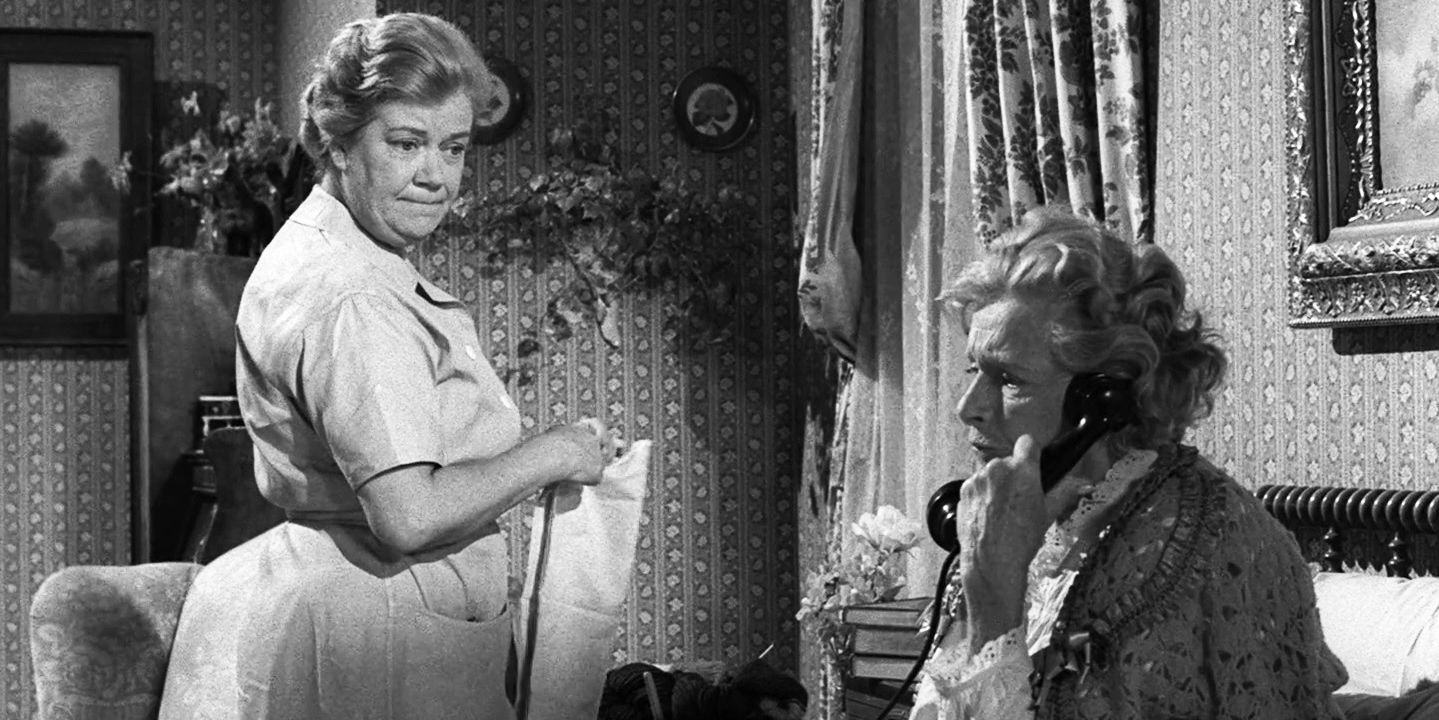
“Night Call” often escapes the lists of best Twilight Zone episodes, but that doesn’t make it any less upsetting and heartbreaking. The scare factor of “Night Call” is more emotional than supernatural or horrifying, as it’s all rooted in Miss Keene’s trauma and loneliness.
Miss Keene felt guilty about Brian’s death, and being paraplegic was a constant reminder of what she did. Although she had Margaret around to help her and keep her company, Miss Keene was a lonely woman, and she was understandably scared when she started getting those weird and disturbing phone calls. However, there’s also the pain in the caller’s voice.
Once the caller’s identity is revealed, the pain in his voice is even more evident and worse.
At first, it’s hard to know if Miss Keene is being pranked or if there’s something supernatural behind the calls, especially as the caller repeats the same things over and over. Once the caller’s identity is revealed, the pain in his voice is even more evident and worse, as the audience now knows that it’s a young man who died too soon.
Although it’s understandable that Miss Keene demanded to be left alone, that makes the second loss of her fiancé even more heartbreaking, as both losses were her fault. The ending of “Night Call” is tragic and heartbreaking rather than scary, and Miss Keene now had even more guilt after losing her fiancé all over again.
The Original Story’s Ending Is Even More Bleak Than The Twilight Zone’s Episode
The Twilight Zone Made It More Emotional
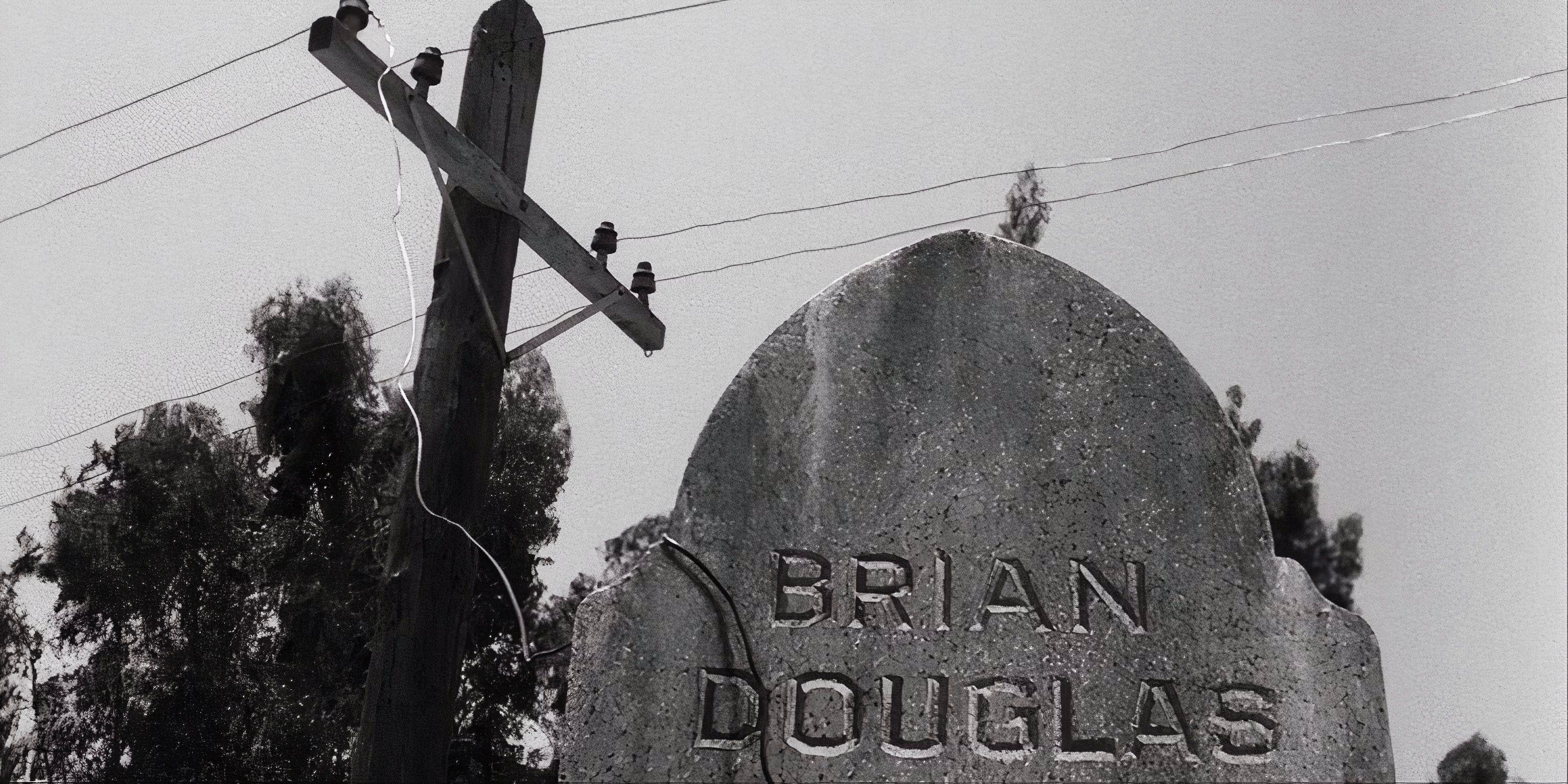
The Twilight Zone’s “Night Call” has a heartbreaking and upsetting ending, but it’s different from the one of the original story. In the source material, the caller is never identified, but they gradually improve in cognition and speech, so much so that, after the reveal of the call coming from the cemetery, they call again and say “Hello, Mrs. Keene. I’ll be right over.”
Related
The Twilight Zone’s 10 Most Disturbing Episodes
The most disturbing episodes of The Twilight Zone are still frightening today, decades after Rod Serling’s anthology aired these uncomfortable tales.
The original ending would have taken “Night Call” in a more horror-oriented direction, and it wouldn’t have had the same impact as its emotional and tragic ending. The Twilight Zone made wise changes to Matheson’s story, resulting in an upsetting episode that’s hard to watch again.
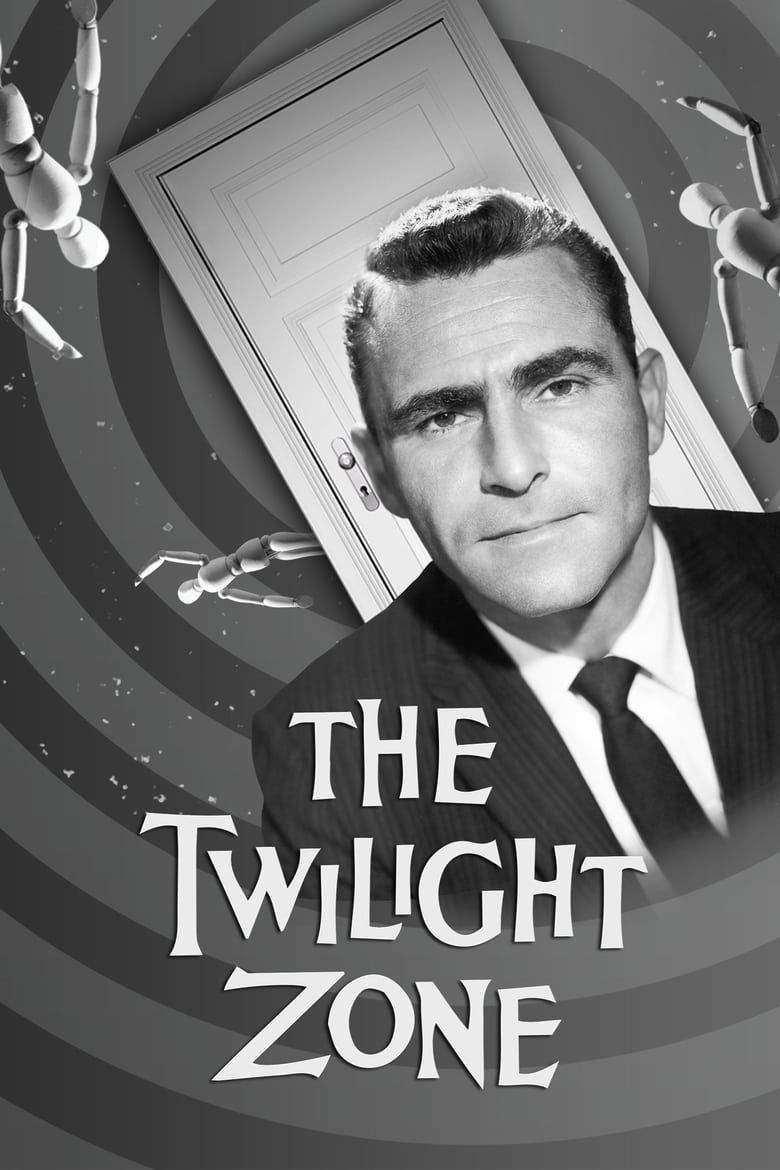
The Twilight Zone

10/10
- Release Date
-
1959 – 1964
- Showrunner
-
Rod Serling
- Directors
-
John Brahm, Buzz Kulik, Douglas Heyes, Lamont Johnson, Richard L. Bare, James Sheldon, Richard Donner, Don Medford, Montgomery Pittman, Abner Biberman, Alan Crosland, Jr., Alvin Ganzer, Elliot Silverstein, Jack Smight, Joseph M. Newman, Ted Post, William Claxton, Jus Addiss, Mitchell Leisen, Perry Lafferty, Robert Florey, Robert Parrish, Ron Winston, Stuart Rosenberg
- Writers
-
Charles Beaumont, Richard Matheson, Earl Hamner, Jr., George Clayton Johnson, Jerry Sohl, Henry Slesar, Martin Goldsmith, Anthony Wilson, Bernard C. Schoenfeld, Bill Idelson, E. Jack Neuman, Jerome Bixby, Jerry McNeely, John Collier, John Furia, Jr., John Tomerlin, Lucille Fletcher, Ray Bradbury, Reginald Rose, Sam Rolfe, Adele T. Strassfield