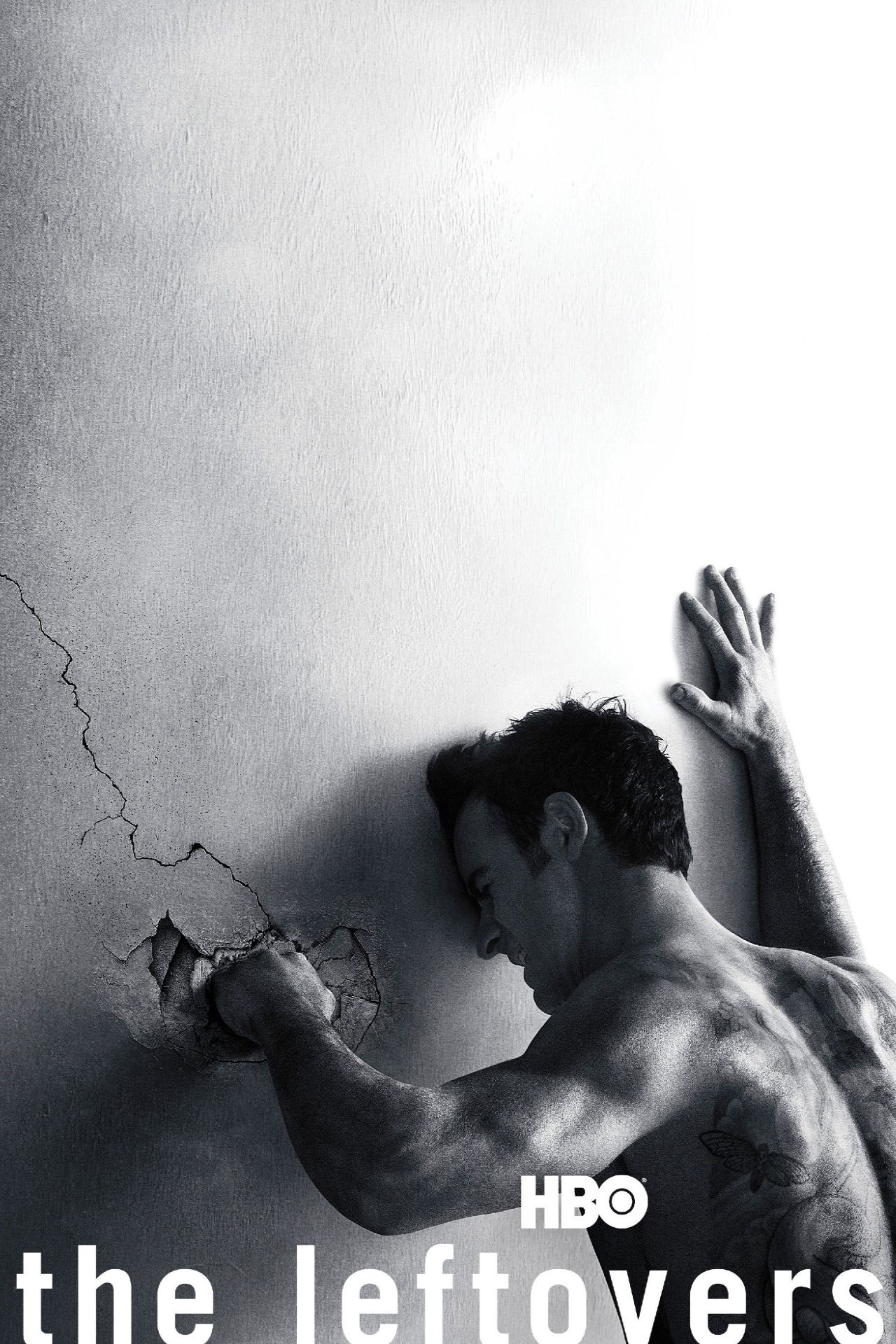
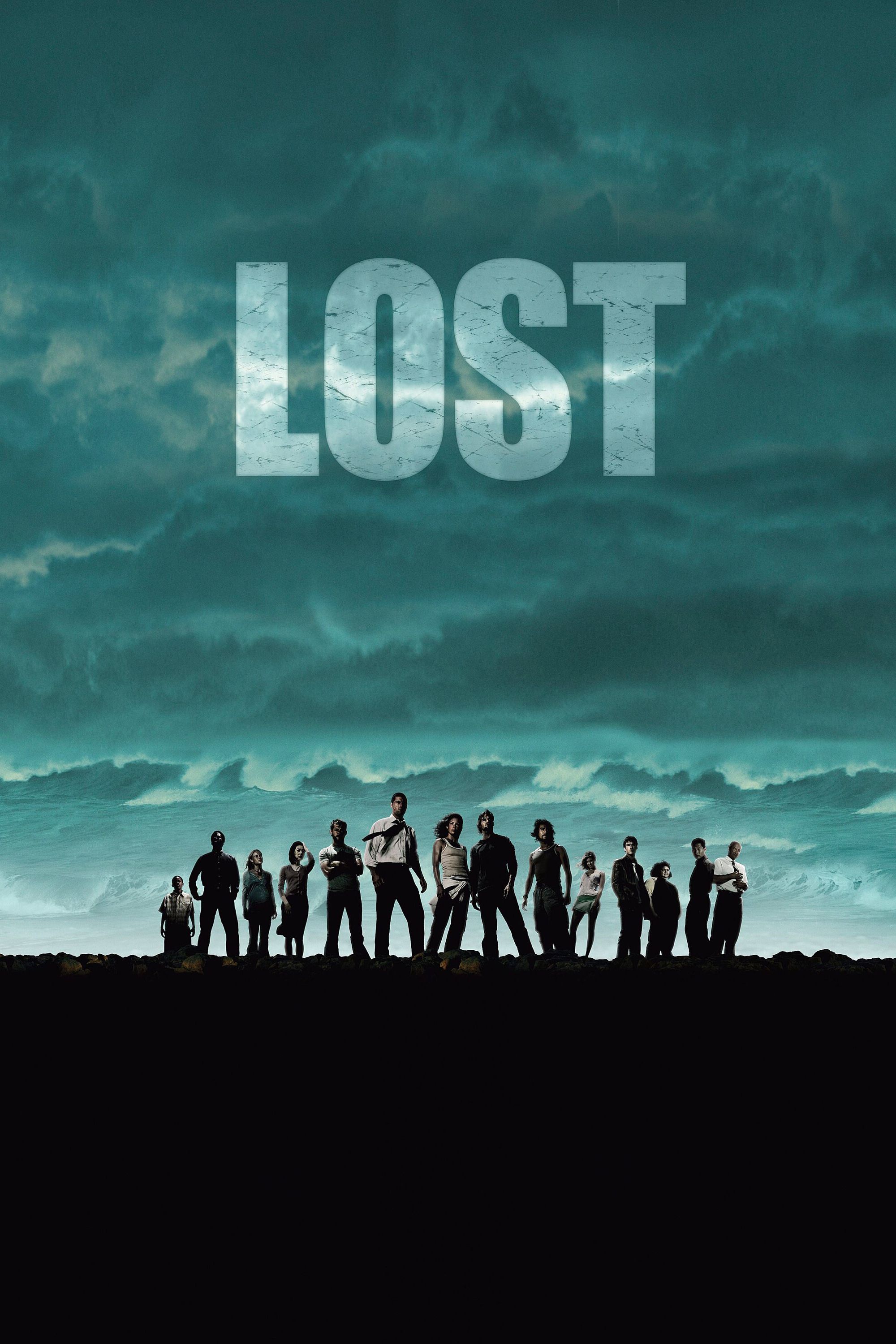
When The Leftovers premiered on HBO in 2014, it felt like a natural evolution of Lost. That’s no coincidence – the mind behind both shows is Damon Lindelof, whose work on Lost changed the way audiences engaged with serialized television. While Lost famously combined sci-fi mysteries with character-driven storytelling, The Leftovers took that same formula and refined it into something deeper, darker, and more emotionally resonant. Co-created by Lindelof and Tom Perrotta (who also wrote the novel it’s based on), The Leftovers ran for three critically acclaimed seasons before ending on its own terms in 2017.
While Lost may have defined an era of TV and launched a thousand fan theories, The Leftovers arguably perfected the very type of storytelling Lindelof helped pioneer. It’s one of HBO’s most compelling dramas, but it’s also one of the most underrated. Despite its 91% score on Rotten Tomatoes and the high praise it continues to receive, it never reached the cultural heights of Lost. Still, for fans of Lost looking for a similar – and arguably better – experience, The Leftovers is the show they’ve been missing out on.
The Leftovers Is A Spiritual Successor To Lost From Damon Lindelof
The Emotional Weight And Mystery Of Lost Gets Pushed It Into Profounder Territory
The Leftovers begins with a global event called the “Sudden Departure,” in which 2% of the world’s population vanishes without explanation. Unlike Lost, which leaned into its island-based survival plot and sprawling mythos, The Leftovers focuses on how people live with unanswered questions – not just what happened, but how to keep going when there may never be an answer. The series follows Kevin Garvey (Justin Theroux), a small-town police chief dealing with personal unraveling and community breakdown in the wake of the disappearance.
The Leftovers dives deeper into existential despair and hope.
Tonally, The Leftovers feels like the natural continuation of Lost. Both shows explore grief, faith, and human connection, but The Leftovers does so in a more meditative, grounded way. The spiritual themes Lindelof began in Lost – particularly in its later seasons – are fully realized here. There’s an ongoing exploration of belief versus skepticism, much like the dynamic between Jack (Matthew Fox) and Locke (Terry O’Quinn) in Lost, but The Leftovers dives deeper into existential despair and hope.
Related
The Leftovers Cast & Character Guide
From Christopher Eccelstone to Liv Tyler, The Leftovers was a show that had had some talented stars. But who else was part of roster?
Stylistically, the shows share haunting music (with The Leftovers score by Max Richter being particularly powerful), complex nonlinear storytelling, and ensemble casts grappling with moral ambiguity. Characters in the cast of The Leftovers like Nora Durst (Carrie Coon), Matt Jamison (Christopher Eccleston), and Laurie Garvey (Amy Brenneman) each offer different lenses through which viewers examine suffering and belief, just like the varied perspectives offered in Lost.
Damon Lindelof brought his storytelling evolution full circle with The Leftovers, creating a spiritual companion to Lost that trades mystery boxes for emotional devastation. While the mysteries remain, they’re not the point – the people are.
The Leftovers Does A Lot Of Things Better Than Lost, Including The Ending
The Leftovers Succeeds Where Lost Stumbled, Especially When It Comes To Closure
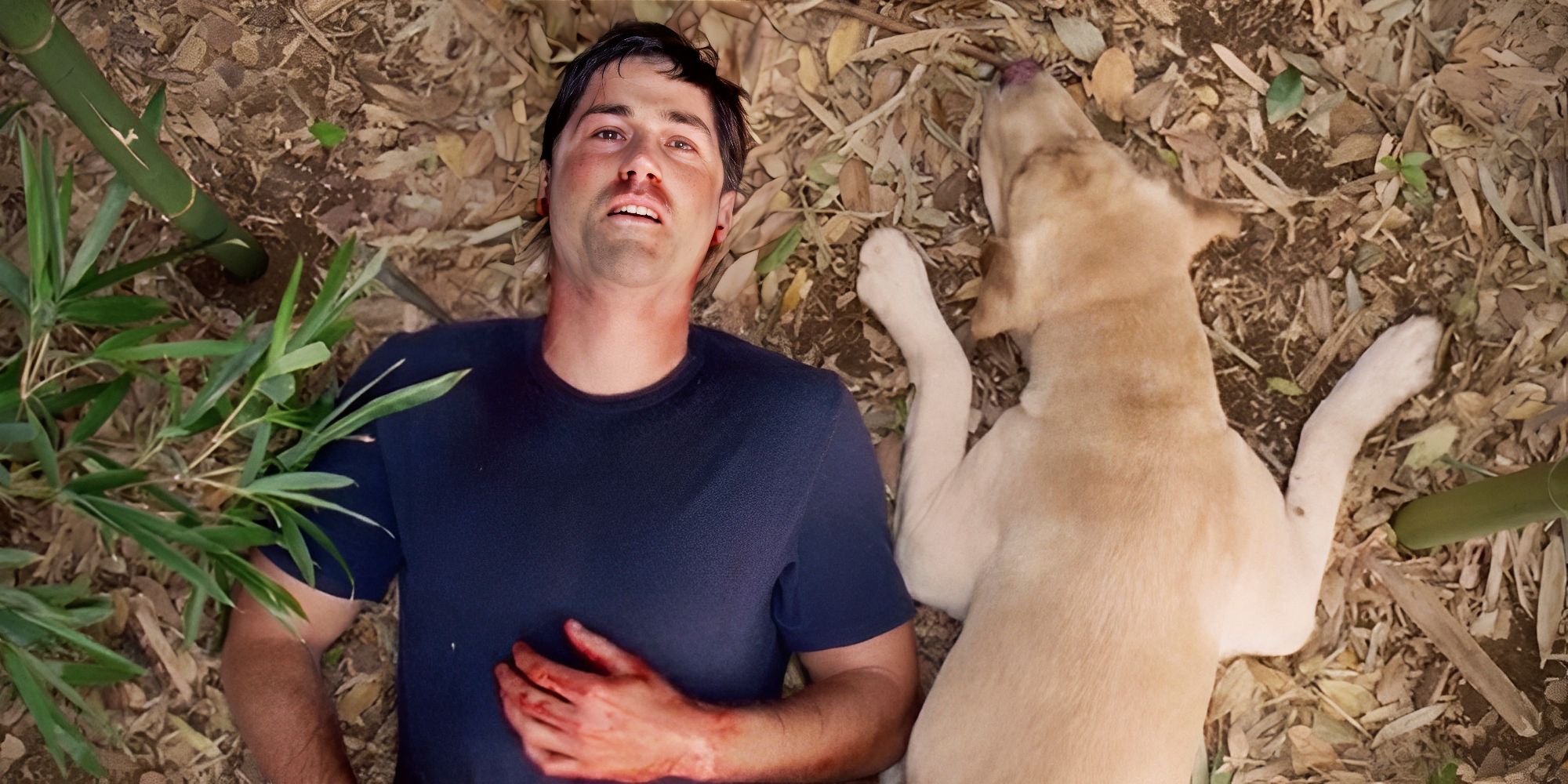
The ending of Lost remains one of the most divisive in television history. While many praised its emotional impact, others criticized it for unresolved plotlines and ambiguous explanations. The Leftovers, on the other hand, delivered one of the most satisfying conclusions to a TV series ever – and it did so without betraying the mystery or emotional journey at its heart.
Lindelof himself acknowledged the criticisms of Lost’s finale, and he clearly applied what he learned when crafting the end of The Leftovers. The series finale, “The Book of Nora,” doesn’t tie every loose end, but it delivers emotional clarity and thematic resolution. It honors the ambiguity of the series while giving its characters – and the audience – a moment of genuine catharsis. Nora’s final story, in particular, is a masterclass in storytelling restraint and emotional power.
Beyond the ending, The Leftovers outpaces Lost in how it uses surrealism, symbolism, and character introspection. Lost sometimes buckled under the weight of its own mythology, but The Leftovers embraces its mysteries as metaphors. It’s not about explaining the Sudden Departure – it’s about what it means to live in a world where such things can happen.
Character arcs are also more cohesive in The Leftovers. Kevin’s psychological descent and rebirth, Nora’s search for meaning, and even side characters like Patti Levin (Ann Dowd) or Holy Wayne (Paterson Joseph) feel essential and well-developed. Unlike Lost, where characters were sometimes lost in the shuffle of a massive ensemble and convoluted twists, The Leftovers keeps its cast focused and its arcs tight. While Lost broke ground, The Leftovers perfected the art of emotionally intelligent mystery storytelling – and ended on a high note few shows ever reach.
The Leftovers Was Not As Big As Lost, But It May Be The Better Show
Lost’s Successor Didn’t Dominate Pop Culture, But Its Brilliance Is Undeniable
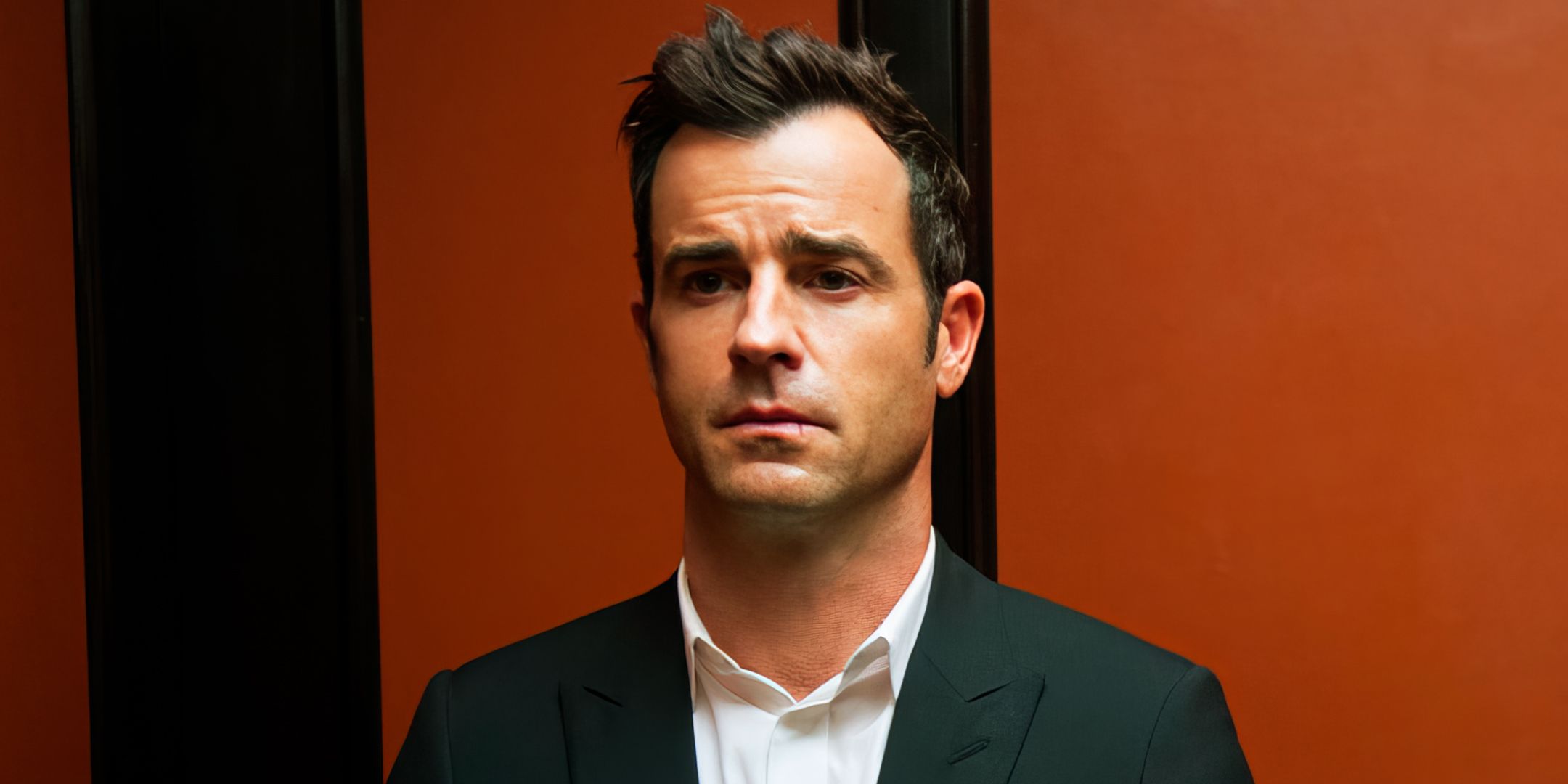
There’s no denying that Lost was a phenomenon. When it premiered on ABC in 2004, it revolutionized serialized TV and became a global watercooler hit. From its polar bears and smoke monsters to its mysterious numbers and Dharma Initiative, Lost was the show everyone was talking about. The Leftovers, by contrast, flew well below the mainstream radar. Despite airing on HBO and being critically adored, it never captured the zeitgeist the way Lost did.
However, in many ways, The Leftovers is the better show. Its 91% Rotten Tomatoes score reflects the critical consensus, but its limited popularity suggests it never quite found the wide audience it deserved. This is particularly surprising given the pedigree involved – not just Lindelof, but powerhouse performances from Justin Theroux, Carrie Coon, and others, as well as beautifully directed episodes and a haunting score.
Perhaps The Leftovers was too bleak, too intimate, or too abstract for mass consumption. However, that’s also what makes it brilliant. It dared to sit in discomfort and ambiguity without needing to wow audiences with constant twists. Its storytelling was brave, personal, and often gut-wrenching. Unlike Lost, which occasionally veered into spectacle over substance, The Leftovers kept its focus razor-sharp. It’s time to stop calling The Leftovers underrated and start calling it what it is: one of the best television dramas of the modern era, possibly even better than the show that made Damon Lindelof a household name in the first place.
-

10/10
- Release Date
-
2014 – 2017-00-00
- Showrunner
-
Damon Lindelof
- Writers
-
Damon Lindelof, Tom Perrotta
-
9/10
- Release Date
-
2004 – 2010-00-00
- Showrunner
-
Damon Lindelof, Carlton Cuse
- Directors
-
Jack Bender, Stephen Williams